Beyond Metrics: The New Frontier of Wellness and Beauty
For over a decade, wearable technology has been synonymous with tracking; steps counted, calories burned, sleep scored. However, as the category matures, a quiet but significant shift is underway. Today’s most compelling wellness and beauty wearables are no longer focused on data collection. They are designed to deliver outcomes.
From infrared facial masks promising clearer skin to sensory sleep tools engineered for restoration, a new generation of products is redefining what it means to “wear” wellness. These devices don’t just observe the body, they actively support it. For designers, this evolution opens a new frontier: creating products that merge performance, comfort, and emotional experience into something people will not only use but trust.
At Interwoven Design, we operate at the intersection of soft goods, sensory experience, and performance-driven product design. Our team brings together expertise in textiles, human factors, and material innovation to create wearable solutions that integrate seamlessly into daily life. Whether developing next-generation beauty tools or sleep-enhancing products, our work is grounded in designing objects that feel intuitive, comfortable, and inherently beneficial to the user.
In this Insight article, we explore the rapid expansion of wellness and beauty wearables, what distinguishes this category from traditional performance-based devices, and how design can elevate passive products into meaningful daily rituals. We also share a conceptual case study that reimagines a familiar object, the sleep mask, as a multi-sensory therapeutic experience.
From Quantification to Transformation
Early wearables succeeded by making the invisible visible. Metrics became motivation. But over time, saturation and fatigue set in. Users began asking a more fundamental question: What is all this data actually doing for me?
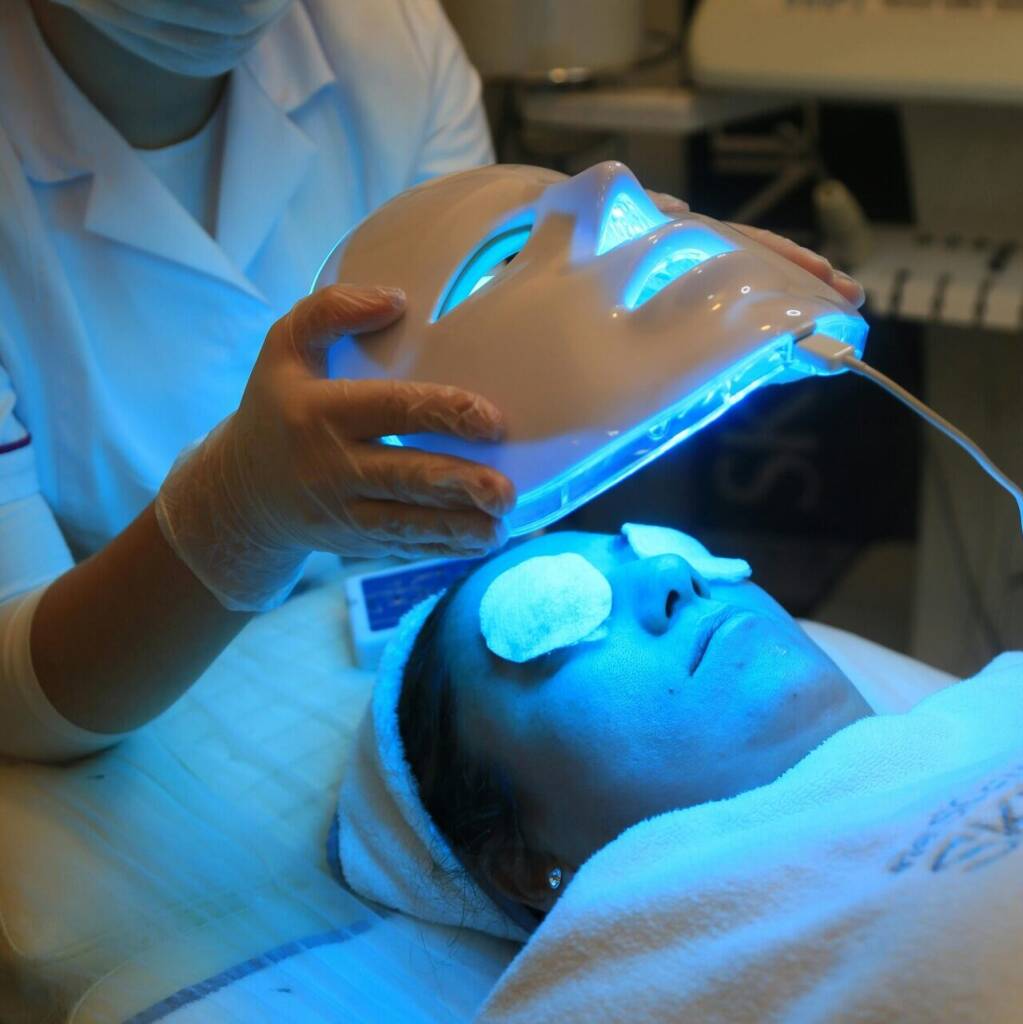
The next wave of products answers that question directly. Rather than interpreting information, these products are designed to intervene directly in the body’s natural processes, delivering benefits through continuous, often passive interaction. They can improve skin tone and texture through targeted light therapy, support hair growth with precise stimulation, enhance sleep quality by carefully controlling sensory inputs like light and sound, and reduce stress through tactile feedback or environmental modulation. In each case, the emphasis shifts from observation to action, allowing the product to play an active role in improving well-being rather than merely reporting on it.
This approach marks a shift from quantified self to augmented self, and it fundamentally changes how products must be designed. In the quantified era, value was delivered through information: dashboards, metrics, and feedback loops that relied on user interpretation and behavior change. The burden was on the user to translate insight into action. In contrast, augmented products are designed to act on the body directly, reducing friction between intention and outcome.
For designers, this means moving beyond interface-driven thinking toward experience-driven performance. Success is no longer defined by clarity of data visualization, but by the consistency and quality of the outcome itself: clearer skin, deeper sleep, reduced tension. This requires a deeper integration of material science, ergonomics, and physiology, where form is not just about usability, but about enabling sustained, passive benefit over time.
Designing for Passive Benefit
Unlike performance wearables, benefit-driven devices succeed when they disappear into routine. They must function seamlessly within moments of rest, recovery, or self-care. This introduces a unique set of design challenges:
1. Comfort Is Core Functionality
If a product is worn during sleep or relaxation, discomfort isn’t just a flaw, it’s failure. Materials, weight distribution, and thermal regulation become primary design drivers, not secondary considerations.
2. Sensory Design Becomes Critical
These products operate in low-stimulus environments where every sensory detail is amplified, requiring light, sound, and touch to be carefully calibrated. Excessive pressure can disrupt rest and undermine comfort, while too little feedback may diminish the user’s perception of effectiveness. Even material choices play a critical role, as the wrong texture can break the experience entirely, shifting the product from something that soothes to something that distracts.
3. Trust Through Subtlety
Unlike fitness trackers, where feedback is immediate and quantifiable, the benefits of these products are often gradual and less directly measurable. As a result, design must work harder to communicate credibility and build trust over time. This is achieved through the careful selection of high-quality materials, a level of form precision that signals intentionality and performance, and a brand language that strikes a balance between scientific rigor and a sense of calm, reinforcing both efficacy and emotional reassurance.
4. Aesthetic Integration
These objects live in intimate spaces like bedrooms and bathrooms. They must feel less like devices and more like extensions of lifestyle.
The Convergence of Beauty, Wellness, and Soft Goods
Many of the most compelling products in this emerging category exist at the intersection of wearable technology and soft goods. This convergence is not incidental, it reflects a fundamental shift in how wellness is delivered through design. As products move closer to the body and into moments of rest and recovery, rigid, device-driven form factors give way to flexible, textile-based solutions that feel more intuitive and less invasive.
Soft goods play a critical role in establishing immediate comfort and familiarity. Textiles signal comfort, safety, and approachability in a way that traditional hard goods often cannot. They allow products to conform to a wide range of body types and positions, accommodating movement during sleep or relaxation without disrupting the experience. Just as importantly, they introduce an emotional dimension, through softness, drape, and tactility, that aligns closely with the expectations of both wellness and beauty products.
At the same time, the integration of technology elevates these familiar formats into something more purposeful. Features such as light therapy, cooling properties, or acoustic dampening introduce clear functional benefits that go beyond traditional textiles. This fusion enables products to deliver measurable outcomes while maintaining the sensory qualities users associate with comfort and care.
The result is a new product typology: therapeutic wearables that are embedded seamlessly into everyday rituals. These are not devices that demand attention or learning curves, but objects that feel immediately usable and inherently personal. By blending the performance of technology with the intimacy of soft goods, designers can create products that users not only adopt, but incorporate into their daily lives with little resistance.
Designing for Ritual, Not Routine
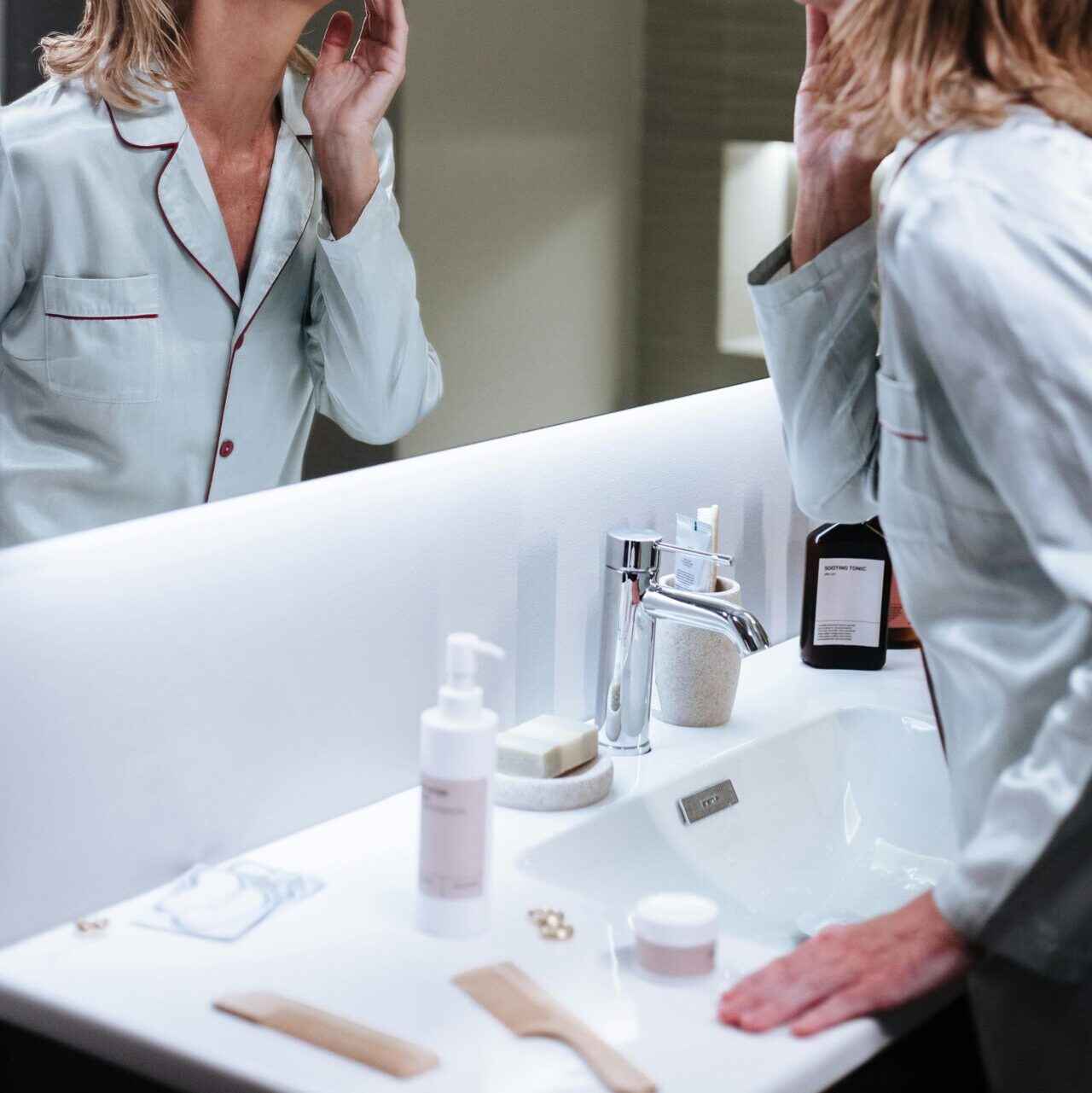
Another defining characteristic of this category is its alignment with personal rituals rather than structured routines. Unlike fitness-oriented products, which are often tied to goals, metrics, and repeated behaviors, wellness and beauty wearables tend to exist within quieter, more intentional moments. These include the transition into sleep, the process of unwinding after a long day, or small acts of self-care that signal a shift from activity to rest.
Designing for these moments requires a fundamentally different approach. Products must feel intuitive and inviting, with minimal setup or cognitive effort. This places a greater emphasis on how a product is introduced into a user’s environment; how it feels in the hand, how naturally it integrates into existing habits, and how effectively it supports a sense of calm without demanding attention.
There is also an emotional dimension that distinguishes ritual-based design. These products often become part of deeply personal behaviors, where consistency is driven not by obligation, but by desire. As a result, aesthetic choices, material quality, and sensory cues take on heightened importance. A product that feels considered, comfortable, and aligned with a user’s lifestyle is far more likely to be adopted over time.
Designing for ritual means prioritizing presence over performance. The goal is not to push users toward optimization, but to support moments of restoration in a way that feels natural and unobtrusive. In this context, success is measured not by frequency of use alone, but by the depth of integration into daily life and the extent to which the product enhances the quality of those moments.
Case Study: Reimagining the Sleep Mask as a Therapeutic Device
As the wellness and beauty wearable space continues to expand, opportunities lie in reframing how we think about value. To explore this category, we developed a conceptual product that elevates a familiar object, the sleep mask, into a multi-sensory wellness tool.
Design Objective
Transform a basic accessory into a performance-driven sleep aid that enhances recovery without introducing complexity.
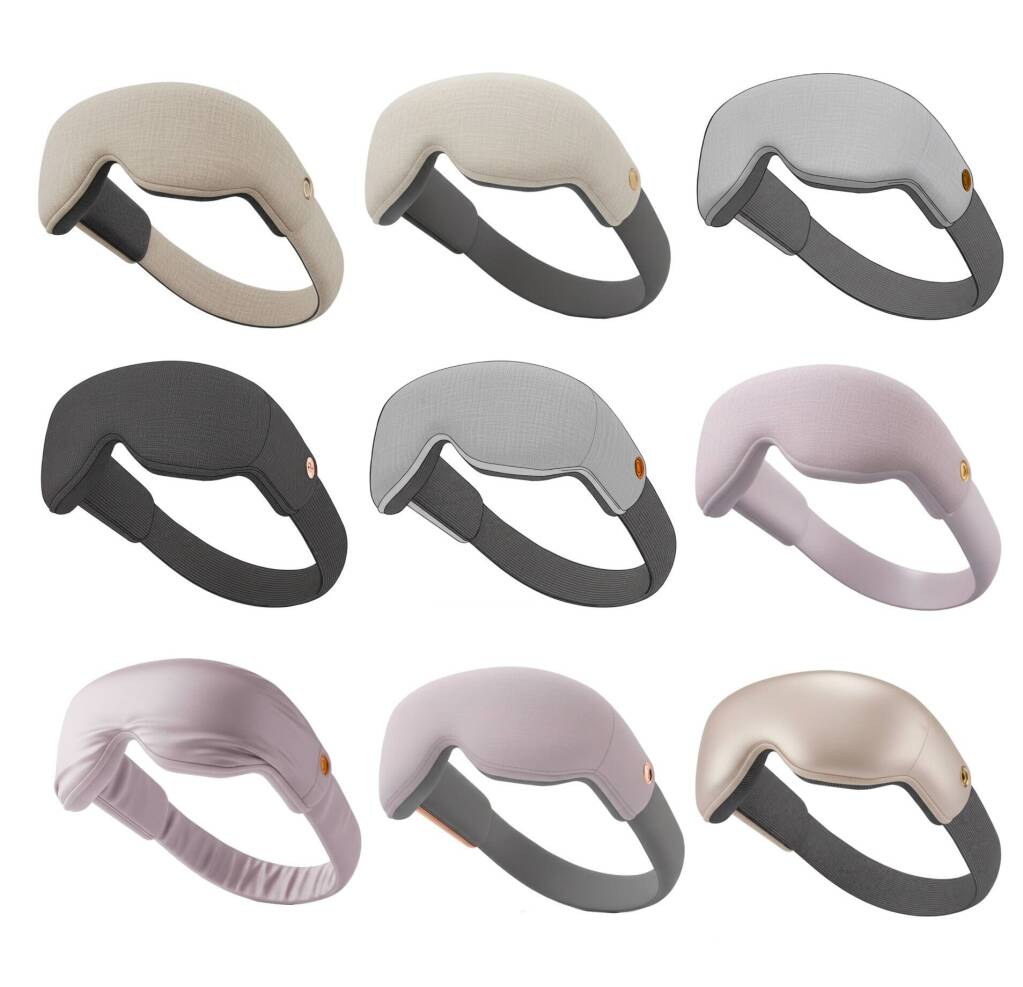
Key Features & Design Considerations
1. Total Light Elimination Without Pressure
A 3D contoured structure ensures complete darkness while maintaining zero contact with the eyelids and lashes.
- Prevents REM disruption
- Eliminates cosmetic friction concerns
- Enhances perceived luxury through spatial design
2. Breathable, Cooling Materials
Material selection prioritizes thermoregulation and skin comfort.
- Silk and modal blends reduce heat retention
- Cooling properties help minimize puffiness and inflammation
- Soft-touch finishes reinforce a calming sensory experience
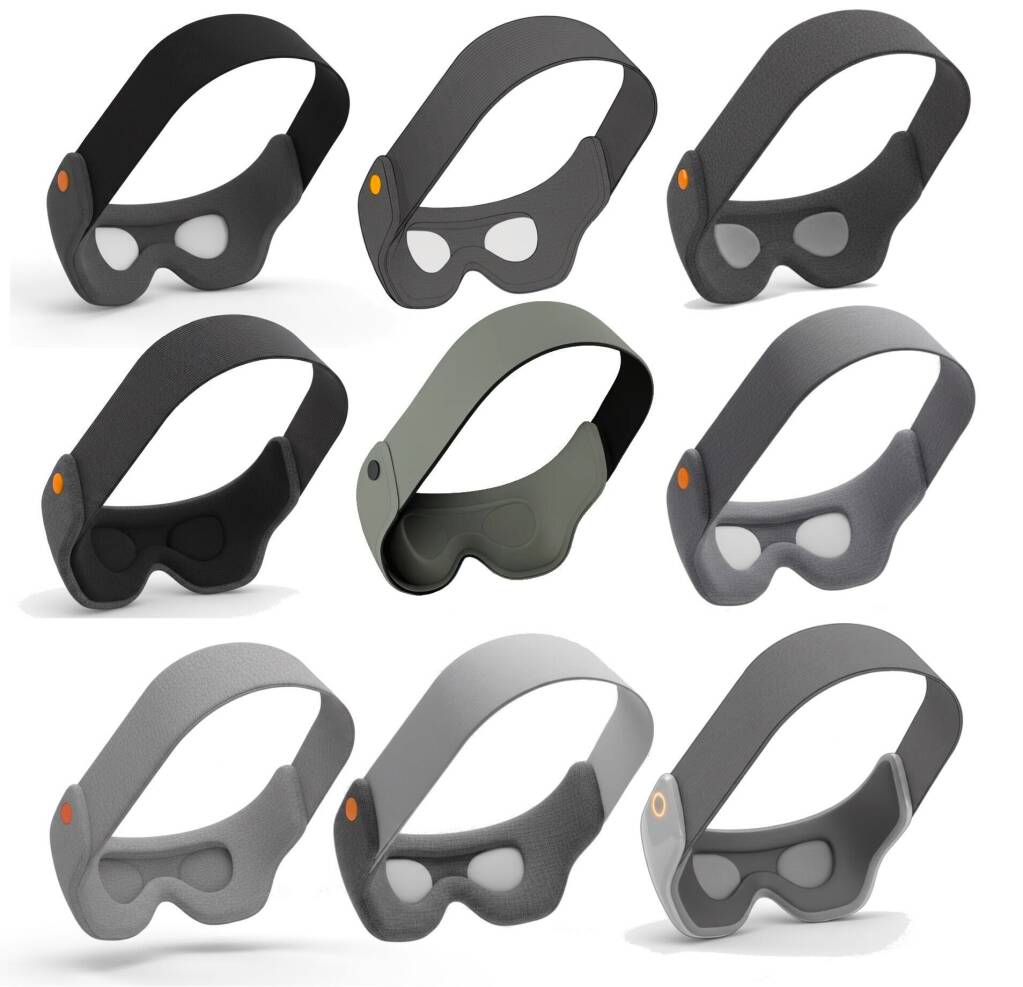
3. Integrated Acoustic Dampening
An over-ear extension introduces subtle sound reduction.
- Soft compression reduces ambient noise without isolation
- Maintains awareness while minimizing disturbance
- Avoids the invasiveness of in-ear solutions
4. Side-Sleeper Optimization
Ultra-thin construction ensures comfort across sleep positions.
- Eliminates pressure points at the temples and ears
- Maintains structural integrity without bulk
- Supports uninterrupted movement throughout the night
The innovation is not in any single feature, but in the integration. By addressing light, sound, temperature, and pressure simultaneously, the product creates a holistic sleep environment, one that works passively, without requiring behavioral change. This reflects a broader truth in wellness design: The most successful products don’t ask users to do more. They do more for the user.
The Future is Personal
The next generation of wellness and beauty wearables will not be defined by dashboards, alerts, or metrics. Instead, their value will be measured by outcomes that are immediately perceptible and deeply personal; more restorative sleep, calmer transitions between states of activity and rest, and visible improvements in skin and hair. These products succeed not by asking for attention, but by earning trust through tangible, consistent results.
For designers, this represents a meaningful shift in perspective. It is an invitation to think beyond interfaces and into experience, where the true measure of success is not what a product shows, but what it changes. This requires a more holistic approach to design, one that considers the full spectrum of interaction: how a product is introduced into a user’s environment, how it feels over extended periods of use, how it responds to the body, and how it supports both physical and emotional well-being without adding friction.
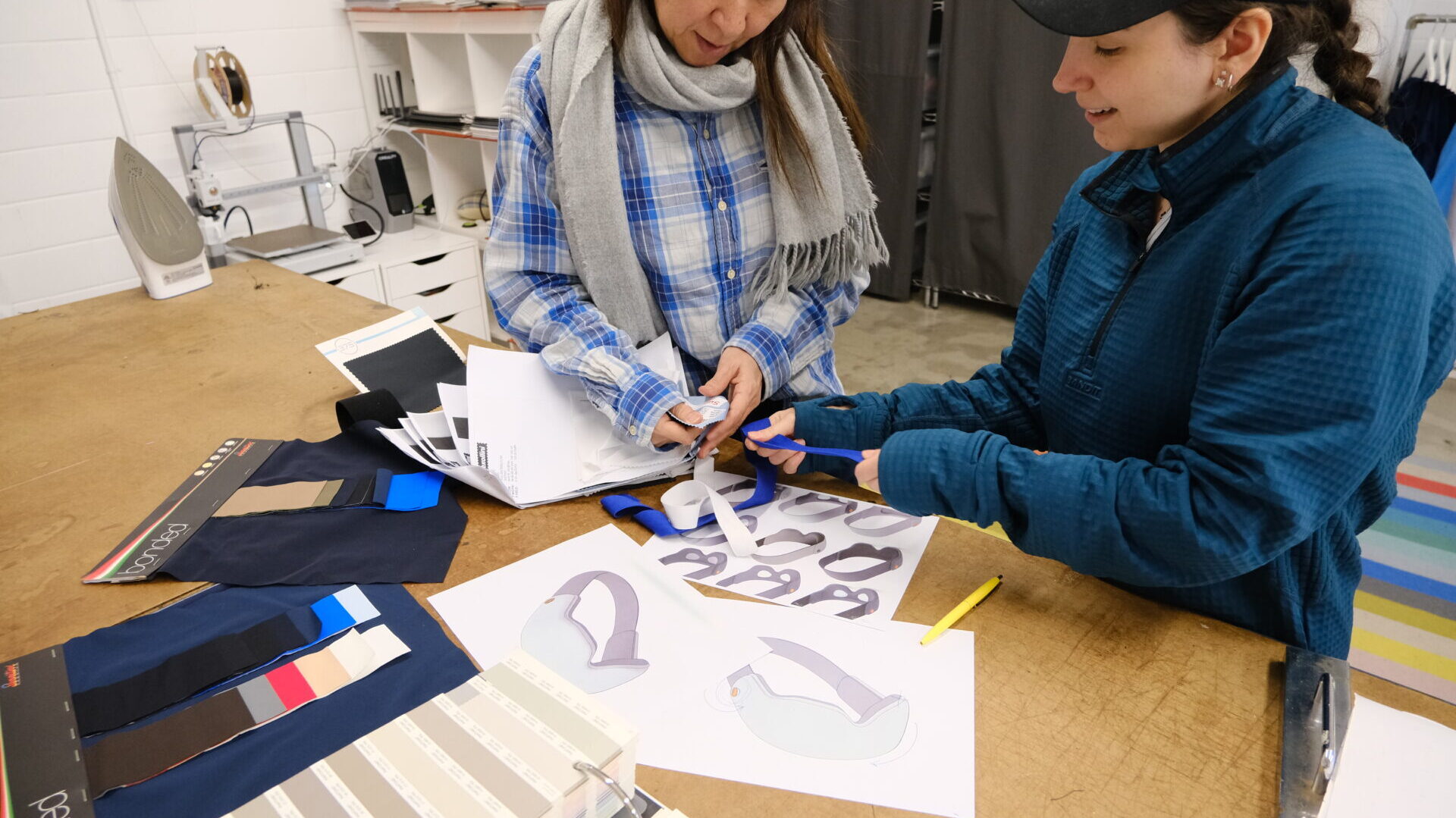
At Interwoven Design, this philosophy shapes how we partner with clients from the earliest stages of development through to final production. Our process begins with a deep understanding of the intended outcome, whether that is improved sleep quality, enhanced skin health, or reduced stress, and translates those goals into design strategies grounded in material science, ergonomics, and human behavior. Rather than starting with technology and searching for an application, we work in the opposite direction, identifying the desired user experience and engineering solutions that deliver it as seamlessly as possible. Ultimately, the future of wellness design lies in this convergence of performance, comfort, and meaning.
Interwoven Design is a design consultancy that is positioned at the intersection of soft goods and wearable technology, creating products that function with the body and offer comfort as well as the superb performance that arises through the innovative incorporation of rigid, often electronic and responsive elements. Sign up for our newsletter and follow us on Instagram and LinkedIn for design news, multi-media recommendations, and to learn more about product design and development!