A Q&A with India Pearlman, Packaging Designer for Beauty and Wellness
Spotlight articles shine a light on designers and engineers we admire, asking leaders in the field about their work and their creative journey. This month’s Spotlight focuses on the world of wellness and beauty through the lens of India Pearlman, a packaging designer whose work sits at the intersection of industrial design, branding, and product experience.
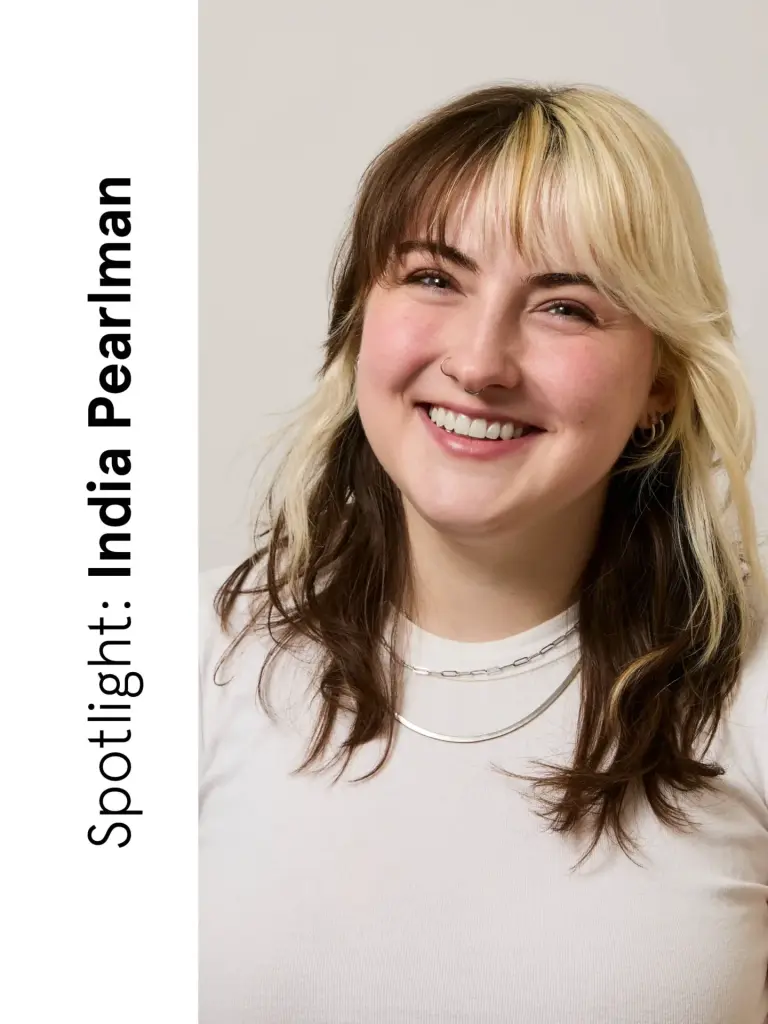
A graduate of Pratt Institute, India brings a distinctly three-dimensional, systems-driven mindset to a field often perceived as purely graphic. Her approach reflects a broader shift in design—where packaging is no longer just a container, but part of a larger ecosystem shaping how products are experienced, displayed, and lived with over time.
We spoke with India about how she found her way into packaging, how industrial design continues to inform her work, and the details she notices that most people miss.
Q:
Can you tell us a bit about your background and what led you into the wellness and beauty space?
A:
I’m a designer based in Queens, currently living in Ridgewood. I graduated from Pratt in 2020 with a degree in industrial design, which was honestly a wild time to enter the workforce. A lot of traditional industrial design roles were hard to find, especially because so much of that work is hands-on.
At the same time, there were a lot of packaging roles opening up. I hadn’t studied packaging in school and wasn’t initially interested in it, but I ended up falling into it because of the timing.
Looking back, it makes sense. My dad works in marketing, and growing up he would show me different pieces of packaging and ask which one I liked more. I think that kind of thinking was always there, even before I realized it.
Q:
Do you specialize in a particular area of packaging?
A:
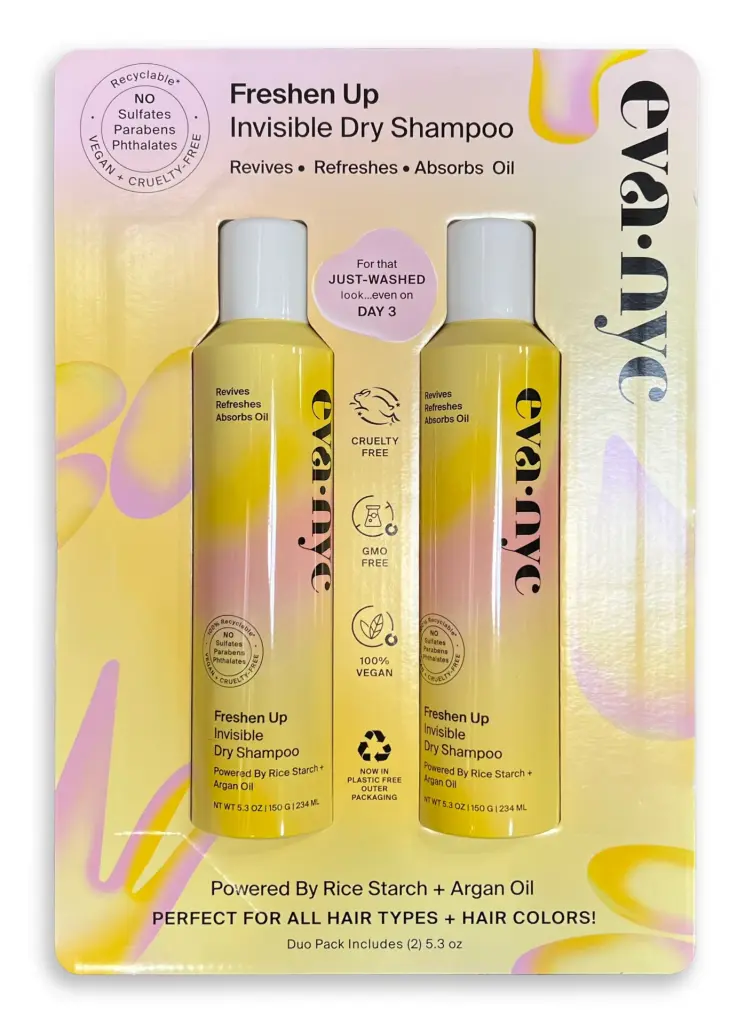
I primarily work in beauty and wellness. I got my start in hair care, and the work tends to involve a mix of stock and custom packaging, with a strong focus on graphics, color, and application.
Q:
Do you think industrial design is becoming broader again as categories like beauty and wellness evolve?
A:
I definitely think so. At first, it felt strange to move from identifying as an industrial designer to working as a packaging designer, but over time I’ve seen how closely those disciplines are connected.
There’s a strong overlap between graphic thinking and the physical object—how something exists in space, how it’s held, how it’s experienced. Packaging and industrial design really do belong to the same world.
Q:
How does your industrial design background show up in your work today?
A:
I still rely on it constantly. Having that three-dimensional understanding has allowed me to go further in my role and take on more than just packaging. I often work on retail displays and spatial elements as well, which are very much rooted in industrial design.
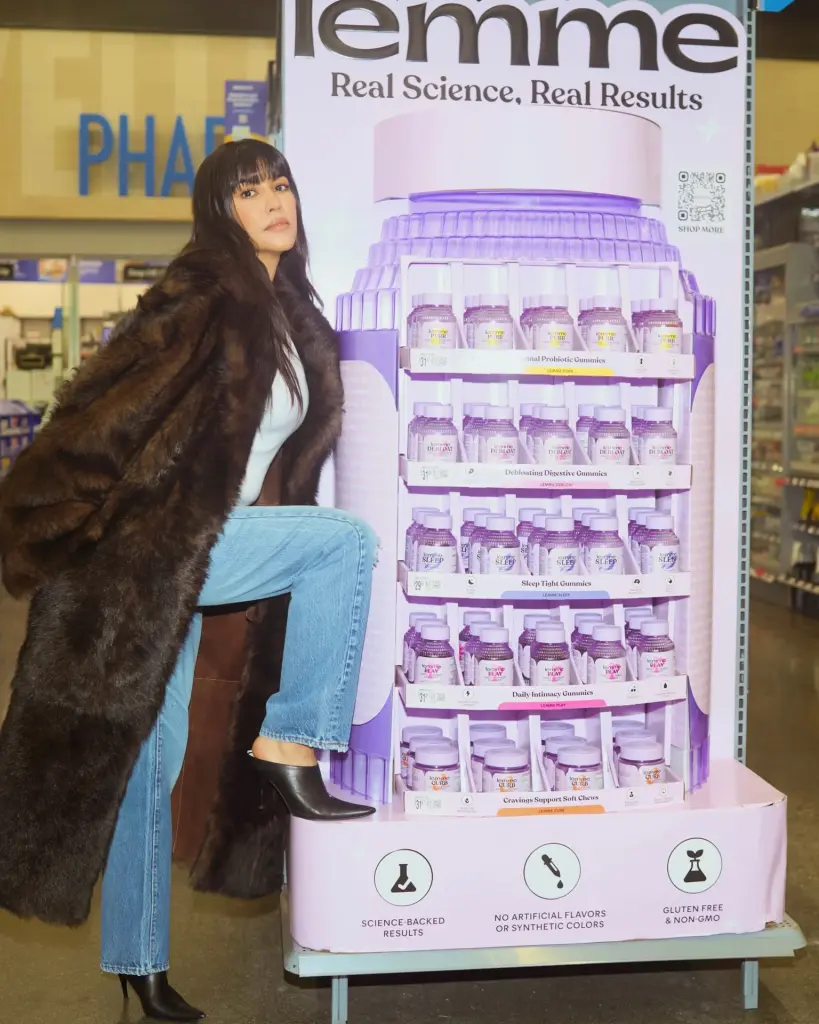
My understanding of materials also helps me collaborate more effectively with other teams. I’m able to bring ideas that are creative but also feasible, and sometimes even anticipate challenges before engineering gets involved. That foundation makes a big difference in how projects move forward.
Q:
What usually comes first for you: visual idea, tactile experience, or story?
A:
I typically work under the brand design team, and branding involves a lot more story-based thinking. I like to start with that because it gives me a direction and purpose. Because I work closely with brand teams, there’s often a strong narrative behind the product, and that gives me direction and purpose.
Packaging design involves a lot more brand thinking. Working within brand guidelines might seem limiting, but I actually find it freeing. It allows me to focus more deeply on the design itself, knowing that I’m working toward a clear and intentional goal.
Q:
Beauty trends move fast. How do you think about what lasts versus what’s fleeting?
A:
It can be tricky. Right now, we’re seeing a lot of minimal, sans-serif typography and simple, blocky forms, and that’s been around for a while.
I look at a lot of references. I scroll through Pinterest, study retail environments, and look at other brands, but I also rely heavily on intuition. One of the biggest considerations for me is how a product will live in someone’s home. Is it something they’ll want to keep and display, or something more temporary?
I also look to interior design trends for inspiration. There’s a movement toward more expressive, colorful spaces, what people call ‘dopamine interiors’, and that’s influencing packaging as well, especially for younger brands.
Q:
What’s a packaging detail most people never notice, but you always do?
A:
I immediately notice when things don’t align across a product line. If packaging isn’t proportionate or the typography shifts from one SKU to another, it really stands out to me.
A lot of my work has focused on refining those details. In one role, I did a full packaging revamp that addressed inconsistencies most people wouldn’t consciously see, but that make a big difference in how cohesive the line feels. I’m always thinking about how everything works together as a system.
Q:
When you’re shopping, are you able to enjoy it? Or are you redesigning everything?
A:
It depends on where I am. In a typical grocery store, I’m definitely redesigning things in my head and questioning a lot of decisions.
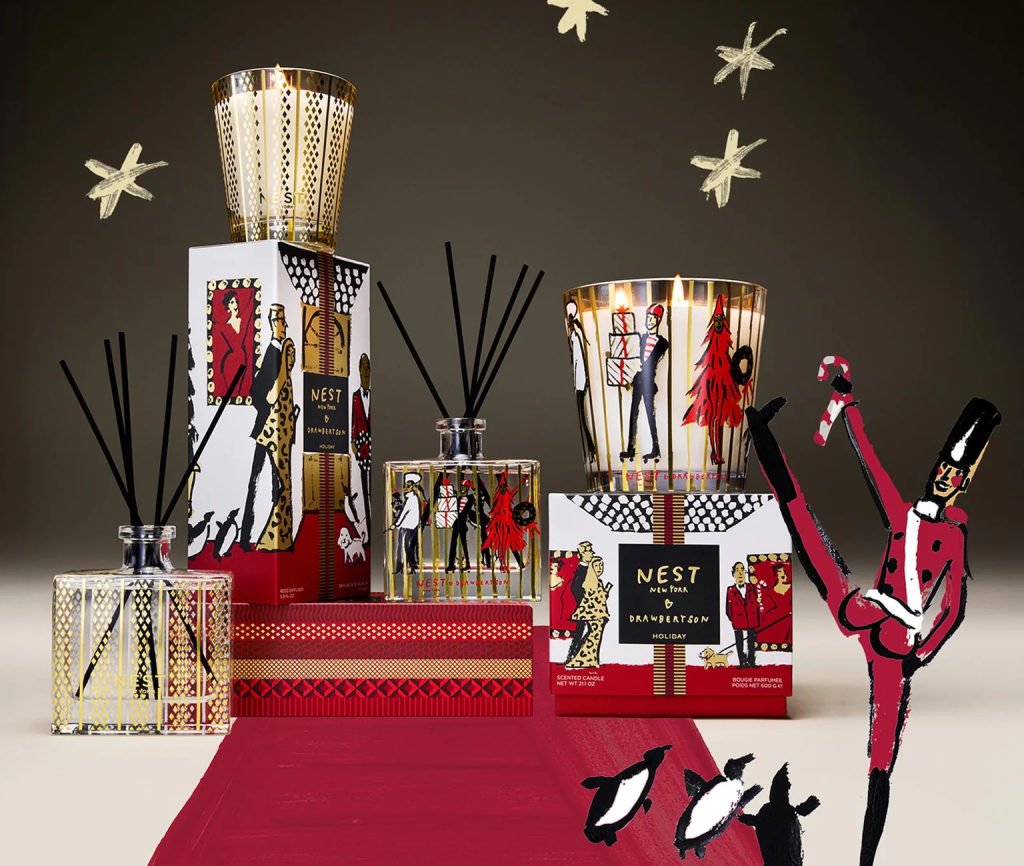
But I love going into smaller markets that carry emerging brands. Those spaces tend to have really thoughtful, exciting packaging, and I find them genuinely inspiring. I also take a lot of photos when I’m out, especially in places like Sephora, whenever something catches my attention.
Grocery stores are hard. there’s a lot of packaging that’s been around a long time where I’m like – we could do this better.
Q:
What materials or sustainability approaches are you most interested in right now?
A:
Post-consumer recycled plastic has become much more standard, which is great to see. Beyond that, I’m really interested in paper-based and refillable packaging systems.
Refillable design is especially exciting because it allows you to create a more permanent, beautiful object that people want to keep, paired with a more sustainable refill system.

I’m also paying close attention to finishes. For example, traditional foil treatments make packaging harder to recycle, so I try to push toward alternatives that achieve a similar effect while remaining recyclable. You can also get a lot out of embossing and debossing. There’s a lot of innovation happening there right now.
Q:
If you could collaborate with any brand right now, what would it be?
A:
I would love to work with Prada, especially on fragrance. Their packaging is very architectural, which really resonates with me.
There’s also something interesting about their fashion and accessories, like their bags that translate into form and function. I think there’s a lot of opportunity to bring that same thinking into packaging design. It would be interesting to see how their fashion informs cosmetics, and how something like a handbag, which is itself a functional industrial design object, could inform packaging.
—
Check out the rest of our Spotlight series to hear more from leaders in the design industry. Sign up for our newsletter and follow us on Instagram and LinkedIn for design news, multi-media recommendations, and to learn more about product design and development!