From Clinical to Comfortable: The Future of Therapeutic Wearables
For decades, devices designed to deliver therapy to the body have been defined by function first and everything else second. Braces, wraps, compression systems, and externally applied treatments have historically been rigid, cumbersome, and visually clinical, often interrupting daily life as much as they support recovery. While effective, many of these solutions have required compromise, asking users to tolerate discomfort in exchange for benefit.
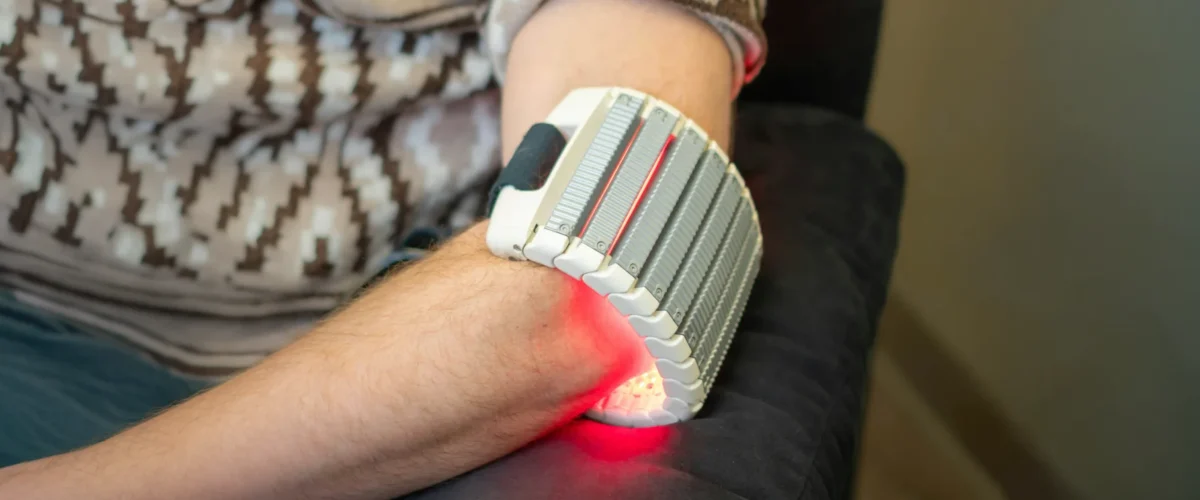
Today, that equation is changing. A new generation of therapeutic wearables is emerging; one that prioritizes not only efficacy, but also comfort, flexibility, and long-term usability. From magnetic therapy wraps designed to reduce pain and inflammation to soft, body-conforming systems that support circulation and oxygenation, these products are evolving into forms that feel lighter, more breathable, and more intuitive to wear. Increasingly, therapy is no longer something users engage with intermittently, it is something that integrates seamlessly into everyday life.
This shift is being driven by advances in soft goods, material innovation, and a growing expectation that products designed for the body should work with it, not against it. As therapeutic wearables move out of strictly clinical settings and into daily routines, their success depends not only on what they do, but on how they feel; how they move, how they breathe, and how naturally they fit into the rhythms of the user.
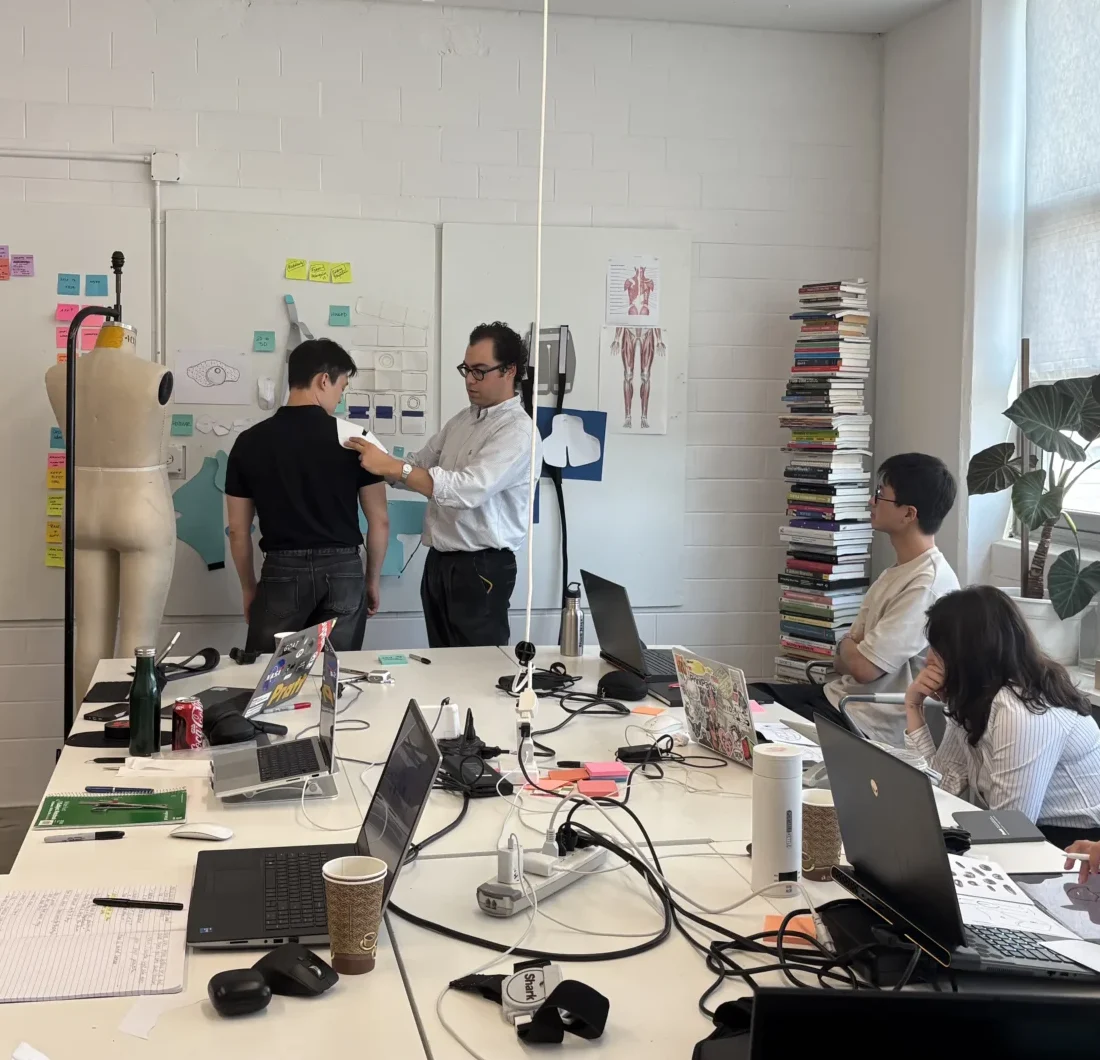
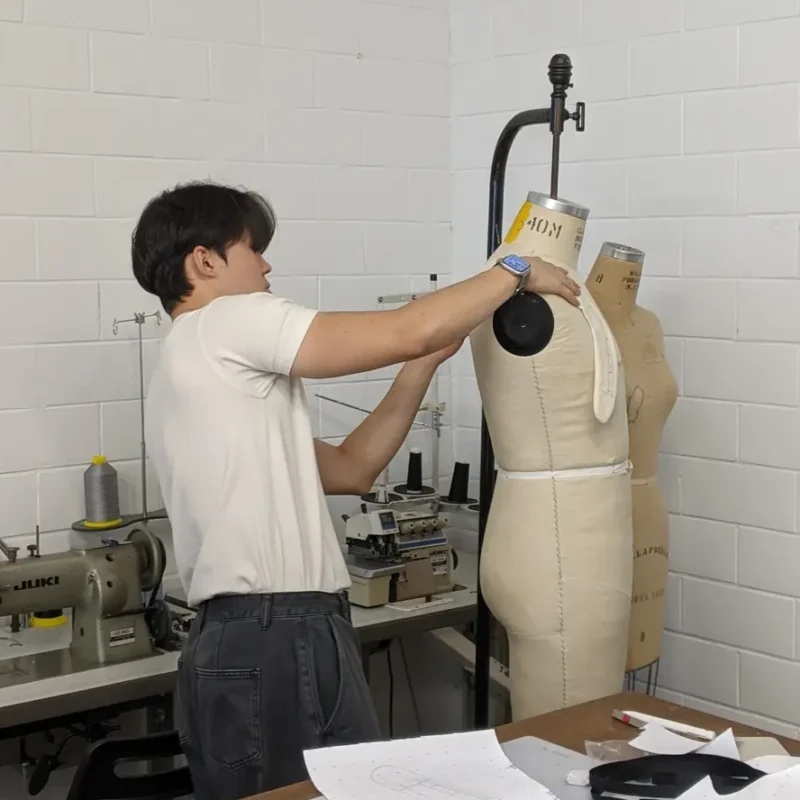
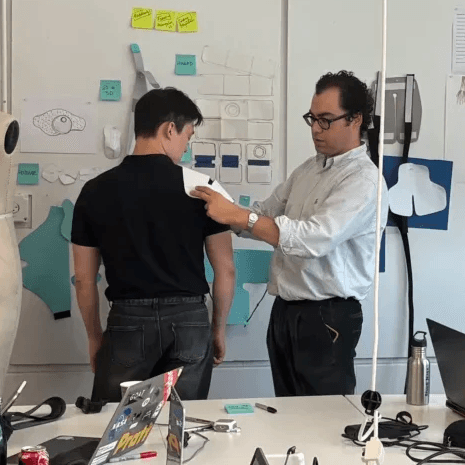
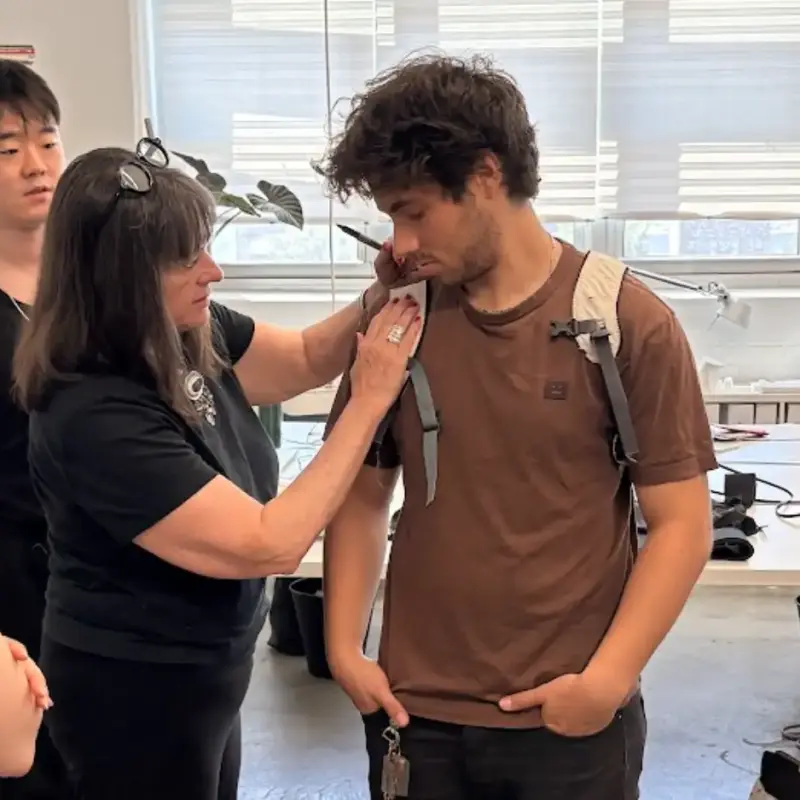
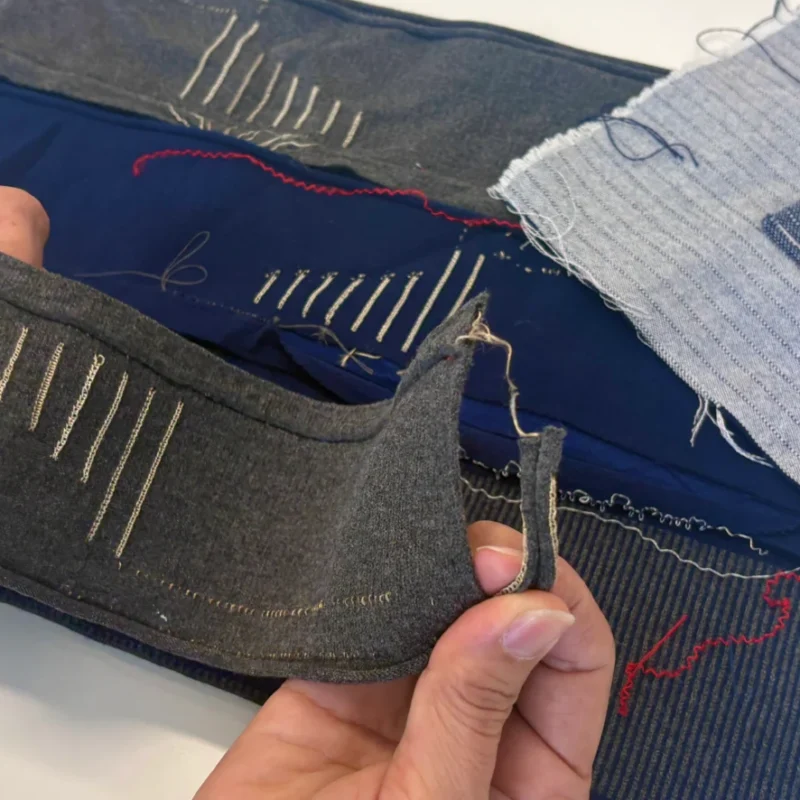
At Interwoven Design, we operate at the intersection of soft goods, human factors, and performance-driven product design. Our team brings together expertise in textiles, ergonomics, and design to create wearable solutions that deliver therapeutic benefit while maintaining comfort and usability over extended periods of wear. From early-stage concept development through prototyping and refinement, our work focuses on translating clinical intent into products that people can incorporate into their lives with minimal friction.
In this Insight article, we explore the evolution of therapeutic wearables, examining how advances in materials and design are reshaping the category. We look at the key principles driving this shift and highlight the opportunities for innovation as medical and consumer expectations continue to converge.
From Treatment to Integration
Historically, therapies applied to the body have been ad hoc and temporary, something users put on for a defined period, often in response to pain, injury, or recovery. These products were designed around moments of intervention rather than continuous use. They served a purpose, but rarely integrated seamlessly into the flow of daily life. As a result, adherence was often inconsistent, limited not by efficacy, but by inconvenience and discomfort.
Today, therapeutic wearables are shifting toward a model of continuous, integrated support. Rather than being reserved for isolated moments of treatment, they are designed to move with the user throughout the day, supporting circulation during work, aiding recovery during rest, or maintaining therapeutic benefits during light activity. This evolution reflects a broader rethinking of how care is delivered; not as a discrete event, but as an ongoing condition that can be supported passively over time.
This shift expands both the opportunity and the responsibility for designers. Products must now function across a range of contexts—sitting, walking, working, and sleeping—without requiring constant adjustment. They must be adaptable, discreet, and resilient, capable of maintaining performance without interrupting the user’s routine. In this model, therapy becomes less about compliance and more about compatibility. The more naturally a product fits into daily life, the more effective it ultimately becomes.
Designing for Continuous Contact
As therapeutic wearables move toward all-day use, the nature of their interaction with the body fundamentally changes. These products are no longer worn briefly or intermittently; they remain in direct contact with the skin for extended periods, often across varying conditions of movement, temperature, and activity. This makes comfort not just a desirable feature, but a core component of functionality.
Designing for continuous contact requires a deep understanding of how materials behave against the body over time. Breathability becomes essential to prevent heat buildup and moisture retention, particularly in areas of compression or limited airflow. Weight must be minimized to reduce fatigue, while flexibility ensures that the product can adapt to movement without creating pressure points or restricting motion. Even subtle inconsistencies in fit or texture can become amplified over hours of wear, leading to irritation or disengagement.
The distribution of pressure across the body is another key consideration. Therapeutic wearables often rely on compression or stable contact to function effectively, but this must be carefully balanced to avoid discomfort. A product that is too loose risks losing efficacy, while one that is too tight can create friction, restrict circulation, or discourage use altogether. Achieving this balance requires thoughtful integration of form, material, and construction techniques.
The Softening of Medical Devices Through Material Innovation
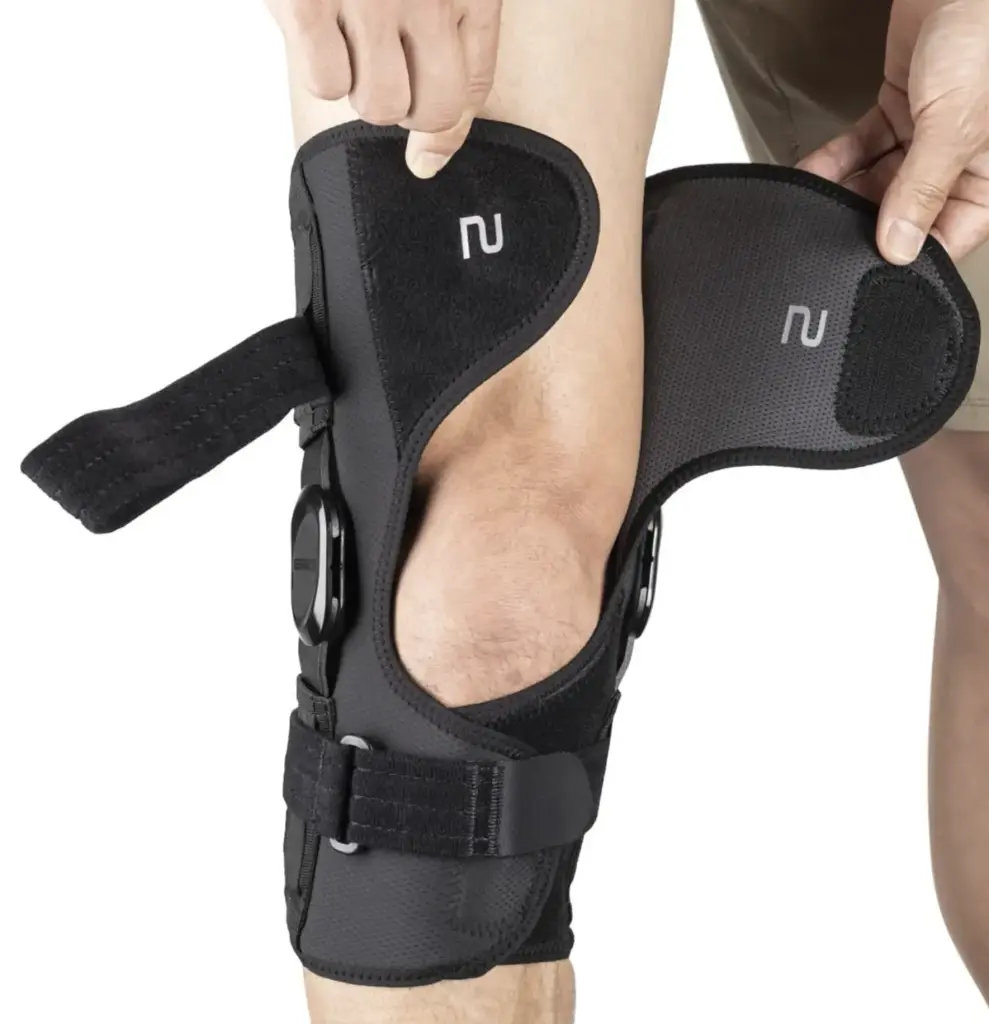
One of the most significant shifts in therapeutic wearables is the transition from rigid, hardware-driven devices to soft, textile-based systems. Historically, medical products prioritized structural stability and clinical performance, often resulting in hard casings, bulky components, and strap-heavy constructions that signaled their function but limited their wearability. Today, advances in materials and fabrication are enabling a fundamentally different approach, one where softness, flexibility, and adaptability are not secondary features, but central to how the product performs.
This evolution is being driven in large part by innovation in textiles and material science. High-performance knits, engineered compression fabrics, and breathable mesh structures allow products to conform closely to the body while maintaining airflow and comfort over extended periods. These materials can stretch, recover, and distribute pressure in ways that rigid components cannot, creating a more responsive and personalized fit. At the same time, the integration of functional elements—such as embedded magnets, conductive fibers, or thermal-regulating layers—allows therapeutic benefits to be delivered directly through the material itself, rather than relying on external attachments or add-ons.
As a result, the boundary between product and garment is beginning to blur. Therapeutic wearables are increasingly designed as systems where structure, function, and material are fully integrated. Instead of layering technology onto the body, the material becomes the interface, carrying out therapeutic functions while maintaining a soft, unobtrusive presence. This shift reduces bulk, simplifies use, and enhances the overall experience of wearing the product.
There is also an important shift taking place in the way these wearables are perceived. As devices become softer and more refined, they move away from the visual language of clinical equipment and toward something more discreet and lifestyle-oriented. This not only improves comfort, but also reduces the stigma that can be associated with wearing medical devices in everyday settings. Products that feel and look like apparel are more likely to be worn consistently, which in turn improves their effectiveness.
Case Study: Rethinking Oxygen Monitoring with Moxy
As therapeutic wearables continue to evolve, products that successfully bridge performance, physiology, and wearability offer valuable insight into the future of the category. The Moxy Monitor is one such example: a wearable device designed to measure muscle oxygen saturation in real time, providing critical insight into how the body is performing and recovering under strain. While rooted in performance analytics, its design reflects many of the same principles shaping the broader shift toward more wearable, body-integrated therapeutic systems.
Design Objective
Translate complex physiological monitoring into a wearable format that can maintain accurate, continuous contact with the body while minimizing disruption to movement and comfort.
Key Features & Design Considerations
Compact, Body-Conforming Form Factor
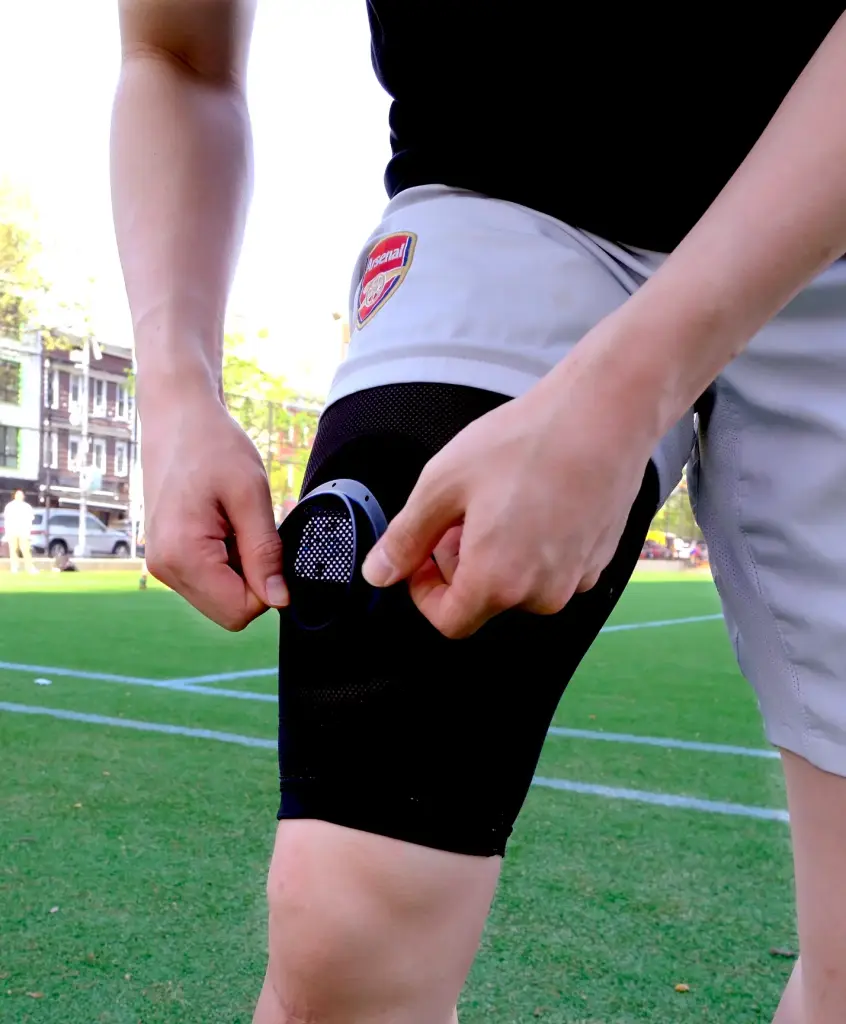
The device is designed to sit close to the skin, reducing bulk and minimizing interference during activity. Its small footprint allows it to be worn across different muscle groups without restricting motion.
Soft Integration with the Body
Rather than relying on rigid mounting systems, Moxy is typically secured using soft straps or compression garments. This approach stabilizes the sensor while distributing pressure more evenly, improving both comfort and data consistency.
Lightweight Construction
A low-profile, lightweight build reduces fatigue during extended wear, making it suitable for use across training sessions, recovery periods, and longer durations of monitoring.
Breathability and Skin Compatibility
Because the device is worn directly against the body, it must accommodate heat, sweat, and movement. Pairing the sensor with breathable, skin-friendly materials helps maintain comfort and reduces the likelihood of irritation over time.
Secure Yet Flexible Fit
Maintaining accurate readings requires consistent contact, but not at the expense of comfort. The system balances compression and flexibility, ensuring the device stays in place while adapting to dynamic movement.
Design Insight
The effectiveness of a wearable like Moxy depends on more than just sensor accuracy, it relies on the product’s ability to remain comfortably in place over time. This reinforces a broader principle in therapeutic wearable design: performance is inseparable from wearability.
Devices like Moxy are no longer confined to controlled or clinical environments; they are used during training, recovery, and daily activity. This requires a design approach that prioritizes discretion, ease of use, and adaptability. The product must be simple to apply and remove, compatible with clothing, and unobtrusive in both form and appearance. By reducing visual and physical friction, and by aligning with the realities of how people move through their day, therapeutic wearables can achieve consistent use and deliver more meaningful results.
The Future: Therapy You Can Wear All Day
The future of therapeutic wearables lies in their ability to disappear into daily life while continuously delivering benefit. As materials become more advanced and technologies more compact, these products are evolving toward forms that feel less like devices and more like extensions of the body. Lightweight, breathable, and flexible systems will enable users to wear therapeutic solutions throughout the day—at work, in transit, during rest—without disruption or self-consciousness. In this model, therapy is no longer a scheduled activity, but an ambient layer of support that moves with the user.
As these products become more integrated into everyday life, expectations will continue to rise. Users will demand solutions that are not only clinically effective, but also comfortable, discreet, and aligned with their personal routines. For design teams, this evolution represents a significant opportunity. The challenge is no longer simply to create functional devices, but to develop wearable systems that balance medical efficacy with human-centered design. This requires a holistic approach, one that considers how products interact with the body over time, how they integrate into real-world contexts, and how they communicate value without relying on overtly clinical cues.
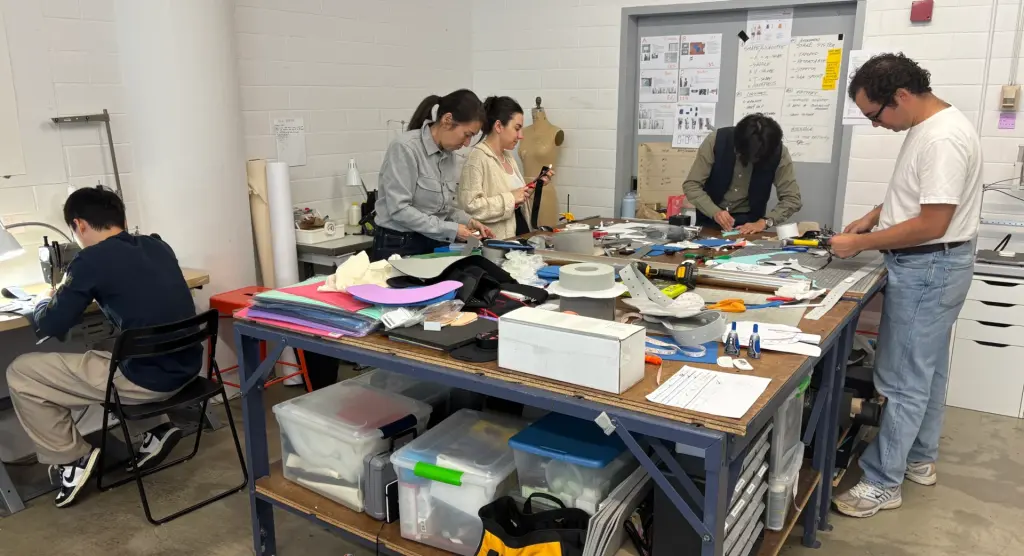
At Interwoven Design, this is where we focus our partnership with clients. We work to translate clinical intent into wearable solutions that prioritize comfort, adaptability, and long-duration use, leveraging our expertise in soft goods, materials, and human factors. Through iterative prototyping, wear testing, and refinement, we help ensure that therapeutic performance is delivered through products that people can and will wear consistently. Interwoven Design is a design consultancy that is positioned at the intersection of soft goods and wearable technology, creating products that function with the body and offer comfort as well as the superb performance that arises through the innovative incorporation of rigid, often electronic and responsive elements. Sign up for our newsletter and follow us on Instagram and LinkedIn for design news, multi-media recommendations, and to learn more about product design and development!