Interwoven Design Group Expands Medical Design Expertise with the Appointment of Yukiko Naoi as Creative Director
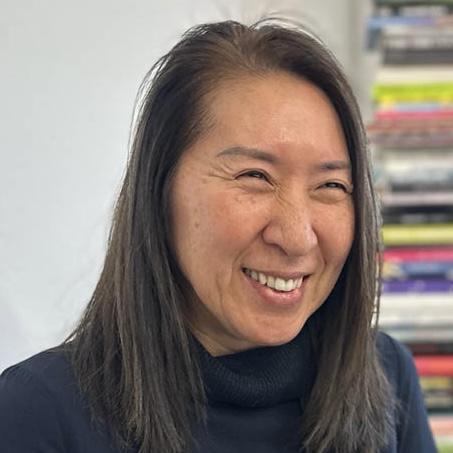
Brooklyn, NY – May 1, 2025 – Interwoven Design Group is thrilled to announce that Yukiko Naoi has joined the team as Creative Director. A seasoned leader in medical product design and a long-time collaborator with Interwoven Design, Naoi brings a unique, multidisciplinary perspective that bridges the worlds of design, medicine, and wellness. Her addition to the team marks a significant expansion of Interwoven’s capabilities in the medical design and packaging fields, reinforcing the company’s commitment to innovative solutions across the market.
Naoi’s career spans over two decades in industrial design, with a specialized focus on medical devices, diagnostics, personal care products, and packaging. As former president of Tanaka Kapec Design Group (TKDG), she led groundbreaking work in medical packaging, human factors research, and healthcare innovation, collaborating with industry leaders such as AstraZeneca, Bausch + Lomb, and Johnson & Johnson. Her extensive experience in regulatory compliance, usability research, and design for manufacturing will be instrumental in advancing Interwoven’s medical design practice, and her structural packaging experience will strengthen their packaging design practice.
Beyond her industrial design expertise, Naoi is also a licensed acupuncturist and founder of Rest NYC, a clinic dedicated to integrative health and wellness. Her ability to merge clinical insights with human-centered design allows her to create products that enhance patient outcomes and experiences, improving everyday lives. This unique combination of skills positions Interwoven Design to expand its influence in patient experience and wearable technology solutions for healthcare.
“We couldn’t be more excited to welcome Yukiko to the team,” said Rebeccah Pailes-Friedman, Founder of Interwoven Design Group. “Her expertise in medical product and packaging design as well as research-driven, user-centered healthcare solutions aligns perfectly with our mission. With Yukiko’s leadership, we are poised to deepen our impact in the healthcare design sector and develop groundbreaking innovations in wearable health technology.”
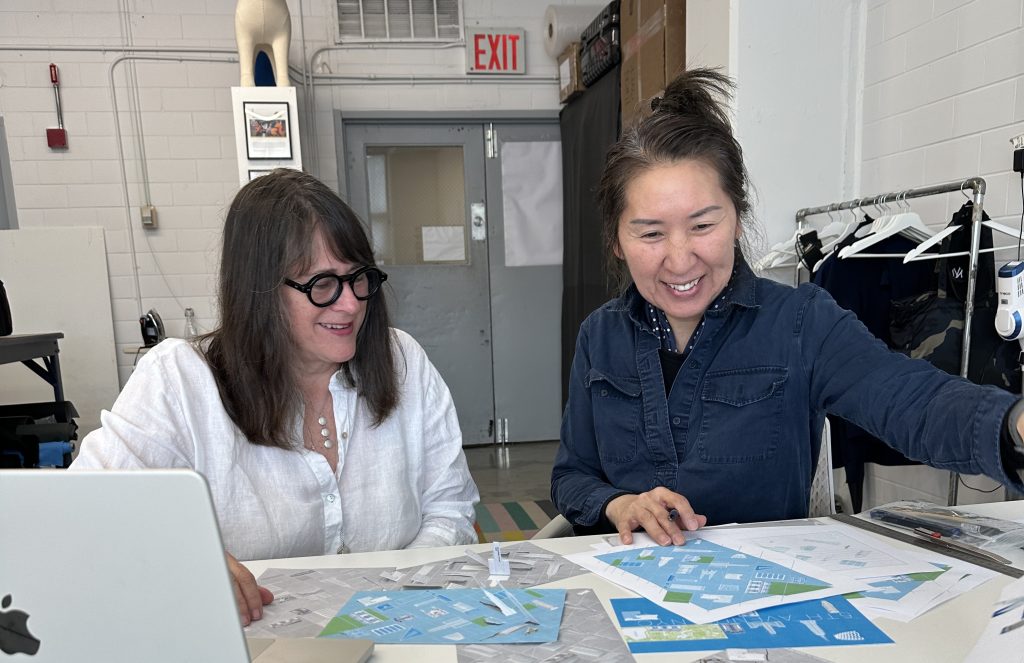
Rebeccah Pailes-Friedman (left) and Yukiko Naoi (right) collaborate at Interwoven Design Group’s Brooklyn studio, celebrating Yukiko’s new role as Creative Director.
Naoi has been a long-time friend and collaborator of Interwoven Design Group, contributing to multiple medical design projects over the years. In her new role, she will lead the studio’s medical design strategy and development, helping push the boundaries of wearable technology, health innovations, and e-textile solutions. Her expertise will allow Interwoven Design to broaden its partnerships within the medical industry and explore new frontiers in healthcare design.
Interwoven Design Group is a Brooklyn-based product design and development studio specializing in wearable technology, smart textiles, and innovations in health, medical, and consumer products as well as packaging. The studio is a thought leader in the wearable technology sector and committed to supporting women in design. By combining expertise in fashion, engineering, material science, and product design, Interwoven Design Group creates forward-thinking solutions that seamlessly integrate technology with the human body.
Please join us by welcoming Yukiko to the team!
Exploring 7 Essential Categories of Packaging
Exploring 7 Essential Categories of Packaging
Packaging is more than just a container—packaging serves as a bridge between brands and consumers, offering both functional value and an opportunity to make a lasting visual impact. In today’s world, where commerce is king, packaging design plays a pivotal role in shaping how products are perceived, protected, and purchased. From ensuring product safety and sustainability to influencing purchasing decisions on crowded shelves, the design of a package can often make or break a product’s success. Packaging must be practical, safeguarding the product during storage and transit, while also acting as a powerful marketing tool that communicates a brand’s identity, values, and appeal. The best packaging balances functionality with creativity, using innovative materials, structures, and graphics to stand out in a competitive marketplace. At Interwoven Design, we’ve found that the most successful packaging designs involve a structural packaging designer and a graphic designer working together to bring the design to life. In this Insight article we’ll delve into the seven major categories of packaging we encounter in the design industry. Each type—whether rigid, flexible, or something in between—has its own unique features, benefits, and ideal applications. By understanding these categories, designers can make informed choices that enhance both the user experience and the product’s marketability.
1. Primary Packaging: The First Line of Protection
Primary packaging refers to the layer of packaging that comes into direct contact with the product itself. Its primary purpose is to protect the product from external factors such as contamination, moisture, or damage, while also ensuring its safety and integrity. In addition to a protective role, primary packaging often carries essential information, such as product details, usage instructions, and safety warnings, making it an integral part of the consumer experience.
Examples of primary packaging are everywhere, from bottles used for cosmetics and beverages to boxes that house food items or electronic devices, and tubes designed for toothpaste or lotions. Each type serves a specific function, tailored to the needs of the product and the user. For instance, a bottle must balance durability with portability, while a tube might emphasize ease of dispensing and portion control.
When our team takes on a primary packaging project, we focus on the careful consideration of materials, functionality, and user experience. The packaging needs to be practical—suited to the contents in size and materials, easy to open, reseal, or dispose of—and it needs to align with the product’s brand identity. By addressing these factors, primary packaging becomes more than just a protective layer; it becomes a critical touchpoint that connects the consumer to the product.
2. Secondary Packaging: Enhancing Brand Identity
Secondary packaging serves as an additional layer of protection and branding that supports the primary packaging. While it may not come into direct contact with the product, it plays a vital role in grouping products, protecting them during transportation, and creating a strong visual impact on retail shelves. Secondary packaging bridges functionality with aesthetics, helping to reinforce a brand’s identity and attract consumer attention.
Examples of secondary packaging include retail boxes, such as the sleek and sturdy boxes used for smartphones or luxury gift sets, as well as cartons and trays designed to hold bulk products or multiple units. These packaging types ensure products are secure while adding an element of sophistication and branding that resonates with the target audience.
Effective secondary packaging design requires a focus on branding elements—such as logos, colors, and typography—and attention to detail in printing and finishing. It should also prioritize shelf appeal, ensuring the product stands out in competitive retail environments. While we don’t specialize in graphic design at Interwoven Design, we know that it is critical for the graphics to be in harmony with the form. Sometimes we bring on a consulting graphics designer for specific projects to ensure this alignment. By combining durability, practicality, and visual appeal, secondary packaging elevates the overall consumer experience while reinforcing brand recognition and loyalty.
3. Tertiary Packaging: Logistics and Distribution
Tertiary packaging is the backbone of logistics, designed specifically for bulk handling, storage, and transport. Unlike primary or secondary packaging, its primary function is not consumer-facing but rather to ensure the safe and efficient movement of goods in large quantities. By protecting products from damage during shipping and simplifying distribution processes, tertiary packaging plays a crucial role in supply chain management.
Examples of tertiary packaging include sturdy shipping boxes and pallets that keep products stable during transit, shrink-wrap and stretch film used to bundle multiple items together, and corrugated containers that provide both strength and lightweight efficiency. These solutions help prevent damage, minimize waste, and streamline the movement of goods across warehouses and retail environments.
When designing tertiary packaging, key considerations include durability to withstand the rigors of transportation, ease of handling for warehouse and delivery workers, and sustainability. Materials should be robust enough to protect products while also being cost-effective and environmentally friendly, such as using recyclable or reusable materials. Thoughtful tertiary packaging design ensures that products arrive at their destinations intact, efficiently, and with minimal environmental impact.
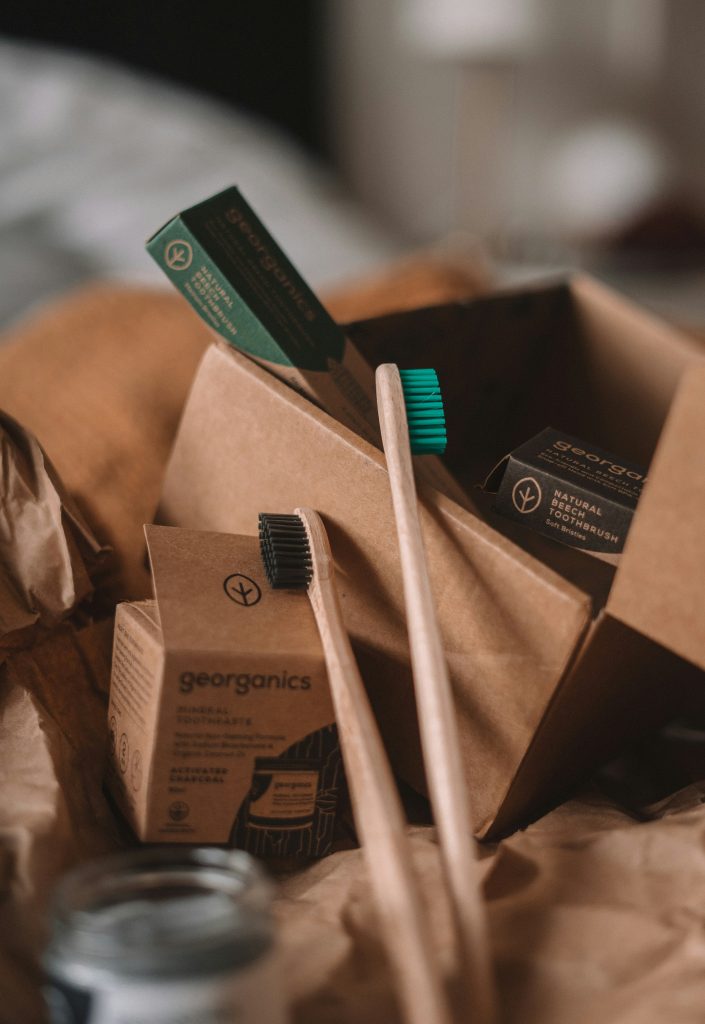
Sustainable packaging has become a cornerstone of modern design, addressing the growing demand for solutions that minimize environmental impact. This type of packaging is intentionally crafted to reduce waste and carbon emissions while still meeting the functional needs of product protection and usability. By prioritizing eco-friendly materials and design principles, sustainable packaging aligns with both consumer values and environmental goals.
Examples of sustainable packaging include biodegradable materials, such as compostable wrappers for food products, recycled and recyclable options like paper, glass, or certain plastics, and reusable alternatives like fabric bags or glass jars. Each approach aims to extend the life of materials, reduce reliance on virgin resources, and encourage environmentally conscious behavior among consumers.
Effective sustainable packaging design requires careful consideration of material sourcing to ensure it is ethical and renewable, life-cycle analysis to evaluate its environmental impact from production to disposal, and consumer behavior to ensure ease of use and adoption. There are many innovative tools and databases we like for researching innovative and sustainable materials for our projects. By integrating sustainability into packaging design, brands can reduce their ecological footprint while fostering trust and loyalty among environmentally conscious consumers.
5. Flexible Packaging: The Versatile Option
Flexible packaging is one of the most adaptable and efficient solutions in the packaging industry, made from lightweight materials such as plastic films, paper, or foil. This type of packaging is commonly used for food, beverages, and consumer goods, offering a cost-effective way to protect products while enhancing portability and convenience. Its lightweight nature also makes it a more sustainable option compared to rigid alternatives, as it reduces transportation energy and material waste.
Examples of flexible packaging include pouches for snack foods or pet foods, laminated bags often used for coffee packaging, and flexible plastic films for items like produce or frozen goods. These formats are particularly valued for their ability to maintain product freshness, provide a compact and space-saving solution, and often include user-friendly features like resealable closures.
When designing flexible packaging, key considerations include space efficiency for both storage and transportation, high-performance barrier properties to protect against moisture, air, and light, and ease of use to enhance consumer experience. With its versatility and practicality, flexible packaging continues to be a go-to choice for industries looking to balance functionality, cost, and convenience.
6. Luxury and Specialty Packaging: Elevating the Brand Experience
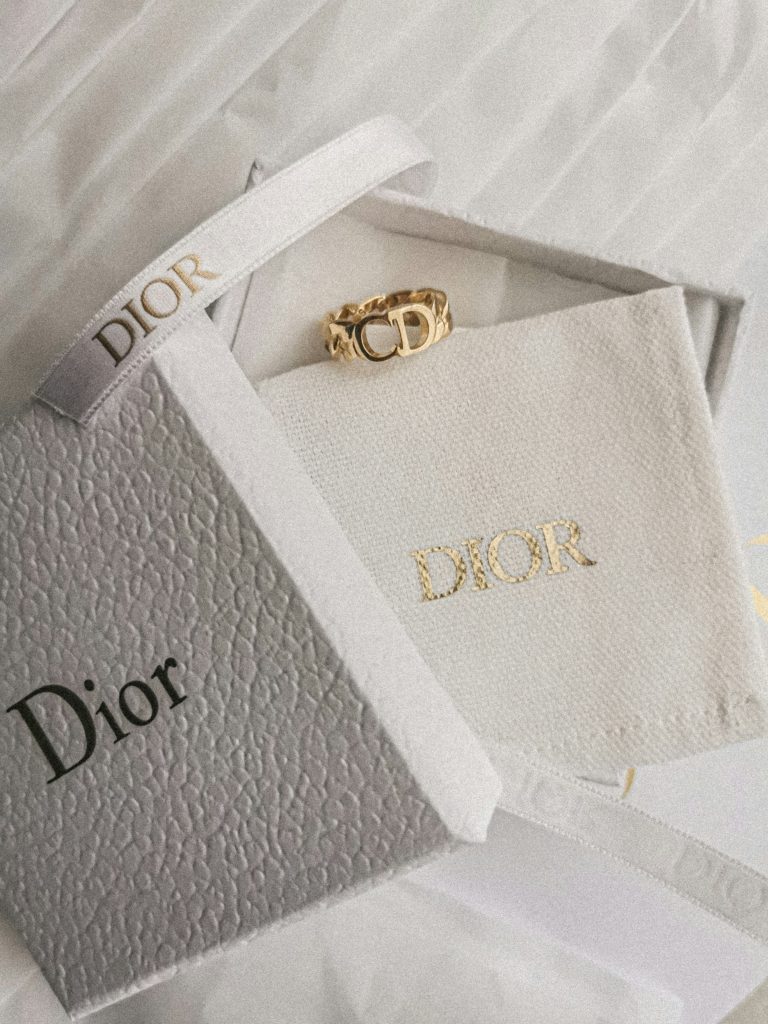
Luxury and specialty packaging is designed to make a statement, creating a premium, visually striking, and tactile experience that enhances the perceived value of high-end products. It’s not just packaging—it’s an extension of the product’s identity, communicating exclusivity, sophistication, and quality to consumers. This type of packaging is often used for premium items where the unboxing experience plays a significant role in brand storytelling.
Examples include elegant gift boxes for jewelry or high-end cosmetics, embossed or foil-stamped materials that add texture and brilliance, and custom-designed containers like ornate glass bottles for perfumes or luxury wine packaging. These elements combine to create a sense of indulgence and uniqueness that sets the product apart.
Designing luxury and specialty packaging involves using high-quality materials, such as fine paper, glass, or metal, and incorporating intricate design elements like embossing, debossing, or metallic foiling. Special finishing techniques, including matte or glossy coatings, magnetic closures, or fabric linings, further elevate the packaging’s appeal. By investing in thoughtful and distinctive design, brands can forge an emotional connection with consumers, turning the packaging itself into a memorable part of the product experience.
7. Interactive and Smart Packaging: The Future of Packaging
Interactive and smart packaging is revolutionizing the way consumers engage with products, blending technology with design to create a dynamic, functional, and engaging user experience. By incorporating innovative features, this type of packaging goes beyond its traditional roles of protection and branding, offering consumers added convenience, deeper product insights, and memorable interactions.
Examples of interactive and smart packaging include QR codes that provide product tracking, promotional offers, or access to exclusive content; smart packaging solutions like temperature-sensitive labels that indicate freshness or RFID tags for inventory management; and augmented reality experiences that transform packaging into an interactive digital platform. These advancements enhance not only the usability of packaging but also the consumer’s connection with the brand.
Designing interactive and smart packaging requires thoughtful integration of technology to ensure it aligns seamlessly with the product and brand. Usability is key—consumers should find the technology intuitive and beneficial. Additionally, designers must focus on creating engaging and meaningful interactions that enhance the overall experience while keeping practicality and production costs in mind. With its ability to combine innovation with storytelling, interactive and smart packaging represents the cutting edge of the packaging industry.
Packaging Trends and Final Thoughts
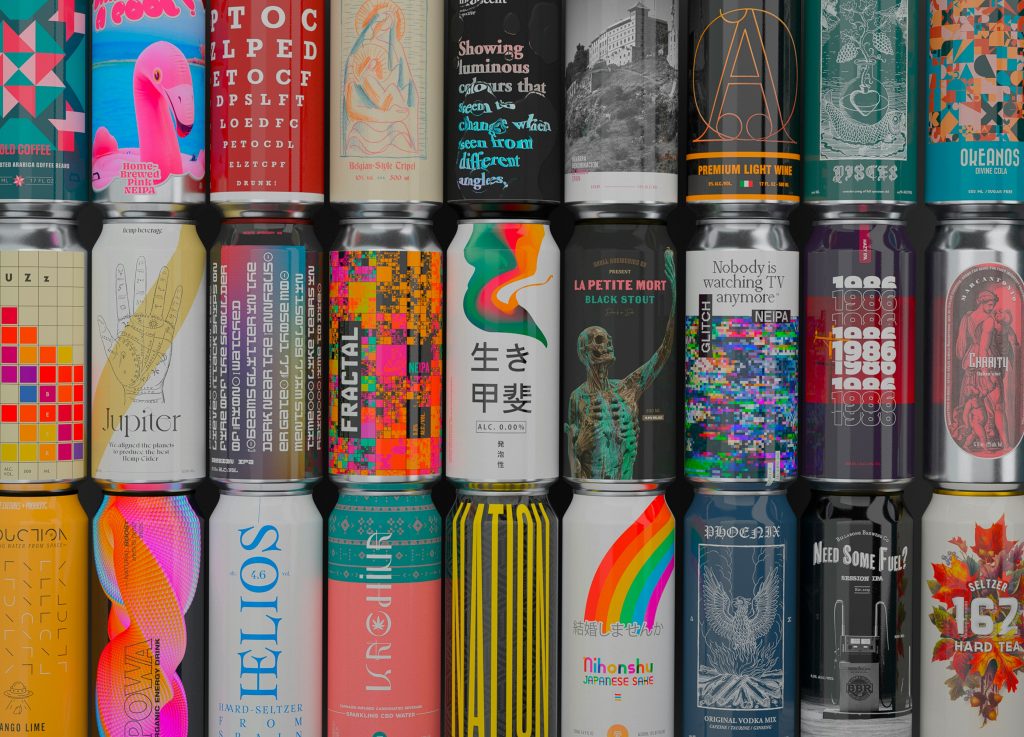
The packaging industry continues to evolve, driven by changing consumer demands and advancements in technology. Current trends such as minimalist design, eco-conscious materials, and personalized packaging highlight the shift toward simplicity, sustainability, and customer-centric solutions. Emerging innovations like smart packaging, direct-to-consumer models, and enhanced sustainability practices are reshaping how products are delivered and experienced. Looking ahead, the future of packaging may include predictive packaging that anticipates consumer needs, AI-enhanced designs that optimize functionality and aesthetics, and greater transparency in the supply chain to build trust and accountability. Check out Packaging of the World and Lovely Package for some packaging inspiration, two of our favorite places to catch up on the current trends.
As we’ve explored, each category of packaging plays a unique role in product design, from protecting and transporting goods to elevating brand identity and consumer engagement. In today’s market, thoughtful, sustainable, and innovative packaging is no longer optional; it is essential. Designers have a responsibility to create packaging that not only serves its functional purpose but also considers its emotional and environmental impact. By embracing these trends and pushing the boundaries of what packaging can achieve, designers can lead the way in shaping a more sustainable and connected future for the industry.
Spotlight articles shine a light on designers we admire, asking leaders in the field about their work and their design journey. In this interview we spoke with industrial designer and packaging design expert Loreta Haaker. From Lima to New York, Haaker has carved a distinctive path in the world of design, blending ingenuity with poetic storytelling. Her work—spanning furniture, soft goods, packaging, and food design—reflects a deep connection to her Peruvian roots, childhood memories, and the real as well as the magical elements of Latin American culture.
Photo courtesy of Loreta Haaker.
A graduate of Pratt Institute and Pontificia Universidad Católica del Perú, Loreta’s design philosophy fuses contemporary trends with an intuitive sense of materiality and form. Her approach is both precise and playful, crafting objects that evoke powerful experiences. Recognized early in her career as one of Cosas Design magazine’s top emerging designers, her work has since been showcased in Lima, Milan, Miami, and New York. We know all about Loreta’s talent here at Interwoven Design as she works on our social media team, creating the fantastic graphics you see on all our platforms, especially Instagram! We asked her about the collaboration between graphic packaging design and structural packaging design, where she sees innovation in the market, and where she looks for inspiration.
Q:
How did you get into packaging design?
A:
My journey into packaging design began in 2018 with a role as an industrial designer specializing in structural packaging at Ammunition, a leading design studio in California. Their Brooklyn studio in DUMBO focused exclusively on packaging, making it the perfect environment to dive in.
There, I learned that packaging design isn’t just about protection—it’s about the experience. I explored how packaging could extend the product’s story, incorporating innovation and sustainability. I soaked up every bit of knowledge I could. You have a preview of what packaging design is like at school, but it’s way more than you expect. That was my first experience, that was the first time I heard the term ‘structural packaging.’ It involves engineering because there are constraints around capacity and dimensions. If you just hear ‘packaging designer’, it might mean either graphics or structure, or both. Usually an industrial designer will call themselves the structural packaging designer, which is everything that’s not the graphics.
Later, in 2021, I began consulting for a beauty and cosmetics company in Peru. Over the past three years, I’ve worked on diverse packaging solutions: glass fragrance bottles, plastic makeup containers, and limited-edition cardboard boxes. Structural packaging design involves close collaboration with engineers, as factory production requires meeting technical specifications and restrictions.
Q:
You are part of the IW design team but you work remotely from Peru—could you tell us how that came about?
A:
Yes, I started with Interwoven Design right after graduating from the MID program at Pratt. I worked full-time during the summer of 2017. After that, I stayed in touch, collaborating on projects in New York on different occasions between 2018 and 2020. Since 2021, I’ve been working with IW remotely as a freelancer, and it’s incredible to think it’s been almost seven years since I first joined the team! The story actually began even earlier, in 2016, when I took Rebeccah’s Soft Goods class at Pratt. It was my first real exploration into soft materials and sewing, and it turned out to be one of the most memorable and impactful electives I’ve ever taken. She was doing a lot of technology components with other students in my class but I’m not that techie, so for me it was a perfect start in soft goods. I really like products made of fabric. That project was super interesting for me because I had never worked on a soft goods project before, even though I did my undergrad in ID.
I got my master’s in design at Pratt because the field had expanded so much around 3D printing and technology for prototyping between 2010 and 2020. After that semester, I partnered with Interwoven Design on a soft goods project, then it was in the summer and I stayed involved, working on different projects. At that point it was mostly conception or research. When I started working remotely, we already had a strong relationship.
After my master’s degree and after the pandemic, it was easier to work remotely. I could take advantage of that flexibility and be home [in Peru] while staying in touch with my clients. So that was great: that I could be back home but still have the rush of working in a global market in New York.
Q:
What are some of the other types of work you do?
A:
As an industrial designer, my skills range from design thinking and concept development to hands-on exploration and making. While I’ve become a bit of a packaging expert—creating out-of-the-box experiences for consumer products—I’m always open to new opportunities and projects.
The fields I’ve explored include furniture, soft goods, accessories, food design, beauty and cosmetics, structural packaging, and product photography. I do a lot of cosmetics and beauty packaging. I don’t know why but I started getting a lot of clients who need packaging. I think packaging is something that moves a lot. Many of the branding companies I work with don’t have an in-house structural designer, and that caught my attention. I realized that I could offer structural packaging to different design studios. Some people call structural packaging secondary packaging, while primary will be something that touches the product. Then secondary packaging would be the box around the primary container.
Q:
Your Advent Calendar project won an award at the Latin America Design Awards last year. Could you tell us about it?
A:
ésika Advent Calendar
Yes! It was a holiday unboxing experience for the beauty brand ésika—a limited-edition Advent Calendar. I was the structural packaging designer lead and collaborated with graphic designer Sandra Lanfranco. She added all the vibrant colors and finishing touches to the project. It was an advent calendar in the shape of a 5-sided Christmas tree that unfolded into a 360 degree display with 25 beauty products inside.
We had a lot of freedom because a calendar isn’t a traditional product, the packaging silhouette isn’t predetermined. We decided to play around with the shape, asking, How it could be a box without being a box? The only thing we needed to keep in mind was that we had to have 25 items and 25 ways to open it to access those items. Besides that it could be whatever you wanted. We were thinking about how we could make it a more contemporary structure, something that could display or be unboxed in different ways that could surprise you or give you a different feeling when you open it. Maybe it comes flat, and as you open it becomes a 3D structure.
ésika Advent Calendardetail
We made a lot of mockups, small ones. We realized we could fit a lot of sections if we thought about a 360 degree shape with pockets all around. As we were breaking down 25, we thought 5 sides would make sense. We wanted it to be so beautiful that you would want to leave it standing even once it was empty, and bring it out every Christmas. When you work together with the graphic designers, the concept is so much better, and the process invites more innovation. That really helped the strength of the project as a competition submission. We also created a mini version with three sides, each highlighting a best-selling beauty product.
The project was recognized by the Latin America Design Awards 2024 in Brazil and the Pentawards 2024 in London, earning bronze in both competitions for Brand Identity and Connected Packaging. This was my first time submitting a packaging project, and receiving this recognition was such an honor!
Q:
You do both industrial and graphic design. How do you integrate structural and graphic elements in packaging?
A:
I do both, but my graphic skills are more intuitive—a way to communicate and reinforce ideas. While I don’t have formal training in graphic design, I’ve always had a strong visual sense and a love for it. For larger or more complex projects, I collaborate with graphic experts to co-create the best results.
Here’s how I see the relationship:
Structural packaging is the blueprint: it ensures the product is protected, functional, and user-friendly. Structural packaging offers protection for transport and display, functionality and ease of use, efficiency for display and logistics, and sustainability in materials and recyclability.
Graphic design gives the package its personality. It helps products stand out, communicate key benefits, and build emotional connections. Graphic design attracts attention, establishes brand identity, communicates product benefits, evokes emotions, and builds loyalty.
For me, a successful package seamlessly combines both elements. It’s vital to consider structural and graphic design together from the very start.
Q:
How does that collaboration go if you are working with a graphic design team?
A:
For the advent calendar project we were on a team together from the beginning. We decided, Okay let’s prioritize the structure, the visual 3D form, and then we’ll work on the graphics. We did do that, but that whole time I was in conversation with the graphic designers, showing them my work. They started creating graphic design moodboards around my early ideas, and ideating alongside me even though the design isn’t finalized. That’s one way to do it.
Another example is a project for a jewelry designer client of mine, a sculptor who’s doing jewelry. I was designing boxes for her. She already had her branding, her logo, and things like that. She had the vision of what she wanted and then I asked, What’s the best way to apply that graphic content, that is already developed, to new packaging? I’m thinking about her brand: she’s working with her clients all the time. I thought we could do something artistic, like an origami box that could unfold flat so she could hand draw on it. Then on the other side would be the logo and business information. She was an artist and she sketches like crazy, so that was one of my suggestions, We could use a super nice paper, we won’t add any glue, and then why not try to draw on it to personalize it and see what happens? I finalized the project with that idea for future personalization, and now I see those personalized boxes on her Instagram, whenever she has a special item she creates this beautiful artwork on the packaging and it’s exactly how I envisioned it. It’s so amazing.
Another way to work with graphic designers is through brand agencies that decide, Okay let’s go full circle with this rebrand. I was working with an agency that was doing a rebrand for a bakery. They said, Let’s create a new look and feel, and we definitely need packaging because we want to stand out. For bakeries, everything looks the same, on the market. Everything looks the same. In this case we were looking for something super minimalistic. I had a small brief for the project, so the look and feel was already kind of set. They didn’t know how they wanted the packaging to look but they knew how they wanted it to feel. I was creating a system of packaging, where each size has a different purpose. I was thinking about the proportions that would make sense. The tiny one is a perfect square. The second one will be the same height but twice as wide. The third and fourth would be proportionally related, scaling up. There was a look and feel but I had a lot of freedom around the dimensions. They already had a logo, so we played around with the best way to apply that logo, and the best colors. There were requirements in place, and the packaging needed to look good with the assets they already had. I went back and forth with the graphic designers to make sure that all of the elements were harmonious. If the teams are too independent, you can get graphic and structural designs that don’t look good with each other.
Q:
What role does unboxing play in your design considerations?
A:
Unboxing is one of the most exciting aspects of packaging design. It’s the moment when the user interacts with the product for the first time, and it sets the tone for their overall experience. I always aim to make this process smooth and enjoyable, elevating the product inside. There’s something special about unboxing—whether it’s the anticipation or the reveal—and I always keep that emotional connection in mind.
Q:
How do you test the functionality and durability of your packaging designs?
A:
The process starts with mock-ups to test basic concepts and usability. Afterward, prototypes are created for more detailed evaluations. On a larger scale, an engineering team often steps in to conduct rigorous tests on materials and structural performance, ensuring the packaging meets all functional requirements.
One of the biggest challenges today is addressing the environmental impact of packaging. Designers must be mindful of reducing waste, avoiding single-use plastics, and eliminating excessive materials.
To tackle this, I focus on sustainability by selecting eco-friendly alternatives and exploring innovative designs that optimize efficiency. It’s about finding solutions that balance creativity, functionality, and environmental responsibility.
Q:
Where are you seeing innovation in the market? What role does sustainability play?
A:
Absolutely! I’m particularly inspired by the increasing use of biodegradable and renewable materials. Plant-based options are becoming more common—they’re not only environmentally friendly but also have a forward-thinking aesthetic that resonates with modern consumers.
Examples of sustainable innovations include materials designed to disappear, such as algae-based solutions, from seaweed, and naturally grown packaging like mycelium, from mushrooms. These solutions represent a significant shift towards sustainability and demonstrate how nature-inspired designs can shape the future of packaging.
Q:
How do you approach the design process for packaging compared to consumer products or furniture?
A:
The process is largely the same: research, ideation, conceptualization, exploration, design development, 3D modeling, technical drawings, and prototyping.
What’s different with packaging is the need to consider the product it contains. I typically receive a brand brief from the client and technical specifications from engineers. From there, I create mood boards and develop concepts that connect the product and its packaging in a cohesive way. Everything starts with research. Research everywhere. The farther from your starting point, the better. Take the bakery packaging example, I had seen a lot of different packaging solutions that are not related to bakeries, for example cosmetics, but there can be a nice relationship between the two. For beauty there is a lot of harmony with science, so cross-pollinating can work well. One idea for future development that I suggested for the bakery packaging was an external element, I pulled out some beautiful off-white shoelaces I had and tied it onto the smallest box. It made these tiny beautiful desserts feel special. They weren’t sure about it but they really loved the idea.
Q:
Where do you look for inspiration?
How to Wrap Five Eggs by Hideyuki Oka
A:
Inspiration is everywhere, especially in everyday objects. Recently, I noticed a minimalist packaging solution at a bakery—a chocolate bear box with a locking detail shaped like a little bow. It was such a small touch but made all the difference.
I also find inspiration in books. My favorite is the “Packaged for Life” series published by Victionary, which celebrates packaging that brings joy to daily life. I own the Coffee & Tea, Scent, and Chocolate editions. Chocolate is my favorite!
Another book I treasure is How to Wrap Five Eggs: Traditional Japanese Packaging by by Hideyuki Oka. It’s a stunning exploration of natural materials and traditional craft techniques, and it’s a constant reminder of the beauty in simplicity.
For me, nature is the ultimate source of inspiration. Spending time outdoors helps me reset and sparks new ideas. When I find something particularly special, I capture it with my instant camera and keep it as a memento—these snapshots often become seeds for creative exploration later on.
Spotlight articles shine a light on designers and design materials we admire. Our founder and principal designer Rebeccah Pailes-Friedman has met many wonderful designers in her time in the industry, and in our Spotlight interviews we ask them about their work, their design journey, and what inspires them. In this interview we spoke with Milja Bannwart, a package design maven who started her own creative consulting company last year.
Milja worked for years as a designer for Estée Lauder, working with brands like Tory Burch, Michael Kors, Coach, Marni, and most recently La Mer, where she was the executive director of global packaging design. We asked Milja about her design process, corporate versus personal design, and what makes for a great packaging design.
Photo courtesy of Milja Bannwart.
“A great packaging design is one that you want to keep.”
Q: What are you working on that’s interesting to you at the moment?
A: Lately I’ve been returning to my work with ceramics. I’m working right now in my studio, here in Industry City. I’m working on these free form shapes and sculptures, and just being inspired by the material, by clay, and letting that lead the design process. And this is such a welcome departure from my work in packaging, which is by nature much more structured.
Q: What else is inspiring you?
A: Right now what I’m really inspired by is the days getting longer again. I was thinking about how every day now, it’s a little bit lighter towards the end of the day. There is something so beautiful about the time of the day just before sunset, and the light at that time to me is so inspiring. There’s a sense of renewal and new beginnings that to me is inspiring, and that’s motivating me right now in my work.
Q: What is packaging design?
A: Packaging design is the first touchpoint the consumer has with the product.
It’s the first thing you hold in your hands, and aside from the main function of protecting the product, packaging also speaks to what’s inside the package and is a reflection of the brand. The role of packaging design is to evoke emotions and to be meaningful and beautiful. So a packaging designer can also tell a story, which is so important, and create this unique and beautiful unboxing experience. There is so much to packaging aside from protecting the item inside. There’s the actual piece that you know is inside the box, primary and secondary packaging. But there’s so much more to that: the storytelling and the brand piece and the textures and the colors and the forms that come into play. It’s many things coming together.
Q: How did you get into packaging design?
A: It’s an interesting story. Kind of by coincidence I had a freelance gig in 2004 that I took for designing cosmetic display units. As a person coming from ID, this was completely new to me and as an industrial designer I figured, Oh yeah, sure, I can do cosmetic display units, great, point of purchase. And then immediately when I started that job, I was not drawn so much to the display units, but much more to the packages that were sitting in the display, the actual product packages. They were just beautiful; full of texture, absolutely stunning. That’s what I wanted to do. I begged and begged until I got to design the packaging. Eventually they gave in and I never looked back.
Q: What do you enjoy most about packaging design?
A: After all these years in beauty packaging design, what I love the most is the collaboration that happens between cross-functional partners, and manufacturing as well. The initial design turnover is just a kickoff for a highly collaborative effort and process to bring up the product into production. There are so many different people that touch or are involved in that process.
The most exciting piece is when you go, let’s say, to a glass production run for a perfume bottle, and you’re there, working with these craftsmen making that bottle. These have been such rewarding experiences; where you are working from the initial design sketching through to the final product. Seeing that all come together is absolutely rewarding and wonderful.
Q: What does design research look like in your practice?
A: It sort of depends on what I’m working on. If I’m working on a package design for a specific brand, really understanding the brand, the brand DNA, and the brand story, is crucial. That’s key. You have to design through the lens of that brand. That’s the first step. You have to dive deep into the history of the brand, what the brand means, and really understand what the design language is.
Depending on the brief, the initial work phase may include concepting, it could be mood boards. Definitely a lot of concept boards, concepting, and ideation sketches. So the first step is determining where you want to go and inviting the client into that process. Saying, Hey, let’s look at this together. Where are we? Where do we want to go with this? Are we good with this step? And then going forward from there.
The initial mood boards can outline different avenues for the project that you may want to take. So you may have like a couple different options for, you know, what’s the story, what are we doing, what are we trying to do? And then, further down the road, a mood board could go into materiality and more specific textures. Even color ways; what kind of color world are we thinking about? What kind of finishes are we thinking about? Maybe being more specific, but I think that’s a little bit further down the road.
Q: What are some of your favorite design research tools and strategies?
A: One of them is sharing this type of concept board. There can be great collaboration in that. Is it online, is it on Pinterest? Then really sharing some of these ideas and molding that shared idea. That’s one of my favorite tools to use for sure. And then, everybody gets stuck sometimes, sometimes you have no idea.
Another of my favorite research tools is to go outside, take a walk, get some fresh air, go for a run…just start over again. I feel like that’s like a great tool when you get stuck or you don’t know where to go.
Q: Could you talk about how you approach designing for a corporate client and compare that with how you design for personal projects?
A: I really work in the same patterns. Regardless of whether I work on my own project or for a client, my process is very similar. There’s always concepting, mood boarding…the difference is that I allow myself more time when I work on my own. I can be a bit more free. Also, I write my own informal brief, which is like a guideline for your own personal work: where do you want to go, what are your goals and dreams, where are you headed? I’m kind of old school. I still have a sketchbook where I write and sketch and put my notes. Typically what I like to do is I have some ideas and sketches in my notebook and then I expand on that on the wall. If I want to try an idea out, I start ideating on the wall with images and swatches.
Designing for a corporate client or corporate brand, there are obviously timelines, there are budgets associated, there are often process guidelines in place. When I work on my own projects, right now at least I’m trying to be playful. I’m trying not to have too many rules and trying to let myself grow with the flow a little bit more. Almost doing a little bit of the opposite, if you will, to open up a different area of creativity.
If you work for a corporation or a client, there are all these stakeholders, all these processes and timelines. Sometimes, in terms of process, it can be easier, but it can also be much harder because you have all these different levels of approval that you have to walk through, not just yourself. Also potentially you have a team to manage. That’s really complex. When you work on something on your own, yes, you can do that for your own project, but it’s harder because you don’t have that structure. You have to be the one to create these boundaries for yourself; what’s your goal and what’s your timeline?
Q: What inspired you to shift from being a corporate design director to having your own consulting business?
A: Wanting to return to my personal projects and pushing myself to try something new was the main idea of leaving that environment and starting my own. It’s completely new, and I’m especially excited to collaborate with others. I’m interested in taking this opportunity to meet and work with other creatives. I’m still very much in the beginning, and it’s an exciting journey. It’s too early to say where we’ll go and so on, but right now I’m just extremely happy to have taken this step, and I feel like it was the right time to do it.
I’m trying to do the opposite of what I’ve done in the corporate world. I want to work with materials, to work with my hands, to collaborate with other people, to get inspired by other things. It’s a different direction, a new day. But I am still obviously interested in what I’ve been doing for so long, and packaging design is a big passion of mine. I’m an industrial designer by trade and by heart, that’s really who I am.
To me that explains all these different interests, because I feel like as an industrial designer, you’re not one thing. You can work in different media and explore, and I think that’s also where this stems from: the desire to try out different things, not to be stuck in one area for too long, and to expand your horizon and your creativity in other areas. It’s easy to get going on one road, but what else is there? As a product designer, there are so many things you can do. In a way, my passion has come home. It’s coming full circle: I actually had a ceramics studio before I became a packaging designer, and now I’m going back to that.
Q: What makes a great package design?
A: A great packaging design is one that you want to keep. Also, packaging that’s designed in a sustainable way and is still beautiful, which is actually not easy to do. It’s very difficult. I would say those two: it’s either so beautiful, you don’t want to throw it away, or it’s sustainable and well-designed at the same time. Packaging you can repurpose is also really great. Some packaging is so incredibly well-designed that you want to hold on to it.
Q: Could you share examples of packaging designs you have found successful?
A: I’d have to say, I still think that Apple has incredible packaging designs. They’ve also evolved throughout the years. Their packaging has become a little bit smaller. If you look at the iPhone packaging, they’re a bit flatter now; less space, less packaging. I think that the packaging is still really beautiful. It’s simple, it’s minimal. It’s a really beautiful unpacking experience, which they’ve always been really great at. So, I think they are still great
Q: How has the packaging design space changed over the years?
A: Packaging now is moving away from oversized and over packaged designs, and really moving toward sustainability. That’s a big thing right now. It’s a race in the industry, who can be the fastest to implement sustainable packaging alternatives. It’s really all about sustainability.
Q: What do you see in the future of packaging design?
A: Hopefully a shift away from single use plastics and virgin plastics. I think we are moving towards that. It’s going to be a long journey. It’s difficult for the industry to catch up. And just more sustainable practices. I think more refills, more reuse would be great. We need to go there.