Soft Goods in Healthcare: The Human Stakes of Healthcare Design

Soft Goods in Healthcare: The Human Stakes of Healthcare Design

Healthcare is about more than treating illness. While medical care focuses on diagnosing and addressing physical conditions, healthcare takes a broader view, supporting a patient’s overall wellbeing and enabling the professionals who deliver that care every day. From long hospital shifts and rehabilitation routines to outpatient care and home recovery, healthcare unfolds across environments that demand comfort, safety, efficiency, and trust.

Soft goods play a critical but often overlooked role in this ecosystem. Braces, supports, wearable devices, utility systems, and hybrid soft–hard products are in constant contact with the body, shaping how care is delivered and experienced. When designed well, they reduce strain, support movement, and integrate seamlessly into clinical workflows. When designed poorly, they can introduce discomfort, fatigue, inefficiency, or even risk. In healthcare settings, where products are worn for hours, used repeatedly, and relied upon in high-pressure situations, these details matter.

At Interwoven Design, we specialize in designing soft goods that support care beyond the clinic. Our work spans patient-facing therapeutic devices and clinician-focused tools, combining expertise in textiles, ergonomics, and integrated hard goods. By approaching healthcare design through a human-centered lens, we create products that balance clinical requirements with real-world usability, creating solutions that feel natural on the body while performing reliably in demanding environments.

In this Insight article, we explore what makes soft goods design in healthcare unique, the challenges and opportunities inherent in this field, and how thoughtful design can support both patient wellbeing and the professionals who provide care. Through real-world examples, we’ll highlight how soft goods can function not just as medical products, but as essential components of a more humane, effective healthcare system.

Why Healthcare Requires a Different Design Lens

Designing for healthcare presents a unique set of challenges that extend well beyond traditional product development. Unlike consumer or lifestyle products, healthcare soft goods operate at the intersection of physical care, emotional vulnerability, and professional responsibility. These products are worn longer, used more intensely, and trusted more deeply by patients and healthcare professionals alike.

Clinical & Operational Context

Healthcare products must perform reliably across highly controlled clinical environments and unpredictable real-world settings. Soft goods are exposed to constant movement, repeated donning and doffing, frequent cleaning, and long hours of wear. Materials must be durable, hygienic, and easy to maintain, while construction methods must withstand intensive daily use without compromising comfort or performance. For clinicians, design decisions can directly affect efficiency, safety, and physical strain during demanding shifts.

Human & Emotional Context

Unlike many consumer products, healthcare soft goods often enter a user’s life during moments of stress, pain, or vulnerability. Patients may be recovering from injury, managing chronic conditions, or navigating uncertainty about their health. Clinicians, meanwhile, work under sustained pressure, balancing precision, speed, and empathy. Thoughtful soft goods design can help reduce anxiety, restore confidence, and preserve dignity, while poorly considered products can amplify discomfort or frustration.

Regulatory & Risk Context

Many healthcare products, particularly those involved in treatment or rehabilitation, must meet strict regulatory, safety, and performance standards. Even non-regulated soft goods used in healthcare environments are influenced by infection control protocols, ergonomic guidelines, and institutional requirements. Designers must ensure that materials, construction, and interfaces are defensible, testable, and aligned with compliance standards, without losing sight of usability and human experience.

Together, these contexts make healthcare design uniquely demanding. Success depends not only on technical performance, but on an ability to understand how products are worn, moved, cleaned, trusted, and relied upon over time. It is this combination of precision and empathy that defines effective healthcare soft goods and sets the foundation for meaningful innovation in the field.

Integrating Comfort, Function, and Care

In healthcare, soft goods become part of how care is delivered. From support garments and protective equipment to clinician tools and patient mobility aids, these products sit at the intersection of the human body and complex care workflows. Designing for this space requires a dual focus: supporting the physical realities of the body while enabling the practical realities of care.

Human-Centered, Iterative Design

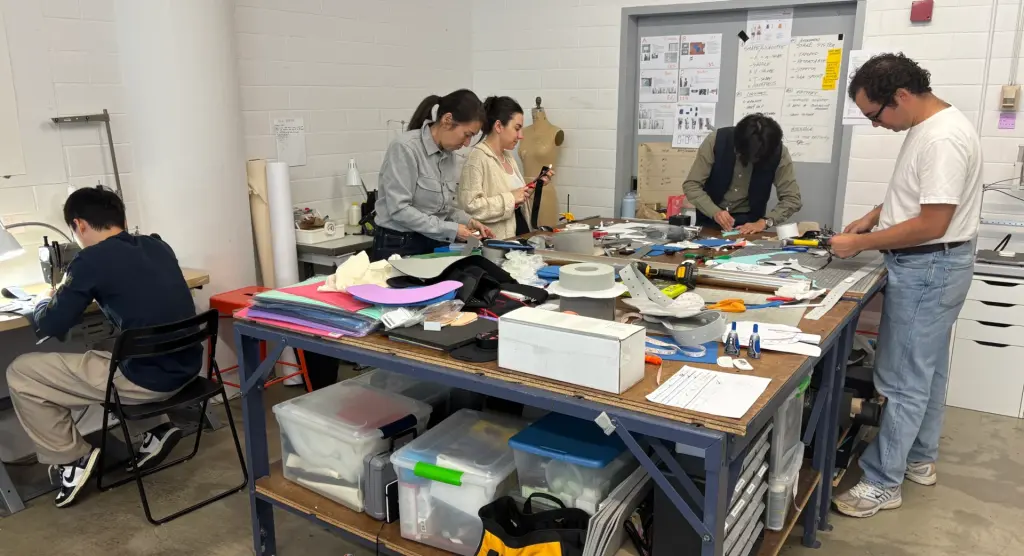
At Interwoven Design, we approach healthcare soft goods as extensions of both the body and the care environment. A brace, garment, or wearable system must accommodate anatomy, movement, and long-term comfort, while also integrating seamlessly into clinical routines. This means accounting for how products are put on and taken off, how they are adjusted, cleaned, shared, or stored, and how they perform across long shifts, repeated use, and changing patient needs. Prototyping and real-world testing are central to this process. Early concepts are evaluated not only for fit and function, but for how they behave in real care scenarios: during patient transfers, extended wear, frequent donning and doffing, or high-movement tasks.

Observing products in context reveals friction points that would be invisible in a purely technical review, informing refinements that improve usability, safety, and adoption.

Design Priorities

Material selection is always important in soft goods design, but in the context of healthcare it plays a critical role. Healthcare soft goods must balance durability with softness, breathability with protection, and structure with flexibility. Fabrics and foams must withstand cleaning protocols, resist wear, and remain comfortable against sensitive skin. Thoughtful construction helps distribute pressure, reduce heat and moisture buildup, and support natural movement, turning functional products into wearable systems that users can rely on over time.

Collaborating with Healthcare Professionals

Just as important as performance materials and ergonomic construction is designing for the people who deliver care. Nurses, technicians, and other healthcare professionals interact with soft goods in fast-paced, high-stakes environments. Products must be intuitive, efficient, and easy to integrate into existing workflows. When soft goods are designed with caregivers in mind, they can reduce physical strain, improve organization, and support safer, more efficient care delivery. At Interwoven Design, we interview and observe healthcare professionals in action in order to deeply understand their needs and their day-to-day tasks. By designing simultaneously for the body and for care delivery, we develop healthcare soft goods that support mobility, comfort, and dignity for patients while enabling clinicians to work more effectively. The result is design that fits the body while also supporting the realities of healthcare.

The Challenges of Designing for High-Impact Healthcare

Soft goods in healthcare sit at a demanding crossroads. They must perform reliably in clinical environments, remain comfortable during extended wear, and adapt to the unpredictable realities of human movement and care delivery. Unlike many consumer products, healthcare soft goods are not optional accessories, they are tools that people depend on daily, often under physical or emotional strain. As a result, long-term wearability is a key challenge. Braces, supports, and clinician-worn systems are frequently worn for hours at a time, across repetitive motions and varied postures.

Poorly distributed pressure, inadequate ventilation, or rigid construction can lead to discomfort, fatigue, or skin irritation, issues that may reduce compliance or interfere with care. Designing for healthcare means anticipating not just how a product fits at rest, but how it performs across an entire day of use.

Integration of soft and hard elements adds another layer of complexity. Many healthcare products must accommodate structural supports, sensors, fasteners, or storage components without sacrificing comfort or mobility. Every seam, closure, and interface becomes a design decision with real consequences for usability and safety. A technically sound system that feels awkward or cumbersome risks being underused, modified incorrectly, or abandoned altogether.

Hygiene and durability further shape the design landscape. Healthcare soft goods must withstand frequent cleaning, exposure to bodily fluids, and institutional laundering processes while maintaining their performance and integrity. Materials and construction methods must be chosen not only for comfort and strength, but for longevity and ease of maintenance.

These challenges represent powerful opportunities for thoughtful design. When soft goods are developed with a deep understanding of healthcare contexts, they can actively improve outcomes. Well-designed products can reduce physical strain for clinicians, support proper body mechanics, improve patient confidence, improve usage rates, and streamline daily workflows. They can also help bridge gaps between clinical settings and everyday life, supporting continuity of care beyond the hospital or clinic. For our design team at Interwoven Design, these constraints are catalysts for innovation. By balancing ergonomics, material performance, and system integration, we create healthcare soft goods that are not only functional, but genuinely supportive of the people who rely on them. 

Case Studies: Design for Healthcare in Action

Healthcare design is ultimately measured in real-world use: how a product performs across long shifts, repeated motions, and moments where comfort, efficiency, and reliability directly affect care delivery. Soft goods play a critical role in how patients move, how clinicians work, and how support systems integrate into daily routines. The difference between a well-intentioned product and a truly effective one often lies in the details: fit, material behavior, adjustability, and how seamlessly a system becomes part of the body. The following case studies highlight Interwoven Design’s approach to healthcare soft goods across different contexts of care.

Case Study 1: Whitecloud Medical Utility Bag

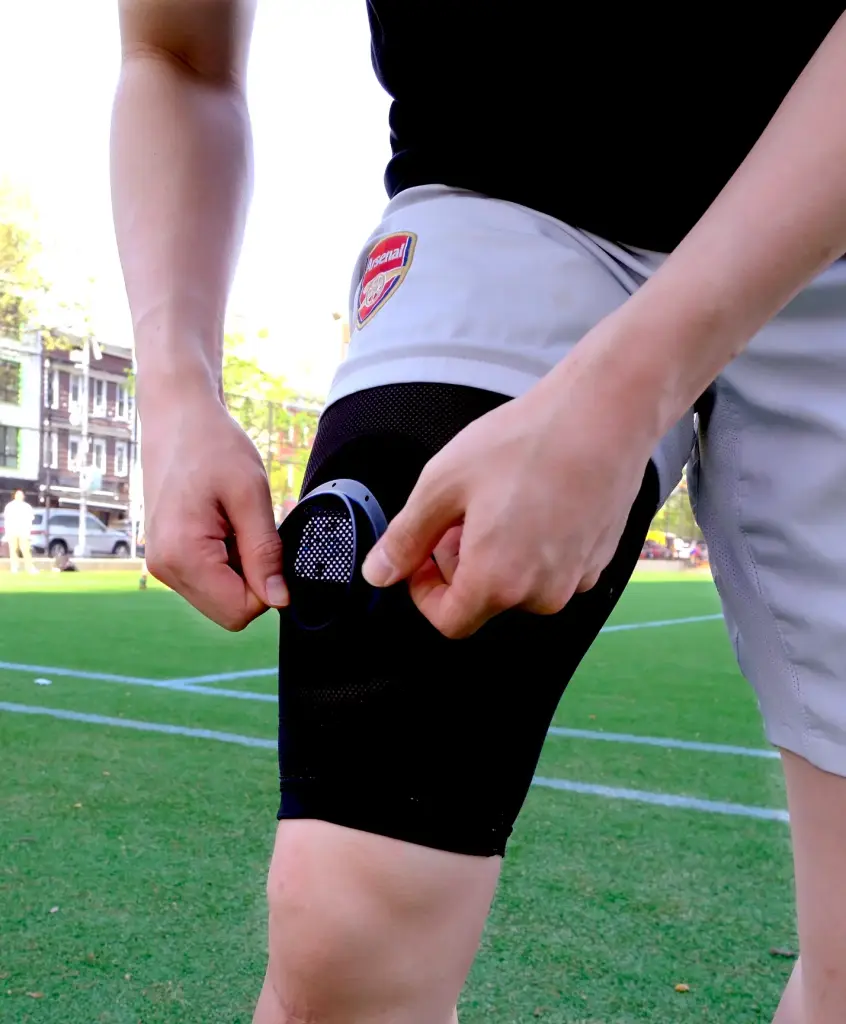
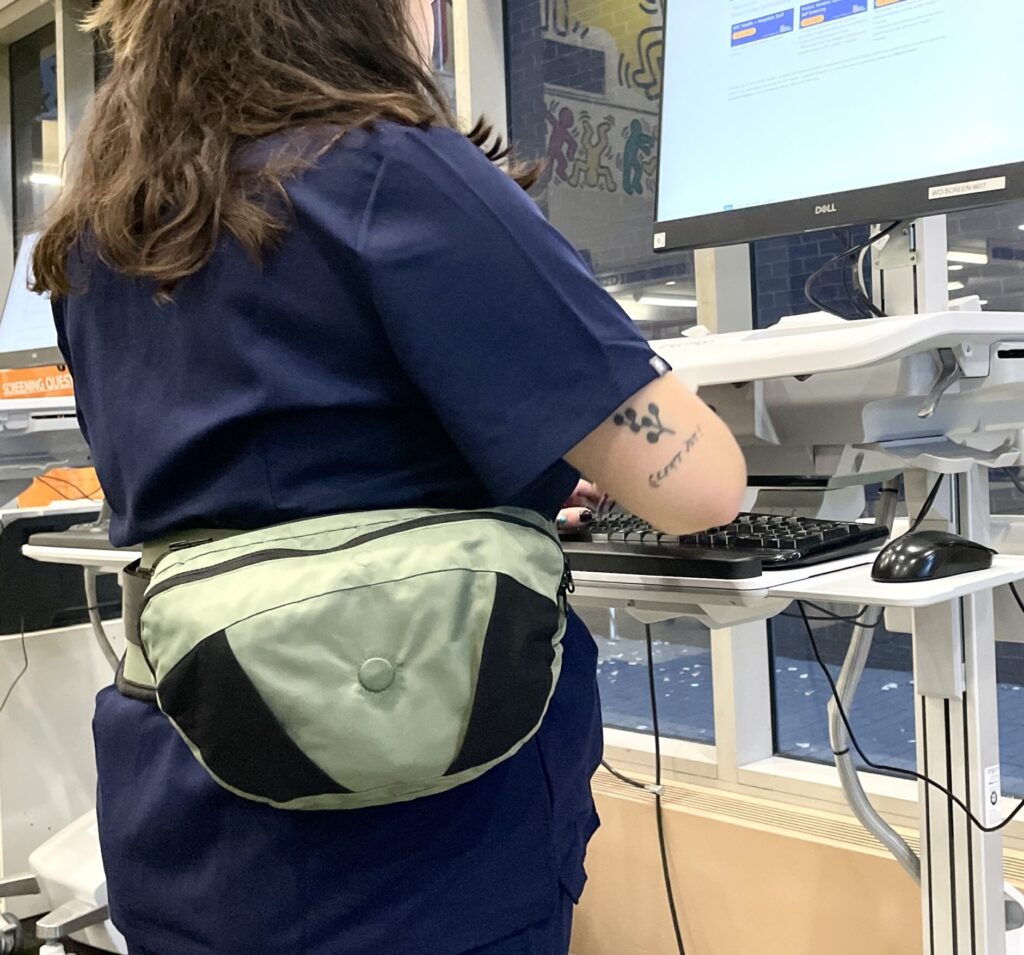
Whitecloud Medical partnered with Interwoven Design to develop a wearable medical utility bag that directly supports the bodies and workflows of healthcare workers on the job. Healthcare professionals operate in environments defined by physical intensity, constant movement, and limited margin for error. Nurses and medical technicians routinely lift patients, transport equipment, and transition rapidly between tasks, all while carrying the tools they need to deliver care. Over time, this combination of physical strain and inefficient load carryingcontributes to fatigue, musculoskeletal injury, and reduced focus on patient care. 

The Design Challenge

In clinical settings, caregivers often rely on overfilled pockets or ad-hoc storage to keep essential supplies within reach. At the same time, repeated lifting, bending, and twisting place significant stress on the lower back. Existing solutions typically addressed these issues in isolation, either offering storage without ergonomic support or back braces without functional integration into daily work routines. The challenge was to design a single, wearable that could reduce physical strain while improving access to tools without restricting movement or adding complexity during fast-paced clinical work.

Our Approach

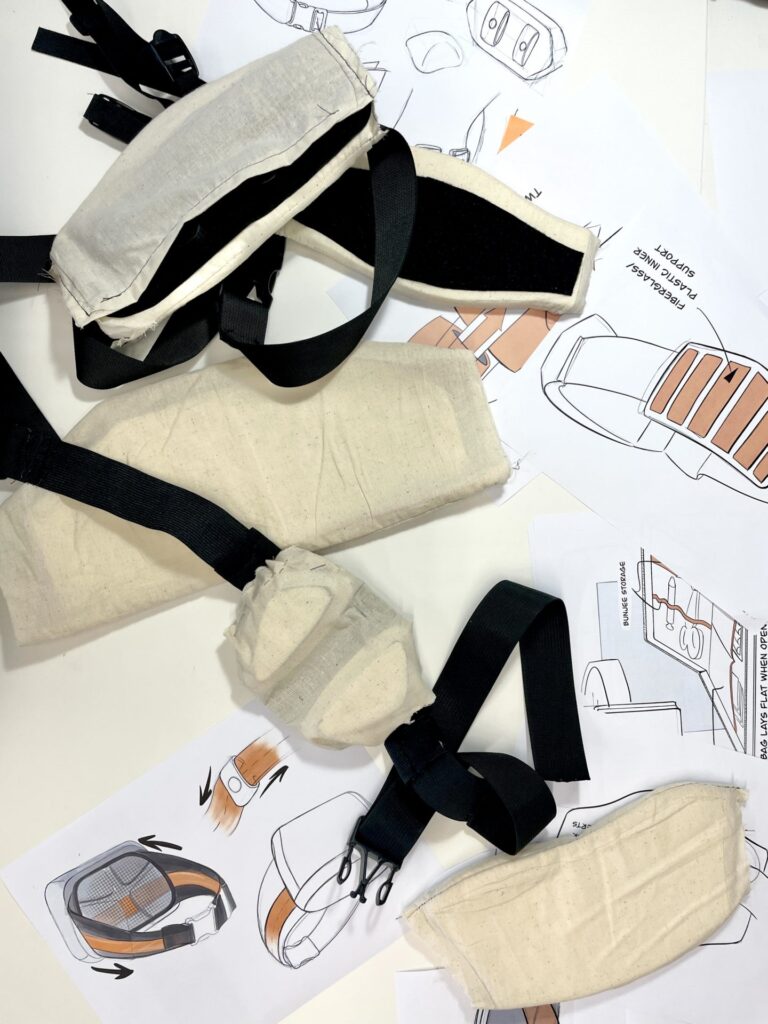
Interwoven Design developed a modular utility system that integrates a supportive back brace with a flexible waist-mounted storage solution. The utility bag can slide along the belt for quick, one-handed access to supplies or be secured over the back support during physically demanding tasks. Both components can be detached and used independently, allowing caregivers to adapt the system to different roles, shifts, or levels of activity.

Soft goods construction was central to the design. Materials were selected for durability, comfort, and long-term wear, ensuring the system could withstand repeated use while remaining comfortable against the body. Interior organization was carefully considered, with dedicated compartments for a curated suite of medical tools, consumables, and personal items, reducing the need for overloaded pockets and minimizing unnecessary movement during care delivery.

Impact

The Whitecloud Medical Utility System supports healthcare workers where it matters most: at the intersection of physical health and daily efficiency. By combining ergonomic back support with accessible, body-centered storage, the design helps reduce strain, improve posture during demanding tasks, and streamline workflows throughout long shifts. The result is a wearable solution that not only protects the caregiver’s body but also enables them to focus more fully on their patients, demonstrating how thoughtful soft goods design can directly support the people who deliver care every day.

Case Study 2: Breg CrossRunner™ Soft Knee Brace

Breg, a leader in orthopedic bracing solutions, partnered with Interwoven Design Group to develop the next generation of their soft, hinged knee brace product line, with a focus on comfort, adaptability, and clinical performance. Orthopedic bracing plays a critical role in healthcare by supporting mobility, reducing pain, and enabling patients to stay active during recovery or long-term joint management. For individuals managing knee instability, ligament injuries, or early-stage osteoarthritis, a brace must do more than provide support, it must integrate comfortably into daily life to ensure consistent use and positive outcomes.

The Design Challenge

The challenge was to create a versatile knee brace system that could serve a wide range of patients and clinical indications, from mild osteoarthritis to a range of ligament injuries. The product needed to deliver reliable mechanical support while remaining lightweight, breathable, and easy to use. For patients, ease of donning and doffing, comfort during extended wear, and a low-profile appearance were essential to encourage adherence. For clinicians, consistent hinge alignment, predictable sizing, and clear functional differentiation across models were critical to effective prescription and fitting.

Our Approach

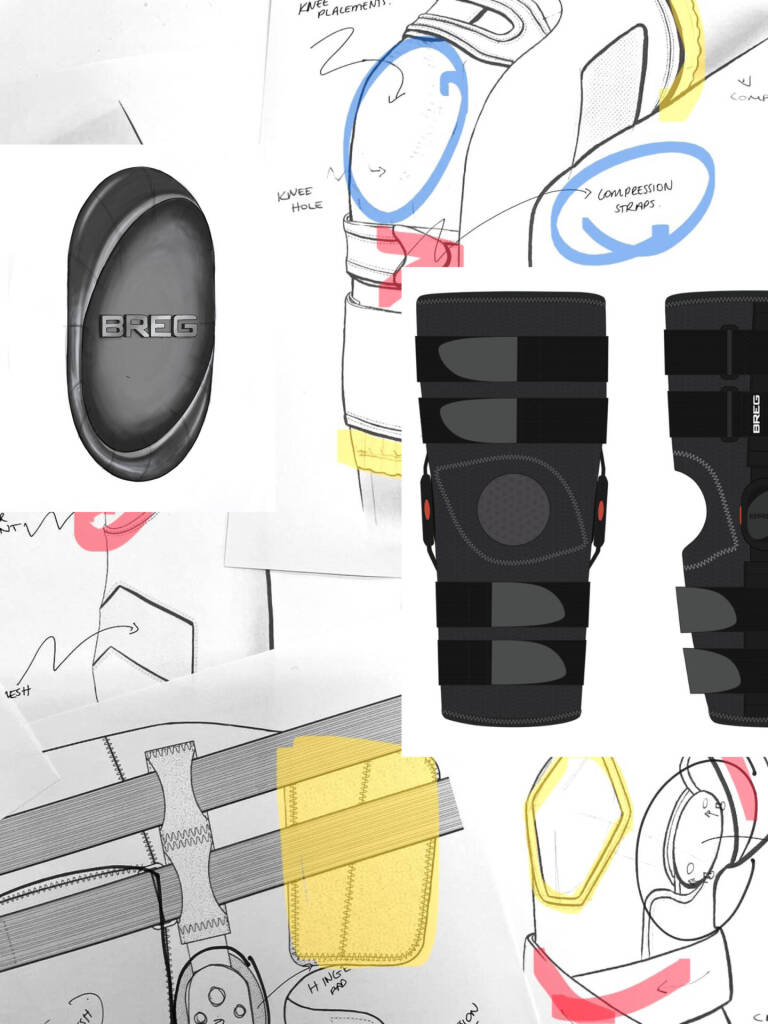
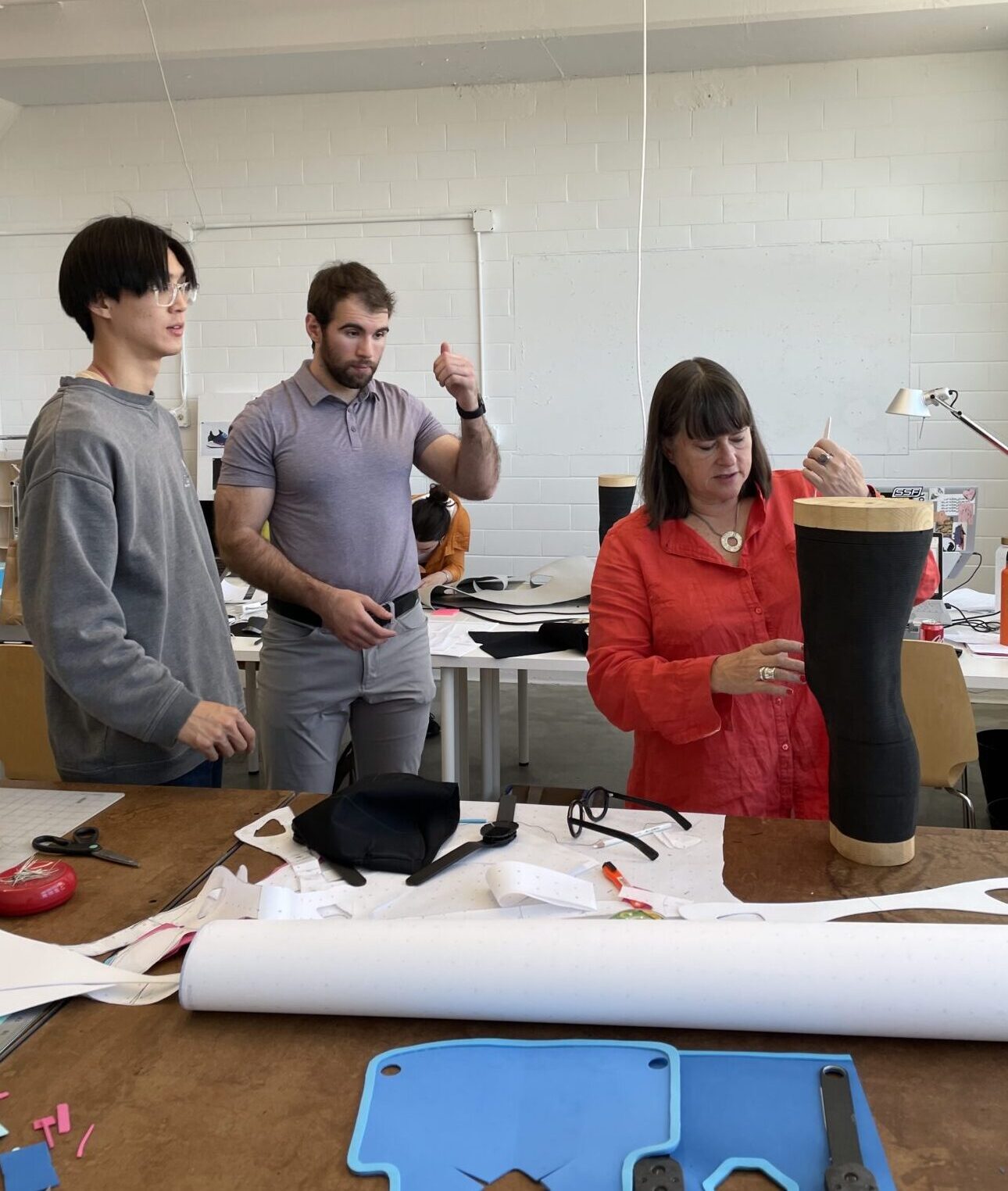
Interwoven Design worked closely with Breg’s internal engineering and manufacturing teams to develop a cohesive, patient-centered brace system. Early concept development focused on understanding user interaction with the brace: how it feels to put on, adjust, and wear throughout a full day of movement. Mood boards and design research established a visual and functional language rooted in anatomy, clarity, and ease of use.

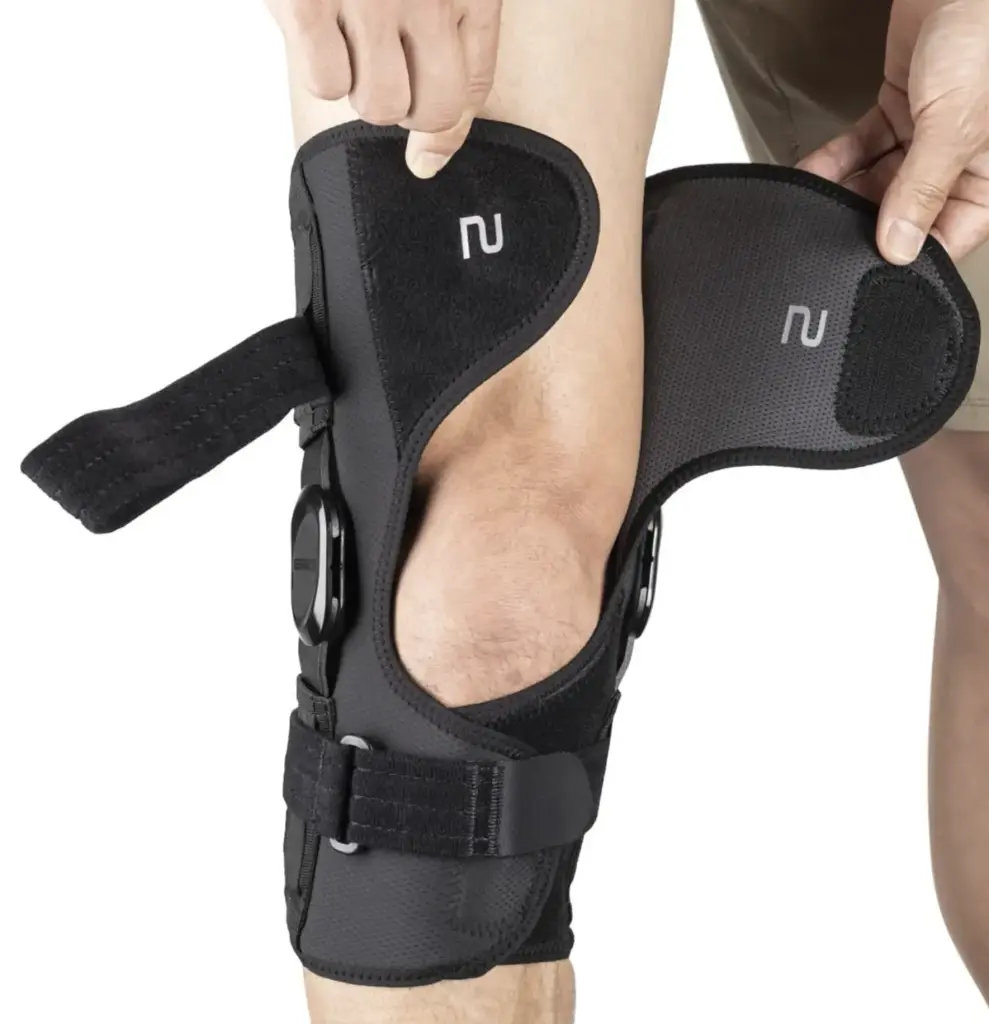
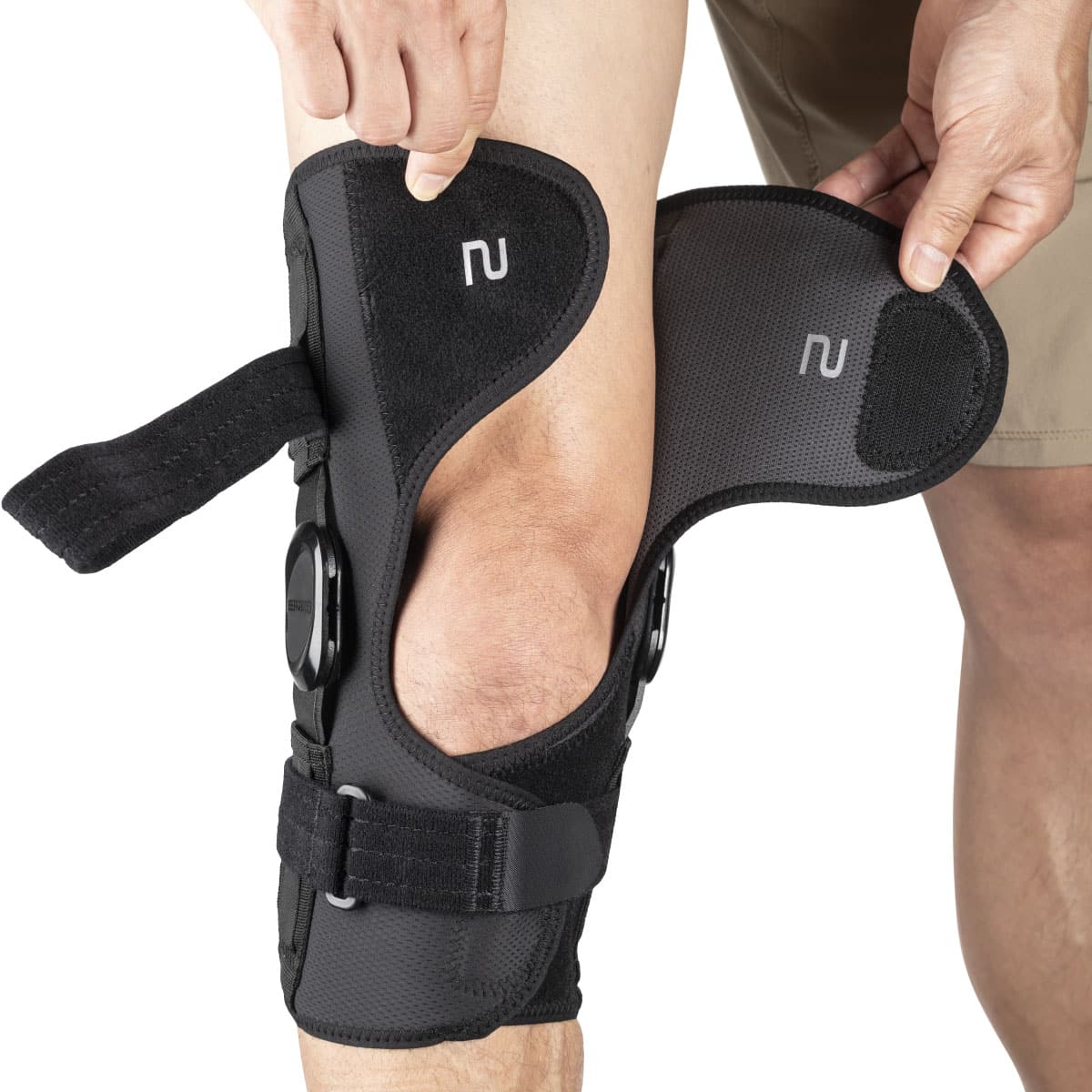
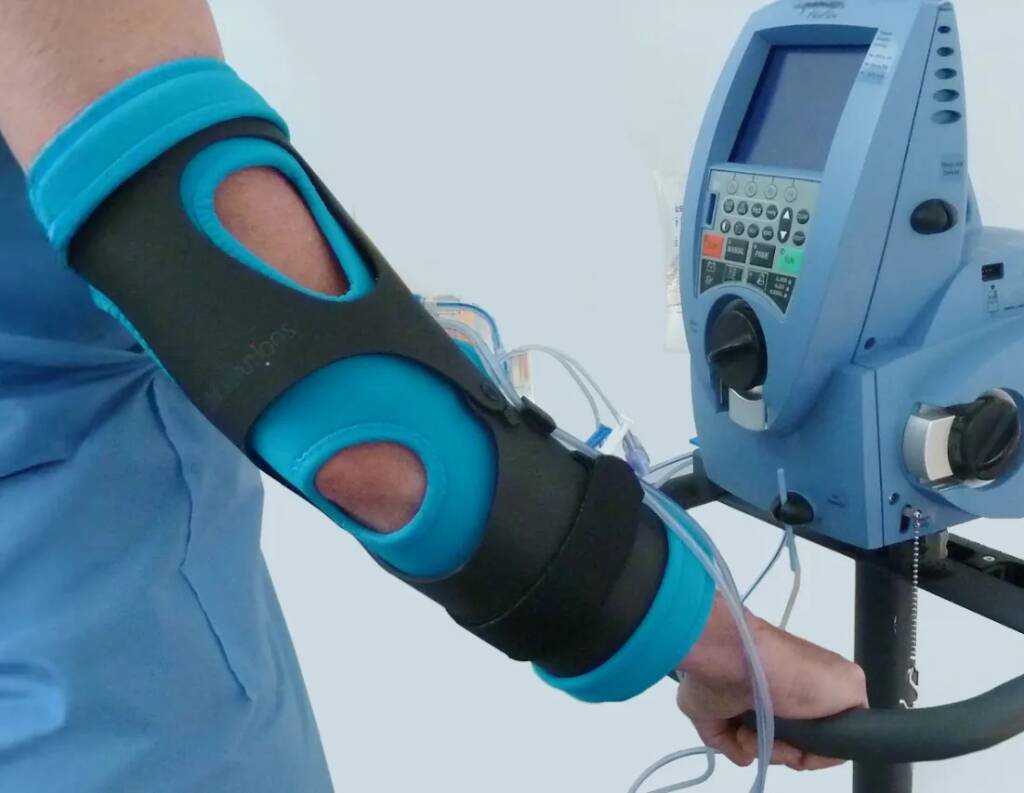
Through 2D sketching and 3D foam mockups, the team explored compression zoning, material placement, and hinge positioning to balance stability with comfort and thermoregulation. The resulting CrossRunner™ line features four configurations—wraparound, pull-on, long, and short—ensuring that clinicians can select the most appropriate solution for each patient’s anatomy, condition, and lifestyle.

Soft goods design was central to the brace’s performance. The body of the brace utilizes Breathefit™ fabric, combining neoprene and Airmesh® to deliver therapeutic compression while maintaining breathability during extended wear. A sleek, low-profile hinge with customizable range-of-motion stops allows clinicians to fine-tune support while preserving a streamlined, wearable form. Interwoven also designed key user-facing elements including strap configurations, hinge covers, tabs, bindings, branding, and colorways; details that improve usability, durability, and overall patient experience.

Technical Development and Production Support

To ensure accurate fit and clinical reliability, Interwoven collaborated with Breg to develop custom leg forms representing each brace size and led the size grading process across eight distinct sizes. Technical patterns were engineered to maintain consistent hinge placement across diverse leg shapes, a critical factor in brace effectiveness. Detailed CAD drawings and technical documentation clearly communicated material layers, strap alignment, and construction details to Breg’s manufacturing team. 

Interwoven remained engaged through sampling, refinement, and production, supporting quality control and ensuring the final product met both clinical and manufacturing standards. This ongoing collaboration helped translate design intent into a scalable, high-quality medical product.

Impact

The Breg CrossRunner™ Soft Knee Brace delivers a patient-centered solution that supports mobility, comfort, and confidence throughout recovery and daily activity. By combining precise orthopedic function with thoughtful soft goods design, the brace encourages consistent wear, which is an essential factor in achieving positive clinical outcomes. For healthcare providers, the cohesive product line simplifies fitting and prescription, while offering adaptable options for a wide range of conditions.

Designing Systems of Care

Healthcare extends beyond the treatment of illness. It encompasses the everyday systems that support wellbeing: comfort during long hours, mobility through recovery, efficiency in demanding environments, and emotional reassurance in moments of uncertainty. While medical care often focuses on diagnosis and intervention, healthcare design must account for the lived experience of both patients and the professionals who care for them. This is where soft goods play an essential, and often underappreciated, role. A knee brace is not just a product; it is part of a recovery process. A utility bag is not just storage; it is a mobile workstation for a nurse navigating a twelve-hour shift. 

Soft goods function as the quiet infrastructure of healthcare. When designed well, they fade into the background, supporting movement, reducing strain, and enabling care without calling attention to themselves. When designed poorly, they become barriers: restricting motion, causing discomfort, or adding friction to already complex workflows. Their impact may be subtle, but it is deeply felt across long shifts, repeated use, and extended recovery periods. Every design decision must account for a complex web of users, environments, and expectations. 

At Interwoven Design, we believe healthcare products should work with people, not against them. Our approach centers on designing systems that support care teams, protect bodies, and respect the physical and emotional realities of healthcare environments. By integrating soft goods expertise with human-centered thinking, we create solutions that align performance with comfort, structure with flexibility, and durability with dignity.

We collaborate with healthcare innovators, medical companies, and care organizations who recognize that better care is built through thoughtful design. Together, we design soft goods that elevate care delivery, strengthen wellbeing, and improve the human experience at every point of contact.

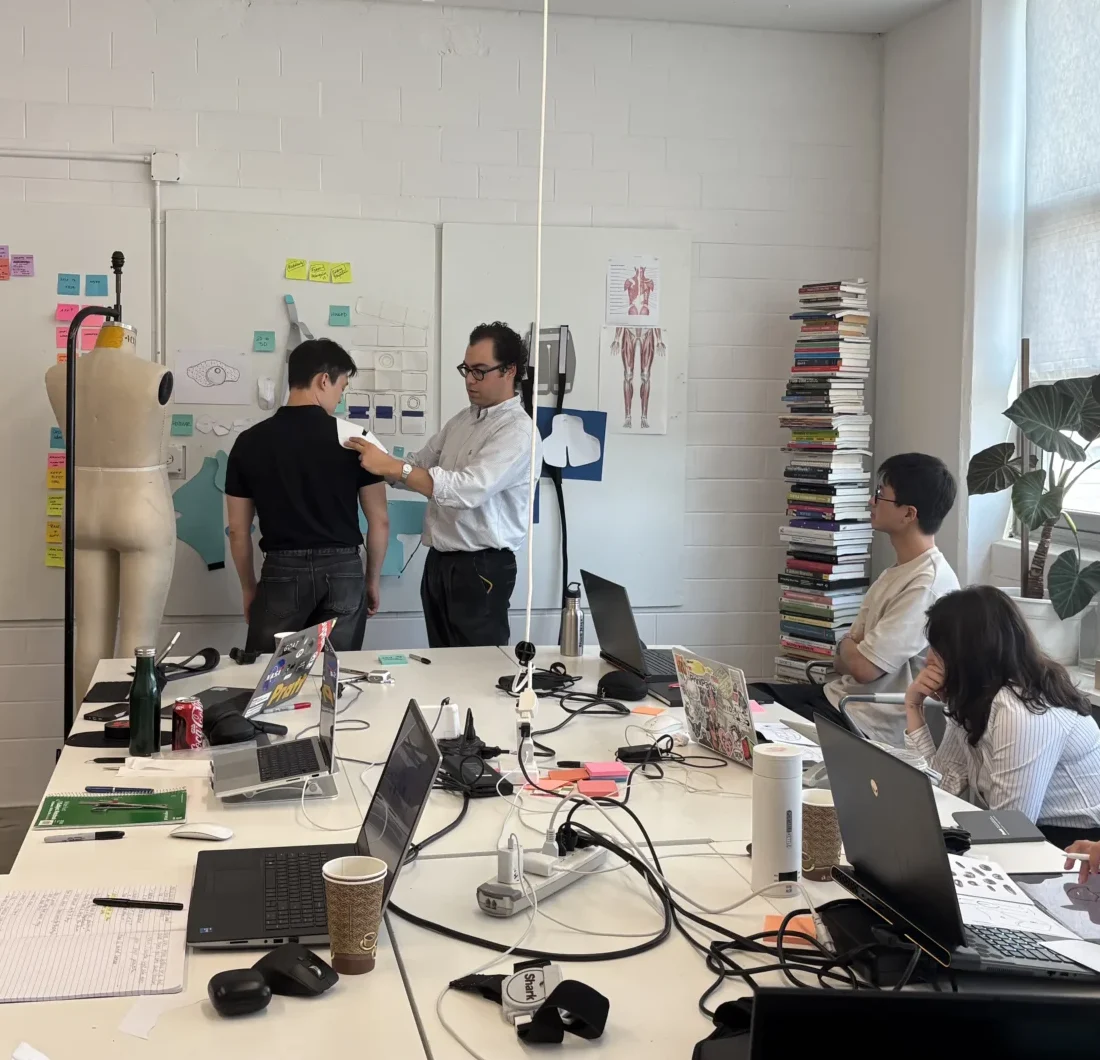
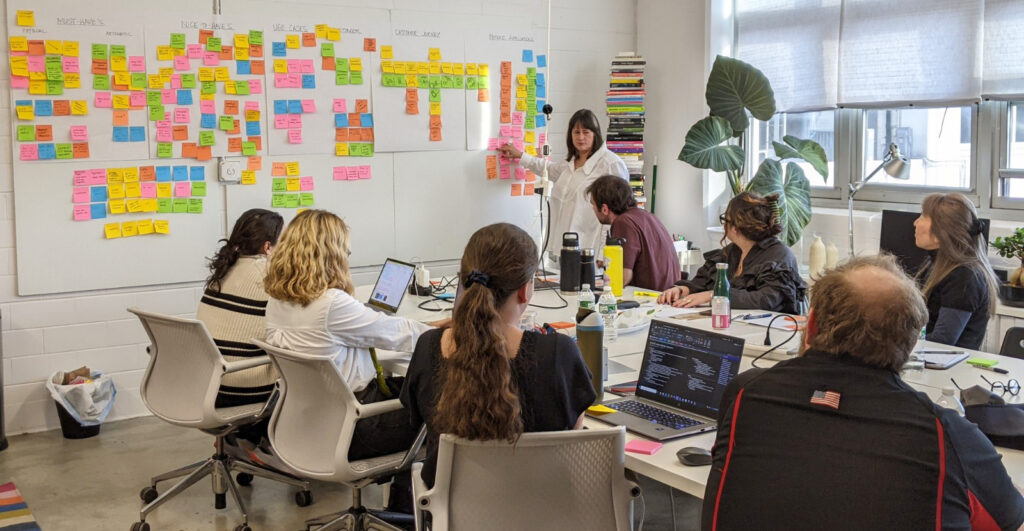
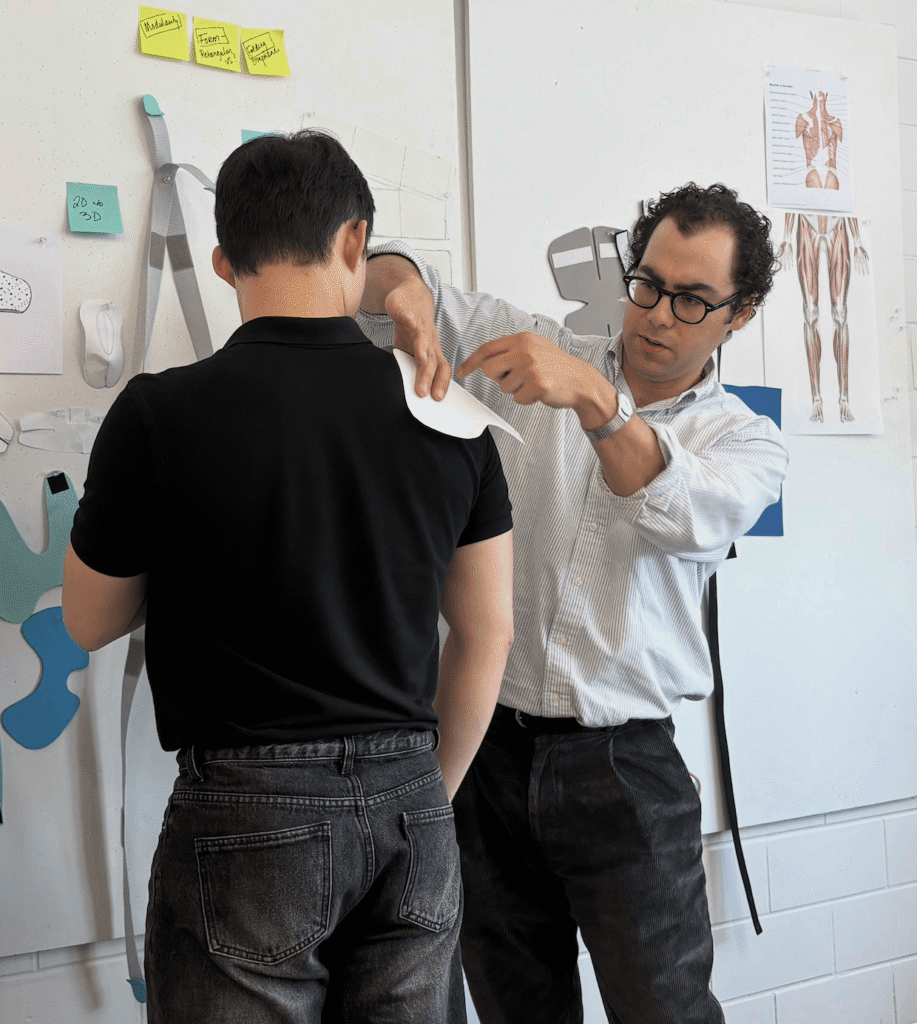
Client Meeting for Koldbot at Interwoven Design Group

Interwoven Design is a design consultancy that is positioned at the intersection of soft goods and wearable technology, creating products that function with the body and offer comfort as well as the superb performance that arises through the innovative incorporation of rigid, often electronic and responsive elements. Sign up for our newsletter and follow us on Instagram and LinkedIn for design news, multi-media recommendations, and to learn more about product design and development!


A Q&A with Biomaterials Innovator Aaron Nesser

A Q&A with Biomaterials Innovator Aaron Nesser

Spotlight articles shine a light on designers and design materials we admire. Our founder and principal designer Rebeccah Pailes-Friedman has met many wonderful designers in her time in the industry, and in our Spotlight interviews we ask them about their work, their design journey, and what inspires them. In this interview we spoke with Aaron Nesser, the biomaterials innovator behind the seaweed-derived yarn, AlgiKnit, which started as a student project.

Aaron is a scientist and a designer, a powerful and unusual combination of skills that places him at a fascinating intersection in the design world and makes him the ideal person to ask about biomaterials. He is the CTO and co-founder of AlgiKnit, the flagship product of which is a compostable yarn made from kelp, one of the most regenerative organisms on earth. He is dedicated to sustainable efforts that promote a circular economy. We asked him about what he’s working on, what’s exciting to him about biomaterials, and his hopes for the future of the biomaterials industry.

Spotlight: Aaron Nesser
Photo courtesy of Aaron Nesser.

“The best moments of collaboration happen between teams and across disciplines.”

Q: What are you working on that’s interesting to you at the moment? 

A: We’ve recently opened up a new office in North Carolina and it’s spawned all sorts of interesting projects. One of those projects has been sourcing furniture. We have a big space — over 14,000 ft 2— and the idea of outfitting it with all new furniture seemed a bit outlandish for a company like ours that is built around sustainability. Picking up a desk or a chair at a thrift store is one thing, but finding 10, 20, 30 of them, and making them fit into a cohesive style is a whole different thing. Apart from saving money and avoiding climate emissions, working with all of this second hand furniture has pushed us to come up with some really creative solutions to fit things together. It’s been a blast putting the puzzle together.

Q: How did your company start, and what were some of your early challenges in its development? 

A: In 2016, my co-founders, Aleksandra Gosiewski, Tessa Callaghan, and I started working together as part of the first Biodesign Challenge. It’s a competition where students across disciplines work together to create innovative applications of biotechnology. We all shared an interest in materials and in fashion’s impact on the environment, and wanted to do something about it. We won the challenge with a textile material derived from a seaweed biopolymer, and that’s how the idea behind AlgiKnit was born. 

One of the challenges we’ve faced comes from our sustainability-first mindset. Reacting to the 20th century mentality that valued performance above any other aspect, we started by defining sustainability parameters. We then experimented with materials that fit into that space even though they didn’t have the full performance we needed. Our challenge has been to use sustainable chemistry and process to hit performance metrics that a 20th-century chemist wouldn’t have thought possible without using synthetic additives. Our decisions over the last 5 years have reaffirmed our sustainability-first approach over and over again, and that has put the company in this amazing position where it would actually be much harder to compromise on sustainability than to maintain it. 

Q: Could you tell us about the material properties of your product and what makes it special?

A: Our product is a seaweed-derived yarn made from biopolymers of kelp. We leverage green chemistry to create a patented, drop-in solution that can be utilized in existing fiber, yarn and textile production infrastructure. Our process is grounded in the use and creation of clean, non-toxic inputs and outputs. This minimizes our footprint while maximizing the impact of our technology. Kelp is amazing. It’s a renewable and regenerative resource that fights ocean acidification and captures carbon. It has a look and feel that is similar to other natural fibers but our yarn differs from other biomaterials in that the majority of it is bio-based. It can also be used in conventional textile processing and production techniques, which is unusual for many biomaterials. 

Q: What do you see as the most compelling or promising applications of this innovative material? 

A: For sustainable biomaterials as a whole, my dream is to see them drop-in to any of today’s best products without fuss. We’ve built so many effective systems to make and sell products that we use everyday—from factories to supply chains to iconic designs. The most compelling aspect of our material, and materials like it, is that we won’t need to build an all-new system to realize the advantages of these sustainable biomaterials. It means that we can get to a sustainable future faster, without the time and emissions required to build completely new infrastructures and products. 

Q: Could you share some examples of biomaterial applications that are exciting to you?

A: I’m always interested in cool applications for seaweed and seaweed based-materials—one that comes to mind is a new company called Vyld. Founded by Ines Schiller, they are a start-up making the first tampon (or “kelpon”) from seaweed. Vyld is a great example of how to replace legacy materials with sustainable biomaterials and in the process make a product better, safer and more sustainable than what is available today. 

Another is Kelp Blue. They’ve designed an off-shore kelp farming system that they’re now in the process of building off the coast of Namibia. While kelp has an awesome ability to draw down carbon year after year, the kelp forest ecosystem is not naturally expanding. Kelp Blue plans to build infrastructure to create thousands of hectares of new kelp forest, that would draw down over a million tons of CO2 annually and produce raw materials to go towards producing sustainable products.

Q: Could you talk about what collaboration looks like in your work? 

A: The best moments of collaboration happen between teams and across disciplines. We all go so deep into our areas of expertise that it’s easy to come into collaborative work speaking somewhat different languages. My favorite parts of collaboration happen when a group reaches a new understanding or a process, a concept, even something as simple as a word that we all had understood to be something different. Creating the space to successfully navigate these interfaces of common understanding has been crucial to our success. Those moments of realization where everyone syncs up are deeply satisfying and fun.

Q: If I were a creator looking to use your material for a project, how would I go about it? 

A: We are currently exploring the use of our material in fashion (primarily in accessories and garments), home furnishings, and interiors – really, wherever textiles have an application. We want to work with designers, brands and partners who share our desire to transform the textile industry’s wasteful and harmful systems of production.

Q: I saw that you recently closed millions in Series A funding, what does that mean for you going forward? 

A: Our Series A was a huge accomplishment for us in terms of allowing us to scale the production of our material. In July, we opened our new headquarters in the Research Triangle Area of North Carolina. We are working to scale production at this new facility, first to support brand-pilots and then to grow to commercial-scale production. It’s a big step forward as we work to make our material more accessible. We are also actively hiring to build out our team in North Carolina, specifically around chemical engineering, textile science, and business development.

Q: What do you see in the future of the biomaterials industry? 

Biomaterials as a category will continue to grow—in our changing-climate world, where carbon will have an increasingly important role in decision making, biomaterials are the only class of materials that will be able to fill the gaps and continue growing. One challenge that we’ll have to sort out as an industry is how to ensure alignment between sustainability and biomaterials. Though the word has a feeling of newness and progress, some of the biggest biomaterials today are still part of the highly polluting ecosystem of legacy materials due to the way they are grown and produced. Part of a successful biomaterial future will be to elevate climate-positive biomaterials, and to shed any climate-harming material regardless if it is synthetic or bio-based.

Check out the rest of our Insight series to learn more about the design industry. Sign up for our newsletter and follow us on Instagram and LinkedIn for design news, multi-media recommendations, and to learn more about product design and development!