Soft + Hard Integration: Bridging Two Worlds in Wearable Design
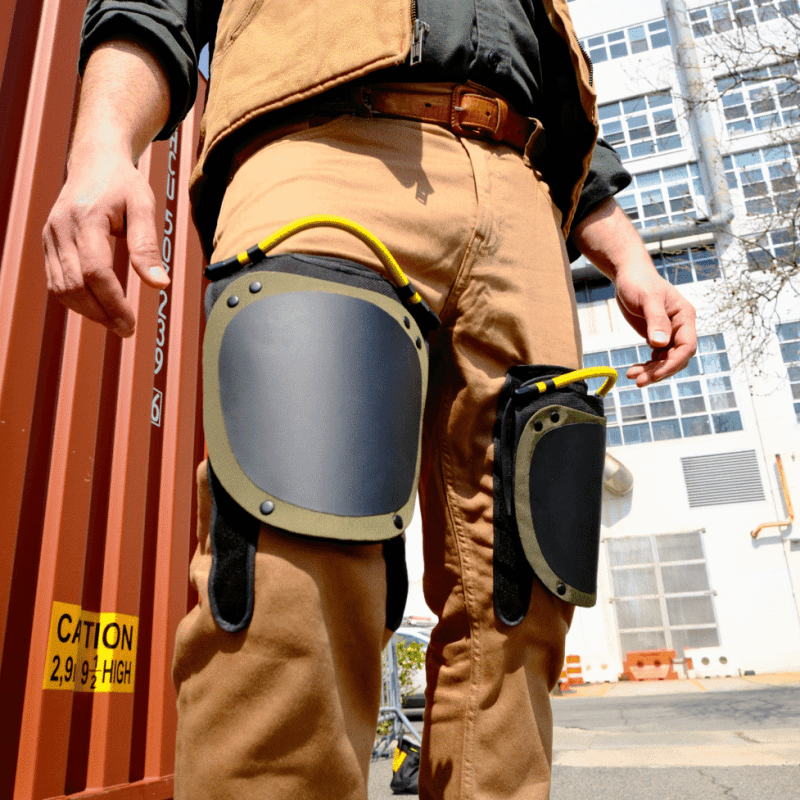
Many wearable products are defined by the interaction between soft and rigid components. A garment may incorporate sensors, batteries, housings, cables, connectors, or medical hardware. Even relatively simple products often rely on rigid elements such as zippers, buckles, snaps, buttons, or adjustment mechanisms. Each component serves a distinct purpose, but all of them must work together within a system that is ultimately designed for the human body.
This juxtaposition creates a unique design challenge. Soft goods and hard goods are governed by very different rules. Many textiles are flexible, adaptive, and responsive to movement. Hard components are typically rigid, precise, and fixed in their function. The two categories are often designed using different materials, different manufacturing processes, and even different engineering disciplines. When integrated into a wearable product, they need to be experienced as a single object. The success of that object often depends less on the individual components than on how they come together. A perfectly engineered sensor can fail if it cannot maintain contact with the body. A thoughtfully designed garment can lose its effectiveness if it cannot securely support the hardware it was designed to carry. In wearable products that integrate hard goods and soft goods, the design challenge lies not in the soft component or the hard component, but in the interface between them.
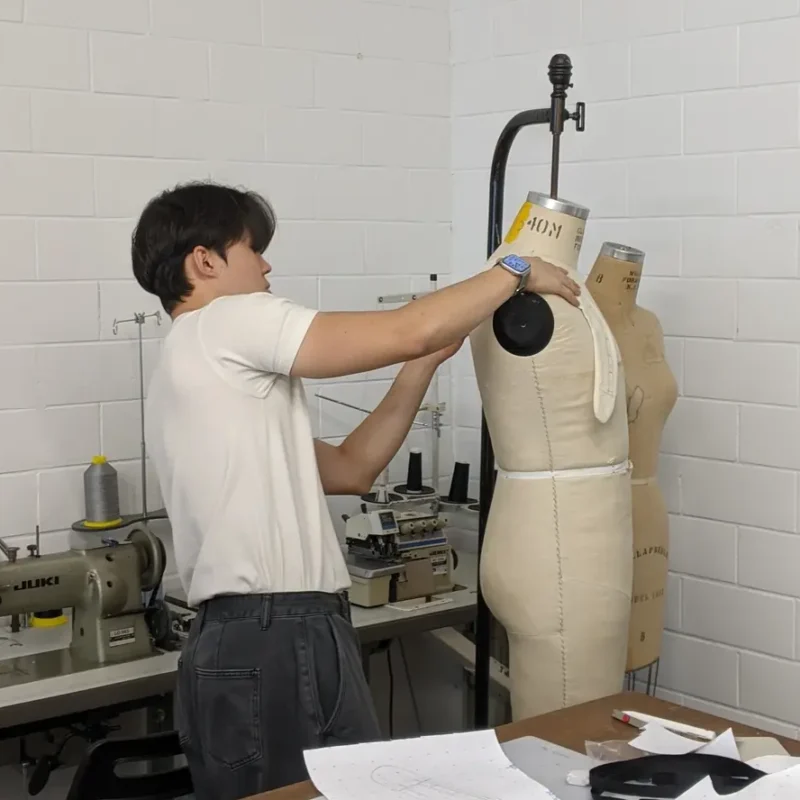
At Interwoven Design, this intersection is a growing focus of our work across wearable technology, medical devices, and connected products. In this Insight article, we explore the challenges of integrating rigid and flexible systems, how designers and engineers work together to manage movement, manufacturability, and electronics, and why successful wearable products depend on treating hard and soft components as parts of a single, cohesive system.
Designing the Interface
Soft and rigid components are designed to do fundamentally different things. Textiles are expected to flex, stretch, conform, and move with the body. Hard components often provide structure, protection, precision, or functionality. Left on their own, these goals can naturally conflict. A rigid enclosure may create pressure points. A flexible textile may allow unwanted movement. A connector, zipper, hinge, or electronic module that performs well mechanically may create challenges for comfort, fit, or usability. The role of the designer is to resolve these competing requirements. The goal is to create enough stability for the hardware to perform its function while preserving the comfort and freedom of movement users expect from a wearable product.
Often, the most important design decisions occur at the interface between soft and hard components. The placement of a mounting point, the geometry of a housing attachment, the reinforcement of a high-stress area, or the construction of a transition between rigid and flexible materials can have an outsized impact on the overall user experience. These details may seem minor when viewed individually, but collectively they determine whether a product feels cohesive or compromised. When integration is successful, users rarely distinguish between the soft and hard elements of a product, they simply experience a wearable that feels secure, comfortable, and intuitive to use. The rigid components perform their function, the soft structure supports them effectively, and the boundary between the two largely disappears. That seamless integration is the design challenge; the interface is where the product itself is defined.
Managing Movement
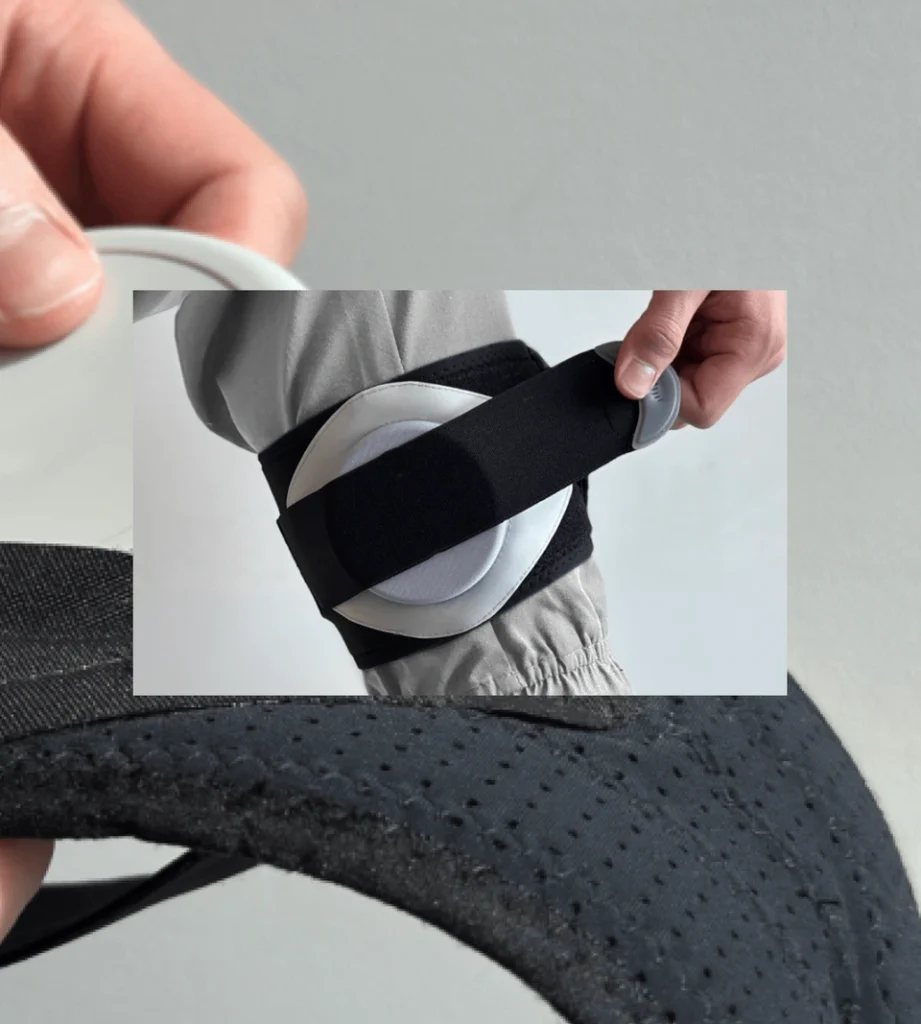
Designing the interface between soft and rigid components is only the beginning. The greater challenge is ensuring that the relationship remains effective once the product is on the body. Unlike most traditional hard goods, wearable products exist on a body that is constantly in motion. As the wearer bends, twists, reaches, walks, or changes posture, the distance, angle, and forces acting on every component continually change as well.
This presents a sticky problem for rigid hardware. Many hard components perform best when they remain in a precise location. Sensors may require consistent contact with the body, protective elements may need to stay properly aligned, and electronic modules often rely on stable positioning for both comfort and functionality. Left unmanaged, normal body movement can cause components to shift, rotate, bounce, or create unwanted pressure against the wearer.
Soft goods play a critical role in solving this problem. Through pattern development, material selection, and structural reinforcement, designers can control how movement is distributed throughout a wearable system. Rather than attempting to eliminate movement altogether, the goal is to guide it. Certain areas may be designed to flex freely, while others provide stability and support. Materials can stretch in one direction while remaining more controlled in another. Construction details can help maintain alignment without making the product feel restrictive.
This balancing act is particularly important in wearable technology, where functional performance and user comfort are inseparable. A sensor that loses contact during activity cannot collect reliable data. A battery pack that shifts during movement may become distracting. A protective device that migrates out of position may lose effectiveness. In each case, the success of the hardware depends on how well the surrounding soft goods manage movement.
When integration is successful, the hardware feels less like something attached to the body and more like part of the wearable itself. The product maintains its intended function, accommodates natural motion, and remains comfortable throughout use. Achieving that outcome requires designers to think not only about where components are placed, but how they will behave through thousands of movements over the life of the product.
Case Study: Knightscope
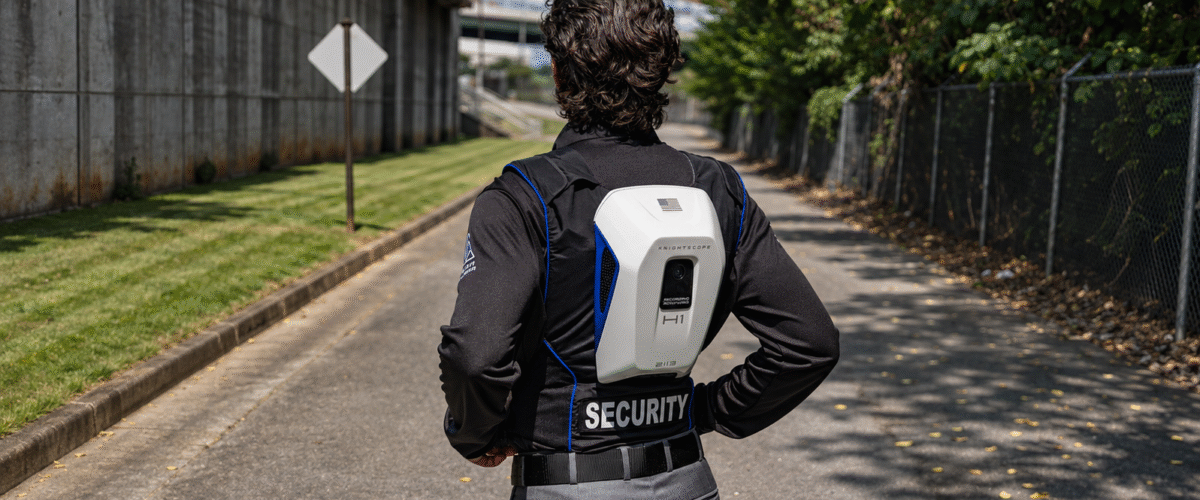
These challenges become particularly evident in wearable systems that must support multiple electronic components while remaining comfortable during extended use. One example is Interwoven Design Group’s collaboration with Knightscope to develop a multi-sensor wearable platform for private security agents.
The system integrates cameras, computing hardware, batteries, and supporting electronics into a body-worn vest designed for extended daily wear. The project demonstrates how the placement and integration of rigid hardware directly influence the design of the surrounding soft goods, requiring both systems to be developed together to accommodate the wearer’s movement, comfort, and functional needs.
Design Objective
The primary objective is to transform Knightscope’s initial proof of concept into a more refined, wearable system through iterative Alpha and Beta prototype development. With agents expected to wear the device for 8 to 12-hour shifts, the design must balance hardware integration, weight distribution, adjustability, and comfort during both standing and seated activities.
Rather than treating the vest as a simple carrier for electronic components, the design process focuses on integrating Knightscope’s hardware requirements into the soft goods structure, ensuring that both systems work together as a cohesive wearable product.
Key Features & Considerations
A central consideration is how the vest supports and organizes its electronic components and cabling without restricting natural body movement. The placement of cameras, computing hardware, batteries, and internal wire routing influences the garment’s overall structure, fit, and weight distribution. The battery, in particular, presented a challenge due to its size and thickness, requiring strategic positioning to avoid interfering with the wearer’s movement or comfort. At the same time, the soft goods must provide stable attachment points while maintaining comfort and adjustability throughout extended shifts.
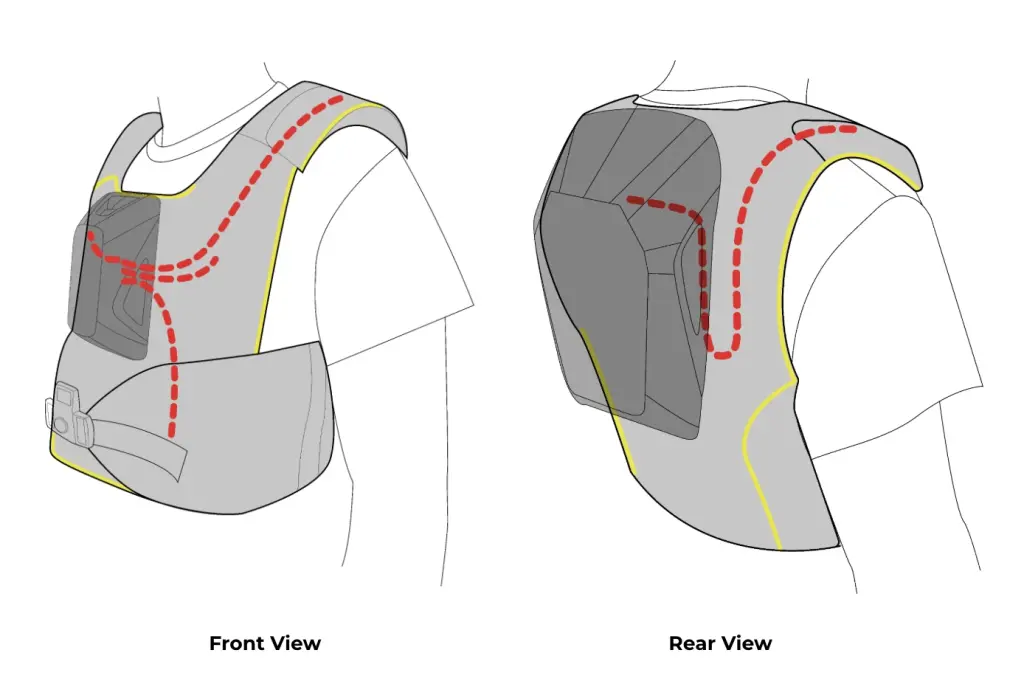
Beyond the size and weight of individual components, their positioning on the body requires deep understanding of how agents move throughout their shifts. A module that feels comfortable while standing may create pressure or restrict movement when sitting, bending, or driving.
Cable routing presents an additional challenge, as connections between modules must be accommodated within the garment’s construction while allowing for dynamic movement, service access, and efficient assembly. Emergency doffing was another critical factor in the soft goods design. To minimize the number of steps required to remove the vest in an emergency, the team developed a quick-release configuration using hook-and-loop Velcro closures at the wearer’s left shoulder and side panel. By releasing these two attachment points, the vest can be separated from the body instantly without pulling it over the head. This approach demonstrates how thoughtful soft goods construction can address safety and usability alongside hardware integration.
Through successive prototypes, the team has refined component placement, mounting methods, and garment details in response to updated hardware requirements and design reviews. These revisions demonstrate how changes to rigid components can directly influence the surrounding soft goods, requiring both systems to evolve together.
Design Insight
The Knightscope project illustrates why successful wearable technology depends on more than securing electronics to a garment. Every hardware decision, from component dimensions to mounting locations, has direct implications for fit, movement, comfort, and assembly. Beyond simply housing electronic components, the vest’s construction plays a critical role in how the entire wearable system functions. Through iterative prototyping and close collaboration with Knightscope, Interwoven Design team continues to refine these interconnected elements to create a more cohesive, deployment ready wearable system.
Designing for the Realities of Production
Integrating hard and soft components requires creating a system that can be manufactured reliably, assembled efficiently, and withstand the demands of real-world use. Many wearable concepts that perform well in early development encounter new challenges once questions of production, durability, and serviceability enter the conversation.
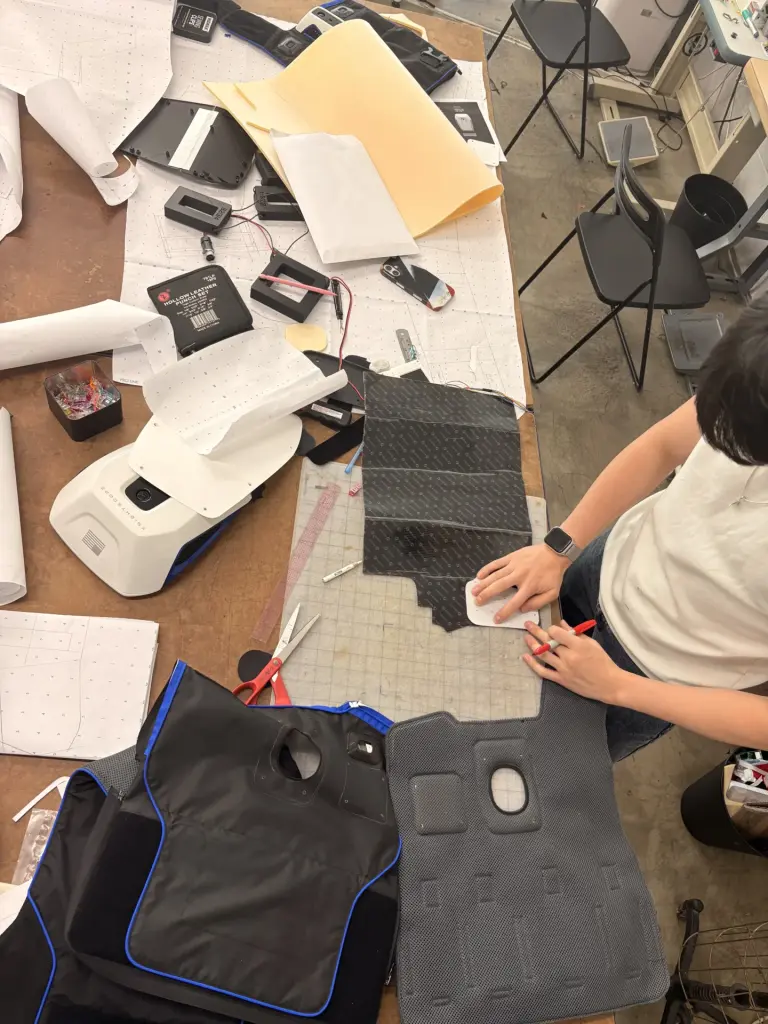
Integrated wearables often bring together multiple production methods. Textiles may be cut, sewn, bonded, or welded, while rigid components may be molded, machined, or assembled separately before becoming part of the final product. Each process introduces its own tolerances, constraints, and requirements. Designing a successful wearable means accounting for these realities from the beginning rather than treating them as downstream considerations.
Electronics introduce an additional layer of complexity. Wires, connectors, batteries, and sensors must be protected while remaining compatible with a structure designed to flex, bend, and move repeatedly. Routing a cable through a wearable may seem straightforward, but repeated motion can create wear points, place stress on connections, or reduce product durability over time. Charging access, maintenance requirements, component replacement, and assembly procedures must all be considered alongside comfort and performance.
These challenges reinforce an important principle of wearable design: electronics cannot simply be inserted into a soft product after the fact. Their placement influences pattern development, material selection, construction methods, and manufacturing workflows from the earliest stages of development. The soft goods structure becomes part of the electronics strategy, just as the electronics become part of the product’s physical architecture. When these considerations are addressed holistically, the result is a product that feels cohesive not only to the user, but to the teams responsible for building it. Durable products, efficient assembly processes, and reliable long-term performance are often the result of thoughtful integration decisions made long before the product reaches production.
Integration Is a Team Sport
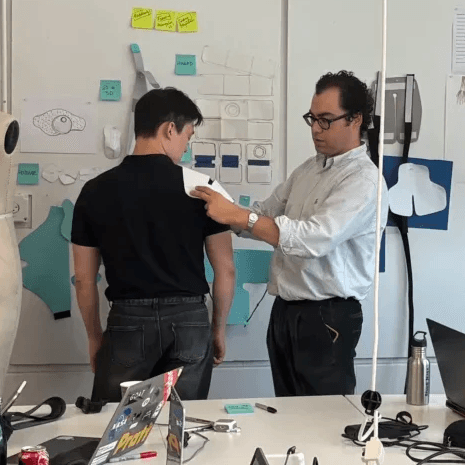
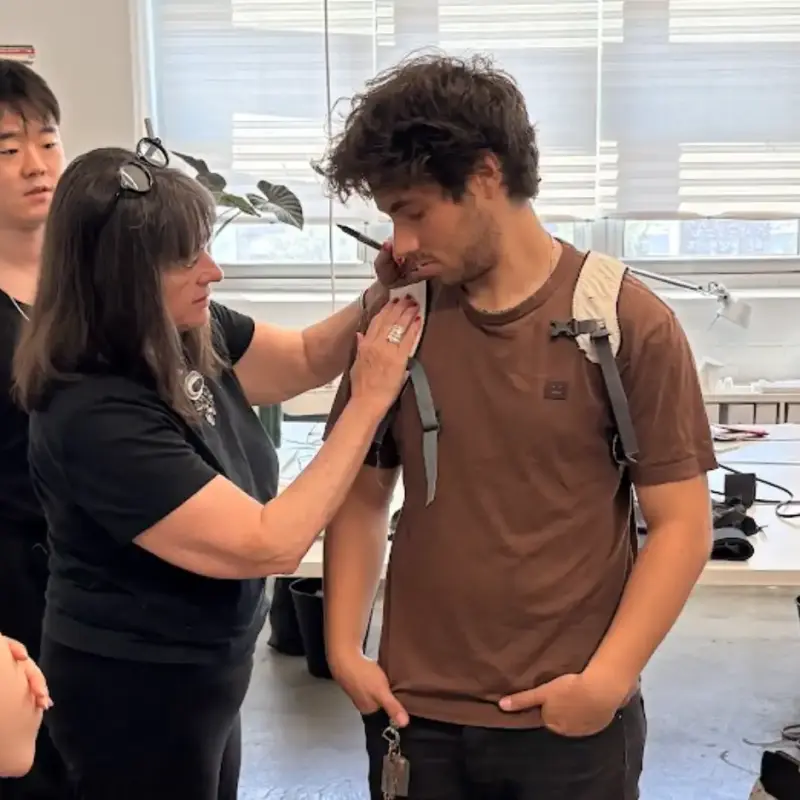
Successful hard and soft integration is rarely the result of a single discipline working in isolation. Many wearable products sit at the intersection of industrial design, soft goods design, mechanical engineering, electrical engineering, manufacturing, and user experience. Each discipline brings its own priorities, constraints, and expertise, yet the final product must function as a cohesive whole. This is particularly true when integrating electronics and hardware into body-worn products. Decisions about component placement affect comfort and fit. Material choices influence sensor performance and durability. Manufacturing requirements shape how components attach, assemble, and service over time. Solving these challenges requires ongoing collaboration, not a sequence of handoffs from one team to the next. The most successful projects establish a shared understanding of the user, the product requirements, and the realities of production from the earliest stages of development.
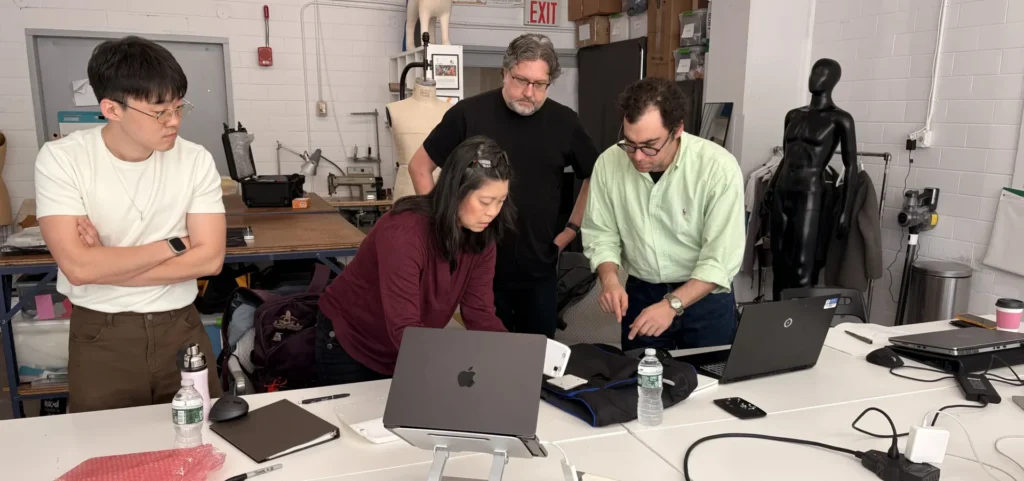
At Interwoven Design, we serve as a bridge between these disciplines, helping translate engineering requirements into wearable solutions that function comfortably on the body while remaining manufacturable at scale. Whether developing medical devices, wearable technology, or connected products, our goal is to integrate hard and soft components into a single, unified system rather than a collection of separate parts. Ultimately, users never experience a wearable as a set of textiles, electronics, housings, and fasteners; they experience a product. When integration is successful, the complexity disappears. The technology feels secure, natural, and intuitive because every component has been designed to work together.
Interwoven Design is a design consultancy that is positioned at the intersection of soft goods and wearable technology, creating products that function with the body and offer comfort as well as the superb performance that arises through the innovative incorporation of rigid, often electronic and responsive elements. Sign up for our newsletter and follow us on Instagram and LinkedIn for design news, multi-media recommendations, and to learn more about product design and development!