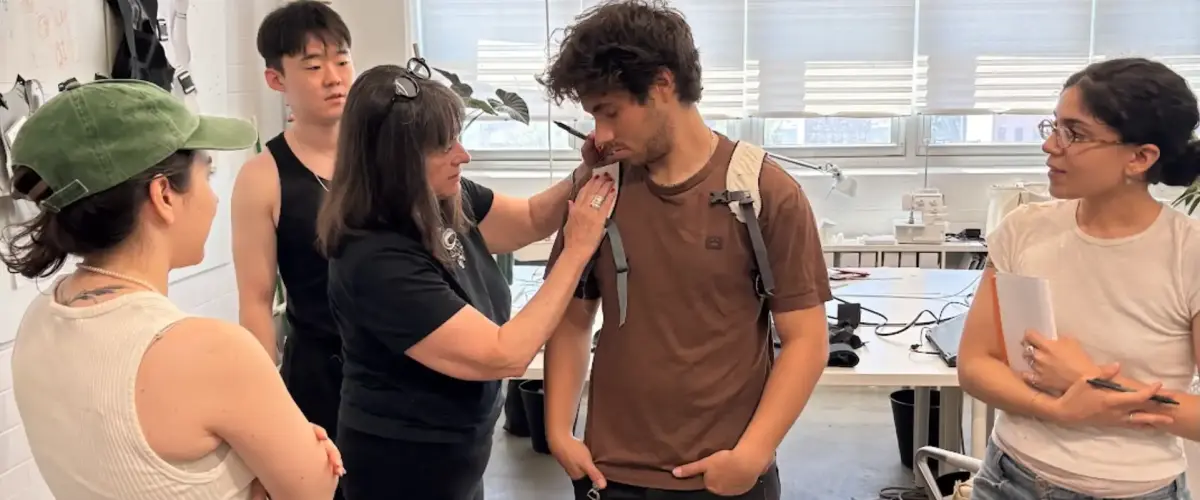
A Reflection on Design Internships
An internship is an important rite of passage for any aspiring industrial designer. For students and new graduates, it’s an essential step to get your foot in the door of the industry and break out of the conceptual bubble that is design school.
Internships provide an opportunity to do real design work for a real design company on a temporary basis, essentially a trial run of what the rest of your career might look like. While many students view internships simply as a prerequisite to receiving a full-time job offer, the real value of an internship is learning about yourself through your experience of working for someone else. Through experiential learning, internships help you figure out what you want your future career to look like and how you can make it happen.
Whether you want to work in a specific discipline like soft goods, open up your own studio, or simply figure out a direction for your design career, seeking out targeted internship opportunities and work experience is the best way for young designers to carve out their path in the industrial design field.
How We Got Our Internships at Interwoven Design
Adam Gottesdiener (RISD, Class of ’26)
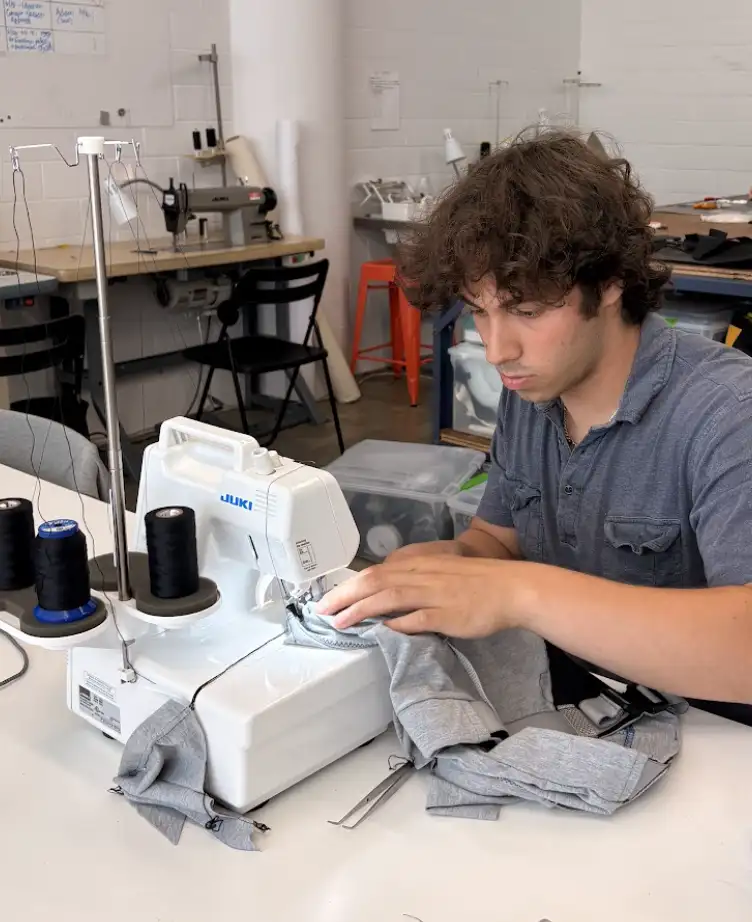
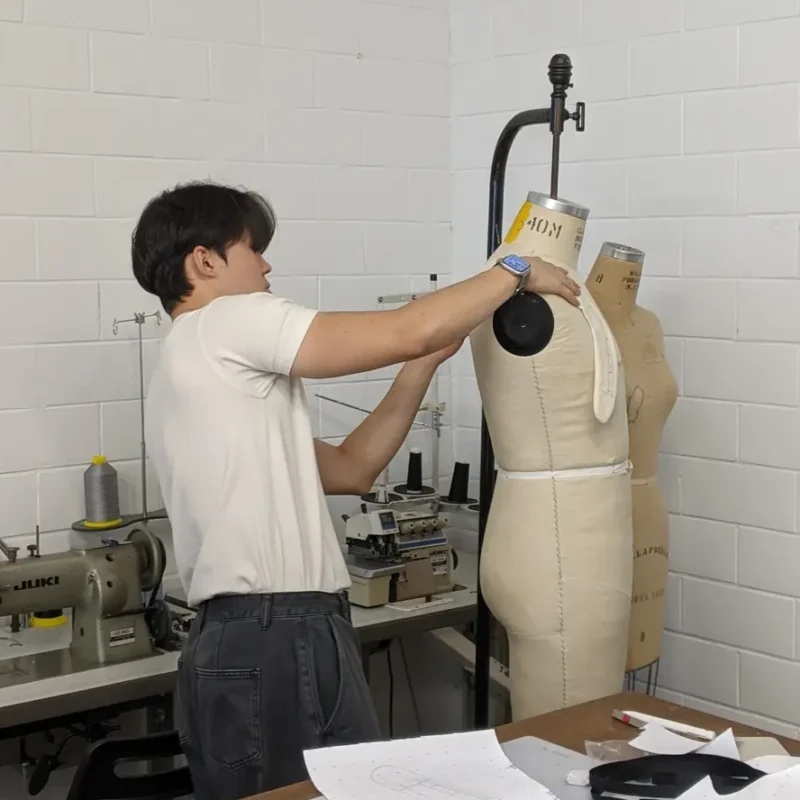
My internship search started with a very specific objective: find a place to work that specializes in soft goods and wearables. As a junior at RISD studying Industrial Design, I enjoyed the traditional coursework focused on shop techniques, CAD, and hard goods, but my true passion was sewing and soft goods development. I decided to seek out design firms that specialized in this area so I would be a uniquely qualified candidate for an internship position.
Today’s job market for students and recent graduates is saturated at an unprecedented level. Applying for 50 or more generic jobs a day among my peers is no longer considered an exceptional amount of effort, but rather the norm. While I understand the urge for young designers to mass-apply to every opening they see, I believe there is far more value and potential in seeking out a select few places that uniquely align with who you are and what you do as a designer, making a more concerted effort to be noticed there.
I found out about Interwoven Design on LinkedIn and instantly knew I’d be a great fit, their studio was full of sewing machines, materials, and soft goods development setups, all of which aligned with my background. At the time, they didn’t have an internship posting listed on their page, but I took the time to send them an email anyway with a curated portfolio highlighting my apparel and textile work.
When a fresh internship posting eventually appeared weeks later, I decided to take a unconventional approach: I printed out my application materials, put on a collared shirt, and took a trip to 630 Flushing in Brooklyn to visit the office unannounced. I knocked on the door, introduced myself to a slightly confused employee, and explained that I had already applied online but wanted to drop off my physical portfolio in person.
Initially, after a few rounds of interviews, I received an email informing me that I hadn’t been selected for the role. While I was dismayed, I didn’t give up. It took over a year of staying in touch—sharing updates on my senior thesis and showing growth as a candidate—before Rebeccah reached out right before graduation to offer me a spot. From this process, I learned not to get discouraged at an initial rejection: if you truly feel like a studio is right for you, persistence and targeted effort will pay off.
Chloe Bonnet (Pratt Institute, Class of ’27)
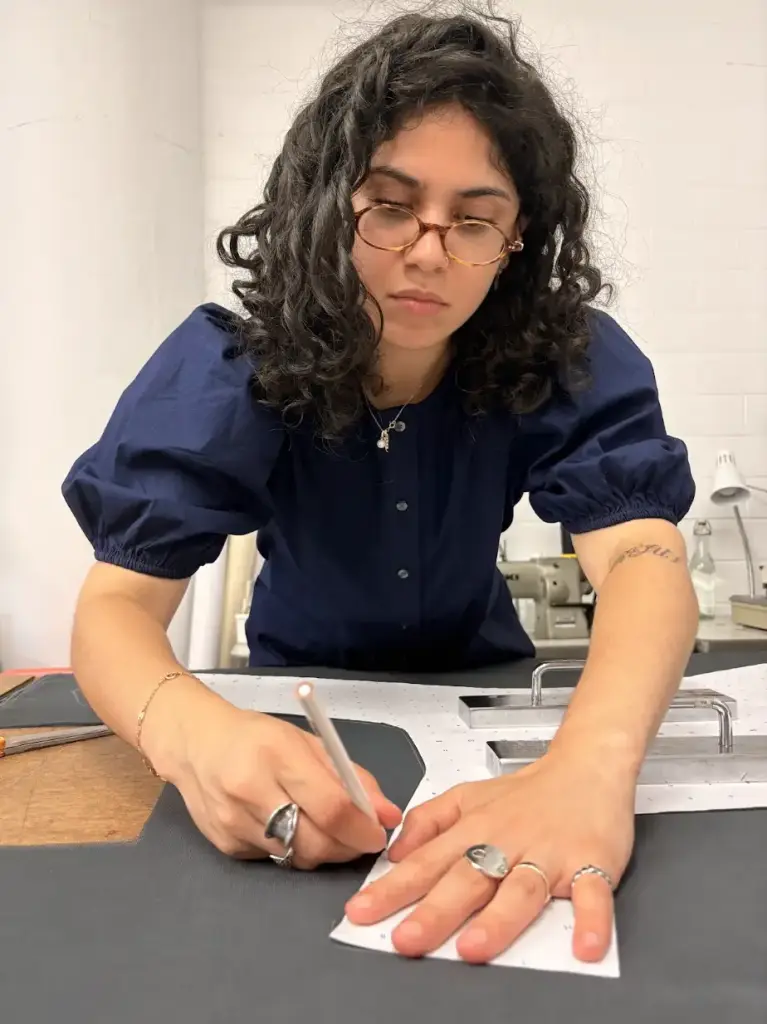
Since starting my education at Pratt Institute, I’ve developed a deep interest in soft goods and wearable design, which sits right at the intersection of Industrial Design and Fashion Design. How I landed my internship at Interwoven Design was closely related to my general outlook on my education and how I approach my coursework at Pratt.
As Industrial Design students, we are surrounded by professors who have established careers in the field and deep industry networks. Having the opportunity to gain insight into the kind of work different professors and studios do is priceless. Throughout my years at Pratt, I’ve made a point to expand my learning by taking classes with many different professors and actively seeking out their perspectives.
While in school, it’s important to understand that how you show up matters. Developing a high standard for your work and your professional habits prepares you directly for an internship by establishing responsibility, punctuality, and organization. An internship is the direct next step from university learning. Small habits—like taking thorough notes, remembering key technical details, and managing your time across multiple deadlines—allow you to balance your priorities smoothly.
Rather than expecting to enter an internship as a master designer with a definitive perspective, understand that interning is about exploration, active listening, and adaptability. Bringing a high-value approach to your daily learning in school builds the exact discipline you need to excel when stepping into a professional team environment.
What We Learned at Our Internship
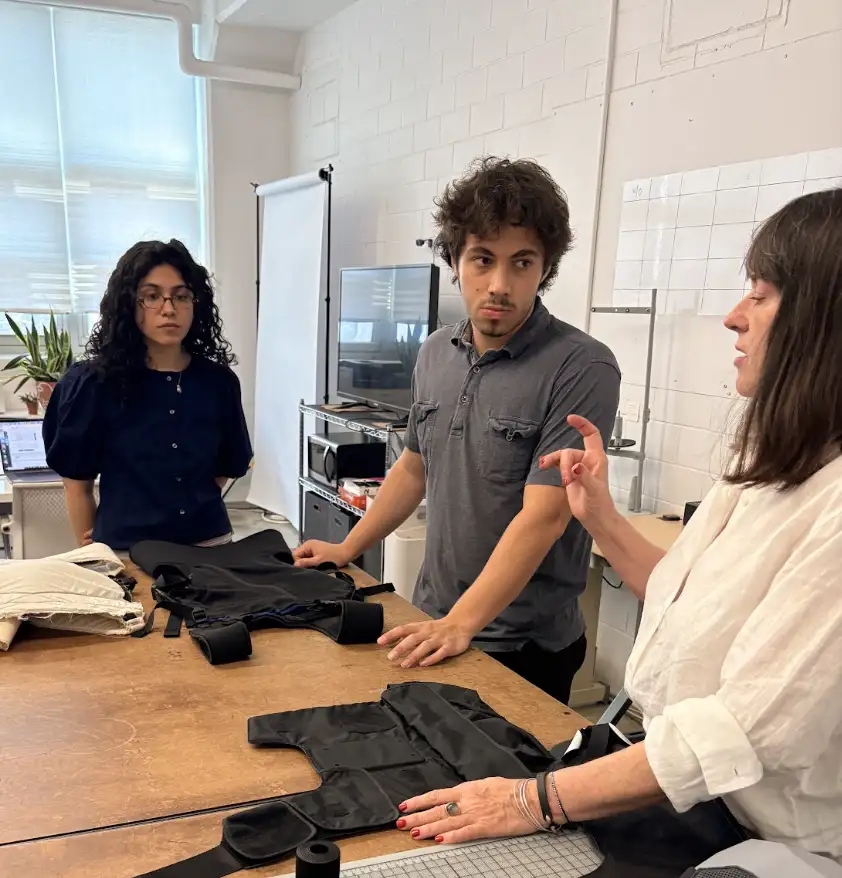
1. Executing for Someone Else
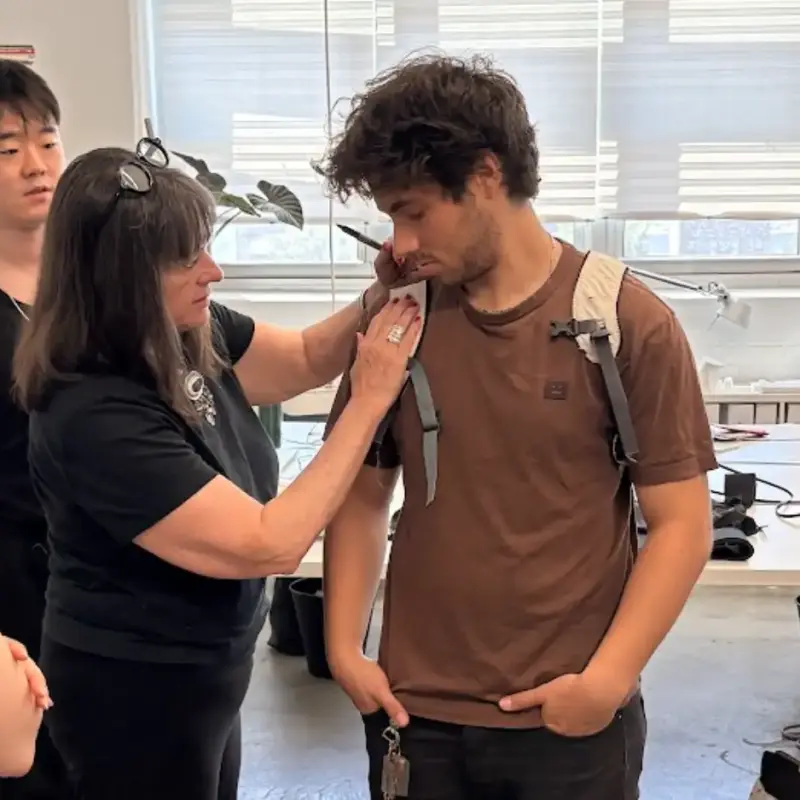
In design school, projects are largely self-directed and driven by your personal aesthetic. An internship takes you out of the driver’s seat. Your main job is to translate leadership’s direction into real output, adapt to the studio’s workflow, and absorb their conventions. Over time, you develop a shorthand with your team, learning not just what needs to be done, but why it needs to be executed in that specific way.
2. Treating Every Task as Essential
As an intern, you will handle a wide variety of responsibilities, many of which are not strictly design-related. Handling administrative tasks, shipping packages, prepping materials, or organizing the studio may not feel like glamorous design work, but treating every responsibility with high attention to detail proves you are a reliable, trustworthy team player.
3. Learning by Observation
Your primary role as an intern isn’t to push your own design opinions, but to observe how experienced designers make decisions under real constraints. Sitting in on team meetings, listening to designers debate details, and watching how client feedback shapes a project provides insights no classroom can replicate.
4. The Power of Communication
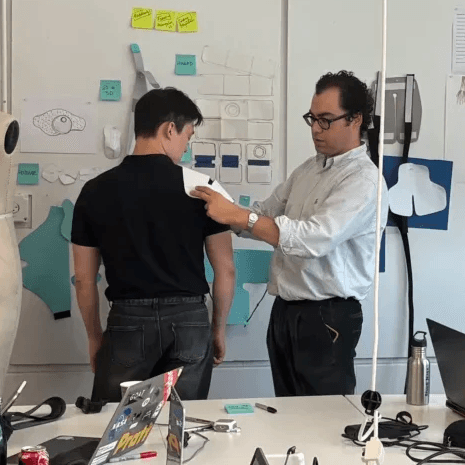
At Interwoven Design, we saw firsthand how projects progress from early client brief alignment all the way to final tech packs and functional prototypes. Learning how to communicate your ideas clearly—both internally with fellow designers and externally with clients—is what ultimately turns concepts into successful physical products.
Insights from Our Peers: Studio vs. Corporate
An industrial design internship can look drastically different depending on where you work:
- Independent Studios: Smaller studios offer broader exposure to the full project lifecycle. With smaller, agile teams, interns get hands-on experience across prototyping, client presentation prep, and day-to-day studio operations.
- Large Corporations: Often have dedicated resources for talent recruitment and structured intern programs. However, because projects involve multiple departments (legal, marketing, PR, engineering), decisions take longer, and interns often work on very specialized, narrow slices of a project.
Experiencing different studio environments during your student years is the best way to understand what type of work culture, team size, and design process aligns with your long-term career goals.
Key Takeaways for Future Interns
- Focus on Quality Over Quantity: Target a select few studios that genuinely match your skill set rather than mass-applying to dozens of generic job postings.
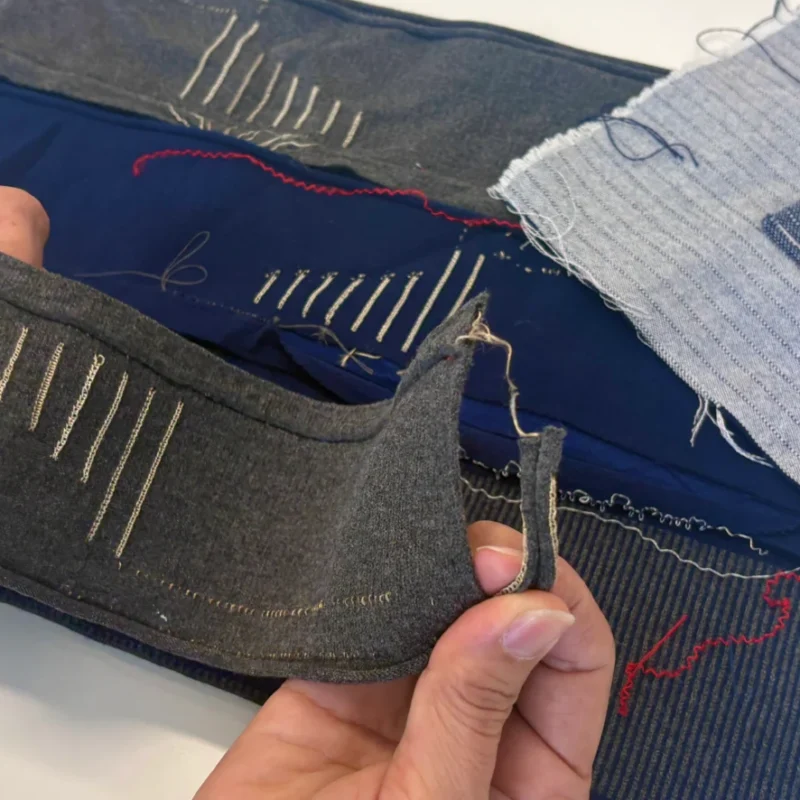
- Tailor Your Materials: Customize your portfolio, cover letter, and resume to highlight the exact skills (e.g., soft goods, pattern-making, CAD) the studio relies on.
- Rejection Is Could be Just Timing: View a “no” as an invitation to stay in touch, keep improving your portfolio, and share periodic updates on your work.
- Bring Value Through Effort: Be proactive, organized, and enthusiastic about every task, big or small.
A career path in design is rarely outlined from the very start. It takes being proactive, creating your own opportunities, and staying resilient when things don’t go according to plan. Looking back down the line, you’ll realize that every challenge, quiet season, and small success along the way was equally important in getting you to where you wanted to be.
Interwoven Design is a design consultancy that is positioned at the intersection of soft goods and wearable technology, creating products that function with the body and offer comfort as well as the superb performance that arises through the innovative incorporation of rigid, often electronic and responsive elements. Sign up for our newsletter and follow us on Instagram and LinkedIn for design news, multi-media recommendations, and to learn more about product design and development!