Soft Goods in Athletics: Designing for Performance
Athletics place unique demands on the body. From training and competition to recovery and everyday wear, athletes rely on products that support movement, regulate the body, and perform under constant stress. Unlike casual apparel, athletic soft goods must respond dynamically to speed, impact, repetition, and fatigue, often across long durations and varied environments. Soft goods are foundational to this ecosystem. Apparel, supports, accessories, and hybrid soft–hard systems sit directly against the body, shaping how athletes move, feel, and perform. When designed well, they enhance mobility, manage heat and moisture, reduce distraction, and support confidence. When designed poorly, they restrict movement, cause irritation, or interfere with performance.
At Interwoven Design, we specialize in soft goods that move with the body. Our work in athletics combines textile innovation, ergonomics, and human-centered design to create performance-driven products that feel intuitive in motion. By designing for real bodies in real athletic contexts, we help brands create products that support both peak performance and long-term use.
In this Insight article, we explore what makes athletic soft goods design distinct, the challenges and opportunities within this space, and how thoughtful design can elevate performance, comfort, and user experience. Through examples from across the athletic landscape, we highlight how soft goods function as essential infrastructure for modern sport.
When Apparel Becomes Equipment
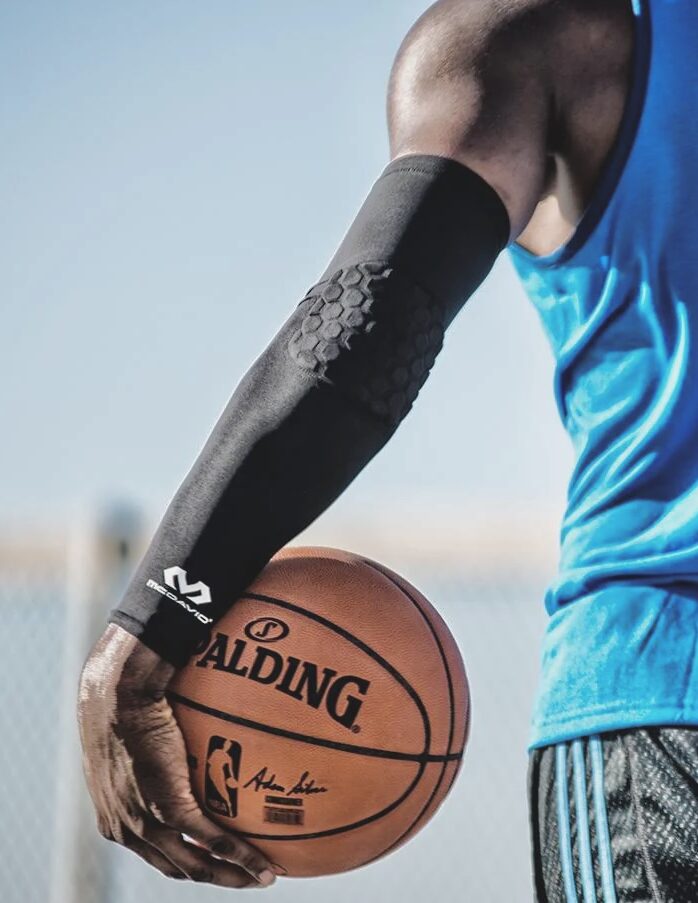
Athletic soft goods operate in a fundamentally different context than lifestyle apparel or fashion-driven performance wear. These products are not designed for occasional movement or visual expression alone; they are worn through repetition, strain, sweat, and fatigue. They must perform reliably under physical stress, often for hours at a time, and across a wide range of environments and body types. Designing for athletics means designing for use, not appearance first.
Unlike everyday apparel, athletic soft goods are in constant dialogue with the body. They stretch, compress, resist, and recover in response to motion. A poorly placed seam can cause chafing. Excess material can disrupt movement or trap heat. Insufficient structure can compromise stability and lead to injury.In this context, comfort is not a luxury, it is a performance requirement.
Athletic products must also account for intensity and repetition. Runners log thousands of steps per session. Training garments endure repeated washing, abrasion, and exposure to sweat and friction. Soft goods must maintain their integrity and fit over time, not just during initial wear. This demands careful material selection, durable construction methods, and patterning that supports long-term use without breakdown.
There is also a psychological dimension to athletic soft goods. When equipment fits well and moves naturally with the body, it fades into the background, allowing athletes to focus fully on performance. When it doesn’t, it becomes a distraction. Confidence, trust, and mental clarity are directly influenced by how gear feels in motion. The best athletic soft goods support not only physical performance, but also the athlete’s sense of readiness and control. They must earn their place through performance: working with the body, adapting to motion, and standing up to the realities of athletic use.
Designing for the Body in Constant Motion
In athletics, soft goods are not passive layers. They are active interfaces between the body, the environment, and performance demands. From training apparel and compression systems to protective gear and integrated wearables, these products must move dynamically with the athlete while maintaining structure, control, and comfort under stress. Designing for this context requires a deep understanding of the body in motion and the realities of how athletic products are actually used.
Designing for Dynamic Movement
Athletic soft goods must accommodate complex, repetitive movement patterns: sprinting, cutting, rotating, reaching, absorbing impact, and recovering between efforts. Unlike everyday apparel, these products are subjected to continuous mechanical stress, sweat, heat buildup, and friction. Seams, stretch zones, and reinforcement areas must be placed with intention, aligning with muscle groups, joints, and patterns of load. Poorly placed construction details can restrict movement, cause chafing, or create pressure points that distract from performance.
Effective design begins with understanding how the body behaves under exertion. This includes how muscles expand and contract, how posture shifts during fatigue, and how movement changes across different intensities. Soft goods that perform well in athletics are designed not just for a static fit, but for how they stretch, compress, and recover throughout an entire training session or match. They are also tailored to the specific movements that are unique to a given sport or activity.
Balancing Support and Freedom
One of the central challenges in athletic soft goods design is balancing support with mobility. Athletes often need targeted compression, stabilization, or protection without sacrificing range of motion or speed. This balance is achieved through thoughtful material zoning and construction strategies rather than relying on bulk or rigidity.
Strategic use of elastic and non-elastic materials can provide structure where it is needed and flexibility where it is essential. Paneling, knit variation, and layered systems allow designers to fine-tune how a product behaves across different areas of the body. When executed well, this approach creates products that feel secure without feeling restrictive, enabling athletes to move confidently and naturally.
Comfort as a Performance Factor
In athletic contexts, comfort is inseparable from performance. Heat retention, moisture management, and skin interaction all influence endurance, focus, and recovery. Fabrics must manage sweat efficiently, dry quickly, and maintain a consistent feel against the skin even during prolonged use. Construction details such as bindings, hems, and closures must remain stable under movement without digging in or shifting.
Extended wear is common in athletics, whether during long training sessions, tournaments, or back-to-back competitions. Soft goods that cause irritation or distraction can negatively affect performance long before physical fatigue sets in. Designing for comfort means anticipating these long-duration use cases and prioritizing material behavior and construction quality at every point of contact with the body.
Iteration Through Real-World Testing
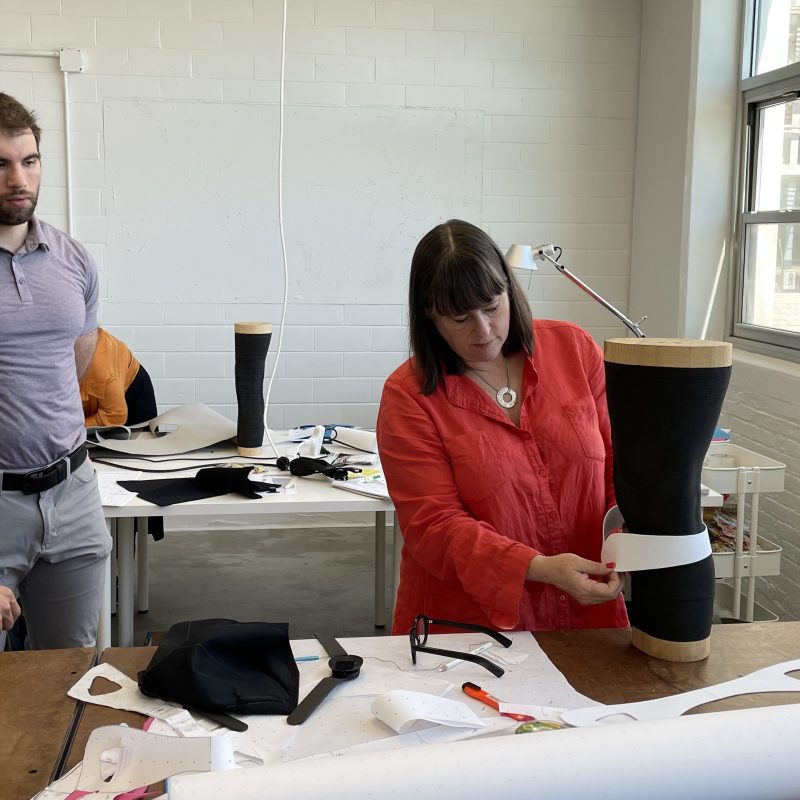
Designing for athletic performance demands rigorous, real-world testing. Prototypes must be worn, trained in, and stressed in the environments they are intended for. Observing how products shift, stretch, retain shape, or fail under real movement reveals critical insights that inform refinement. his iterative process is central to how we approach athletic soft goods at Interwoven Design. By evaluating products in motion and under load, we identify opportunities to improve durability, comfort, and performance, ensuring that the final design supports the athlete rather than working against them.
Designing for the body in motion means respecting the physical realities of athletic performance. While the challenges are significant, they also represent meaningful opportunities for innovation. Well-designed athletic soft goods can improve performance, reduce injury risk, enhance comfort, and build stronger emotional connections between athletes and their gear. Products that perform reliably over time earn trust, becoming essential parts of an athlete’s training and competition routine.
Case Studies: Design for Athletics in Action
Performance apparel and wearable systems are shaped by how athletes move, train, and compete across varying conditions and levels of intensity. The following case studies highlight Interwoven Design’s approach to athletic soft goods, showcasing how thoughtful material selection, ergonomic construction, and brand-driven design come together to support performance, comfort, and identity on and off the field.
Case Study 1: GLDN PNT Padelwear
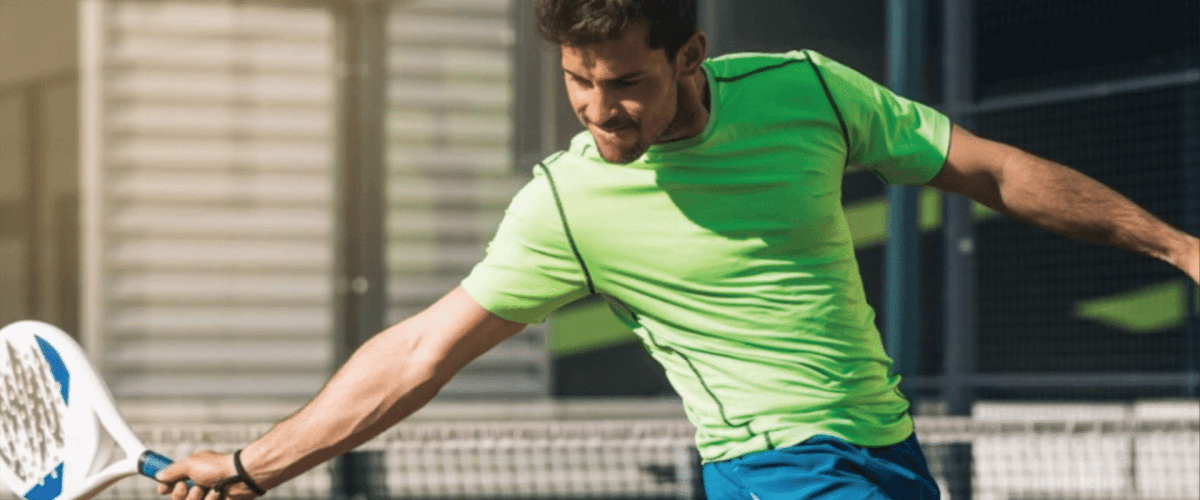
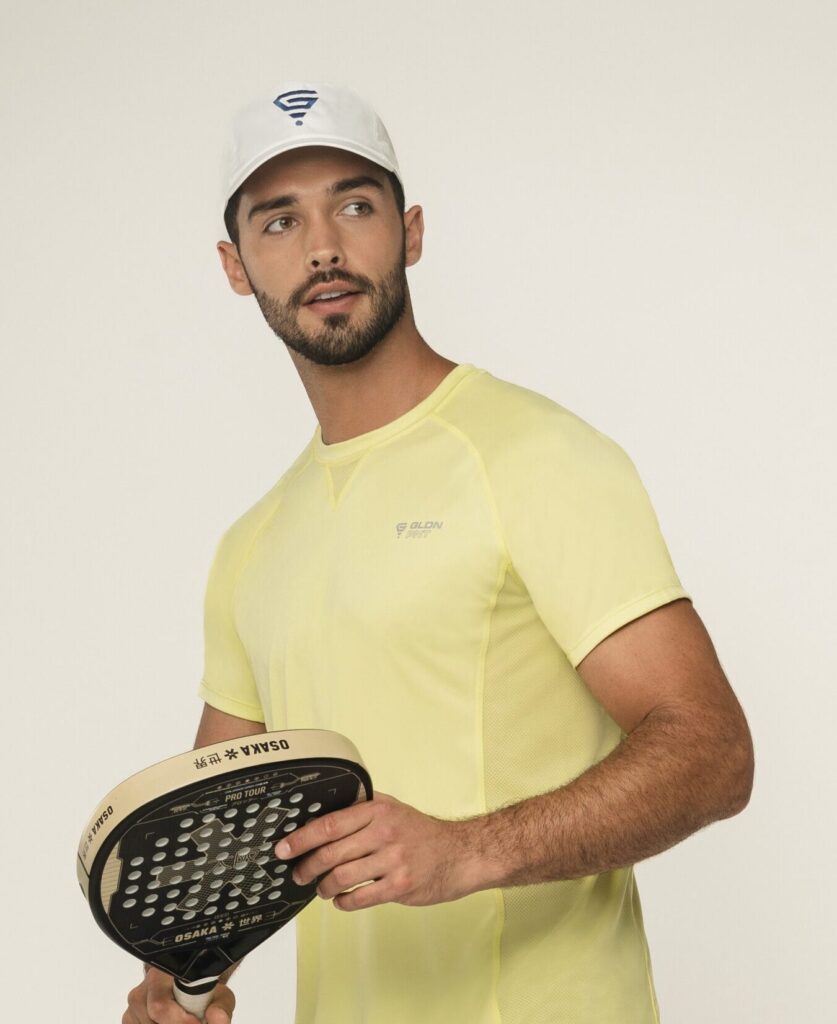
Premium activewear brand GLDN PNT partnered with Interwoven Design to create their first men’s and women’s padelwear collections, launching a brand built specifically around the movement patterns, performance needs, and aesthetic expectations of the sport. As the sport of padel continues to grow globally, athletes are demanding apparel that reflects the intensity, precision, and social culture of the game.
Unlike crossover tennis or general training apparel, padel requires clothing that supports rapid lateral movement, extended rallies, sun exposure, and frequent ball handling. GLDN PNT’s goal was to introduce a collection that felt intentional, elevated, and authentic to padel, while establishing a strong visual identity that could scale with the brand.
The Design Challenge
Padel occupies a distinct space between tennis and squash, with its own cadence, court dynamics, and player culture. However, the apparel market had yet to fully reflect those differences. The challenge was twofold: to design sport-specific garments that performed under the physical demands of padel, and to simultaneously define a cohesive brand language that would differentiate GLDN PNT in a growing, style-conscious market.
From a performance standpoint, garments needed to support explosive movement, sustained play, and outdoor conditions without compromising comfort or fit. From a brand perspective, the collection had to feel modern and premium, appealing to both competitive players and lifestyle-driven athletes who engage with padel as a social sport.
Our Approach
Interwoven Design led a comprehensive, end-to-end design process that integrated brand strategy, soft goods expertise, and technical apparel development. The project began with identifying market gaps and analyzing both competitive sportswear and emerging padel culture. Through trend research, event observation, and consumer insight, Interwoven Design established a clear design direction for the GLDN PNT brand. Mood boards and color stories were developed to define the collection’s tone, ensuring visual cohesion across men’s and women’s lines. Silhouette development focused on balancing clean, contemporary styling with functional performance, resulting in a capsule collection that included athletic tanks, t-shirts, shorts, skirts, and complementary accessories.
As always, material selection played a central role in the design. Drawing from an extensive textile library and industry partnerships, Interwoven Design sourced high-performance fabrics selected for stretch, breathability, durability, and sun protection. Each fabric choice was evaluated not only for performance, but for how it contributed to the overall brand feel and on-court presence.
Branding and Visual Integration
Beyond garment design, Interwoven developed GLDN PNT’s branding system across apparel and accessories. This included custom graphics, reflective heat-seal logos, embroidered elements for visors and hats, and garment labels. Each branding element was strategically placed to enhance visibility and identity without interfering with performance or comfort. The result is a cohesive visual language that reinforces GLDN PNT’s positioning as a premium padel brand while remaining functional on the court.
Impact
Launched in June 2024, the GLDN PNT padelwear collection established a strong foundation for the brand, delivering sport-specific performance apparel with a distinct identity. By designing soft goods that respond directly to the physical demands and cultural nuances of padel, Interwoven helped GLDN PNT enter the market with clarity, confidence, and credibility.
Case Study 2: Miami Dolphins Cheerleader Uniforms
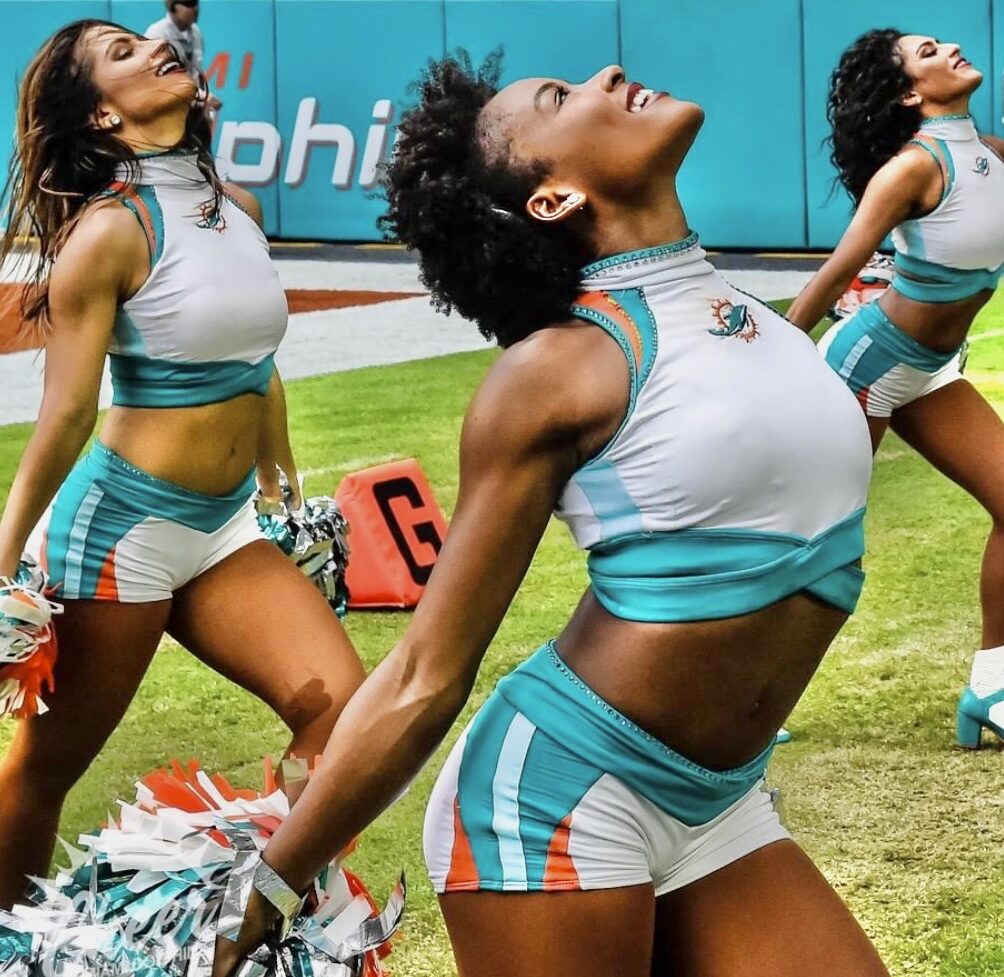
Elite cheerleading sits at the intersection of athletic performance, visual precision, and public-facing brand representation. The Miami Dolphins Cheerleaders partnered with Interwoven Design Group to modernize their uniforms and practice apparel, with the goal of creating performance-driven soft goods that support high-energy routines while empowering individual expression within a cohesive team identity.
Interwoven Design was commissioned to redesign the on-field uniforms, practice apparel, and a complementary cheer sneaker, elevating the cheerleaders’ wardrobe to reflect their dual roles as professional athletes and ambassadors for the Miami Dolphins organization. The project emphasized comfort, functionality, and confidence, ensuring that each garment
performed under physical intensity while presenting a polished, contemporary aesthetic on and off the field.
The Design Challenge
Cheerleading places exceptional demands on apparel. Garments must support explosive movement, jumps, lifts, and sustained choreography under stadium lights, heat, and long performance durations. At the same time, cheer uniforms are highly visible, serving as a key expression of team identity and brand values.
The challenge was to design a system of soft goods that could withstand athletic rigor without restricting movement, manage heat and perspiration, and maintain visual consistency across the team. Equally important was creating a wardrobe that allowed cheerleaders agency over their appearance, enabling personalization while preserving a unified, professional look.
Our Approach
Interwoven Design approached the project as a modular performance system rather than a single uniform. The design process began with direct engagement with the cheerleaders, gathering insight into their preferences, pain points, and performance requirements. This collaborative approach ensured that the final collection responded to real athletic needs rather than surface-level aesthetics alone. The concept of a “cheer closet” guided the development of a capsule collection composed of nine core silhouettes designed to be mixed and matched by individual team members. These included a crop top, sports bras, unitard, track jacket, skirt, leggings, and boy shorts, offered in a range of Miami Dolphins–branded colorways.
This system-based approach allowed each cheerleader to select combinations that best suited her body, role, and performance needs while maintaining visual cohesion across the squad. Soft goods design focused on creating garments that moved seamlessly with the body, supported dynamic routines, and felt comfortable throughout long rehearsals, games, and appearances.
Engineered for Movement and Durability
Material selection was central to the success of the collection, and a particular challenge here. Interwoven sourced a breathable, moisture-wicking performance fabric engineered to resist visible color changes from perspiration, ensuring the uniforms maintained a fresh, polished appearance even during high-intensity routines. Strategically placed perforated textiles enhanced ventilation while adding subtle textural detail to the garments.
Athletic construction techniques were used throughout, incorporating internal support features and carefully engineered paneling to improve fit, stability, and comfort. These decisions allowed the garments to support demanding choreography without restricting range of motion or causing distraction during performance.
Impact
The final uniform and practice collection successfully unified performance and style, delivering soft goods that support athletic excellence while reinforcing brand identity. The “cheer closet” model gives team members agency and confidence, allowing them to personalize their look while presenting a consistent, elevated image as a squad.
A complementary makeup kit was also designed to align with the apparel color strategy, enabling a cohesive head-to-toe presentation for games, practices, and appearances. Together, the system underscores the Miami Dolphins Cheerleaders’ role as elite athletes and public representatives of the organization.
Supporting Movement, Comfort, and Confidence
Athletics is defined by movement, repetition, and intensity. Every sprint, pivot, jump, and recovery phase places unique demands on the body and on the products worn in motion. In this context, soft goods are not passive layers or branding surfaces; they are active participants in performance. The way a garment stretches, compresses, breathes, or stabilizes can influence confidence, endurance, and precision in ways that are felt long before they are noticed.
Well-designed athletic soft goods regulate temperature without distraction, support muscles without restricting movement, and adapt across training, competition, and recovery. When these systems are thoughtfully engineered, athletes can focus fully on their sport. When they fall short, friction appears in the form of discomfort, distraction, or compromised performance. The difference often lies in details: patterning, material behavior under sweat and strain, seam placement, and how a product responds over time.
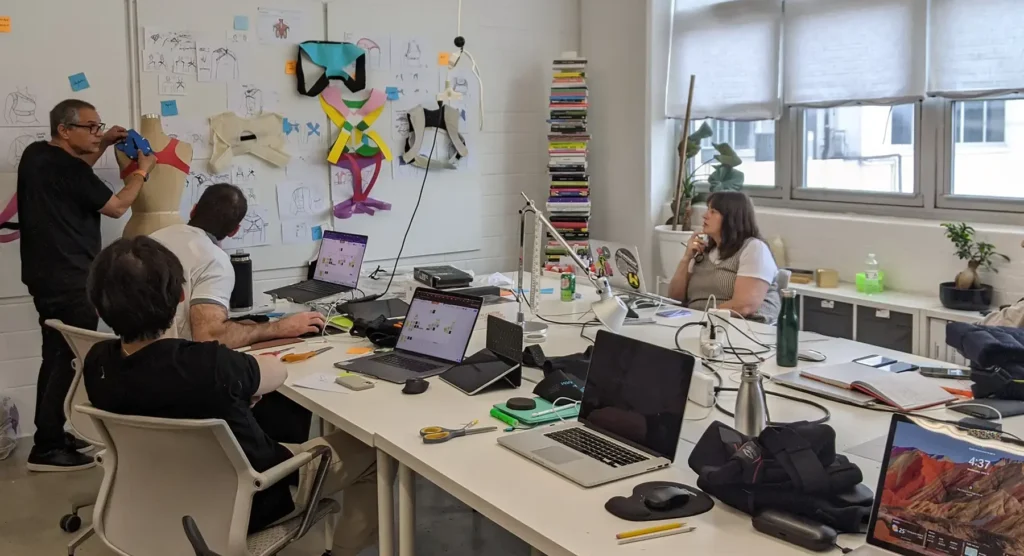
At Interwoven Design, we approach athletic soft goods as performance systems rather than isolated products. Our work blends material intelligence, ergonomic construction, and brand strategy to create apparel and wearable solutions that move with the body and evolve with the demands of sport. Whether designing for emerging athletic categories or established performance disciplines, we prioritize comfort, adaptability, and long-term wearability alongside visual identity and market relevance.
We collaborate with athletic brands, innovators, and performance-driven organizations who recognize that great design is built through deep understanding of the body in motion. Together, we design soft goods that support athletes where it matters most: in the moments of effort, focus, and flow that define sport.Interwoven Design is a design consultancy that is positioned at the intersection of soft goods and wearable technology, creating products that function with the body and offer comfort as well as the superb performance that arises through the innovative incorporation of rigid, often electronic and responsive elements. Sign up for our newsletter and follow us on Instagram and LinkedIn for design news, multi-media recommendations, and to learn more about product design and development!