Rethinking the Uni-form: Designing for Every Body
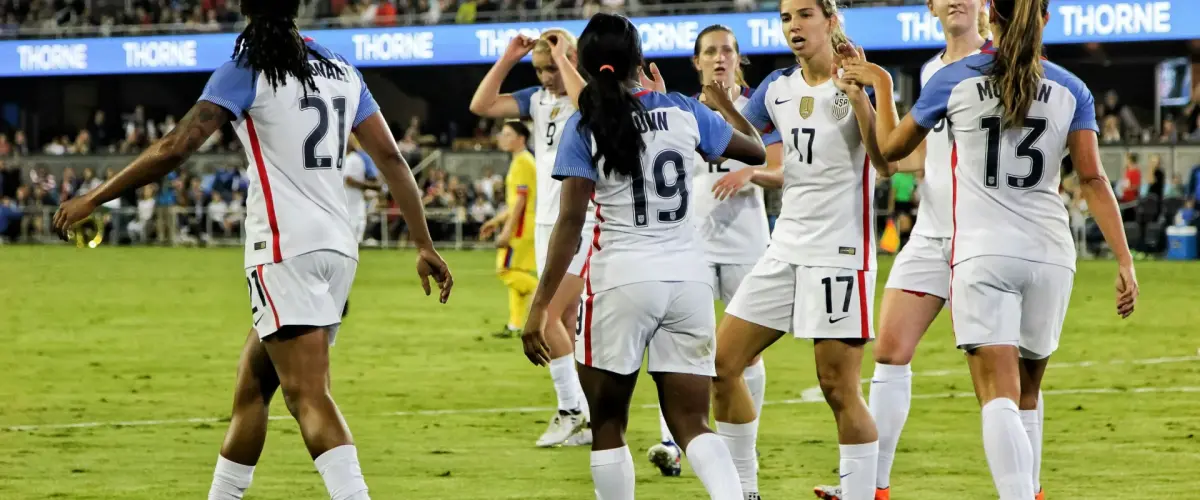
A uniform is designed to create unity. By definition, it means remaining the same in all cases and at all times. In sports, it symbolizes equity, shared identity, and belonging. But human bodies are anything but uniform. For decades, uniform design has mastered the art of creating visual unity. As our understanding of human anatomy, movement, and performance materials continues to evolve, it’s worth asking: What’s next for the uniform?
There is an inherent tension between a standardized product and the fluid, unpredictable reality of human anatomy. Rather than seeing today’s athletic apparel as a limitation, I see it as a foundation—one that invites us to rethink how performance products can evolve. The future isn’t about replacing the traditional playbook; it’s about expanding it to embrace human variability as a design opportunity.
The Clues in the Micro-Adjustments
Watching professional sports closely reveals a fascinating trend: elite athletes making subtle, intuitive making subtle, intuitive adjustments to their gear.
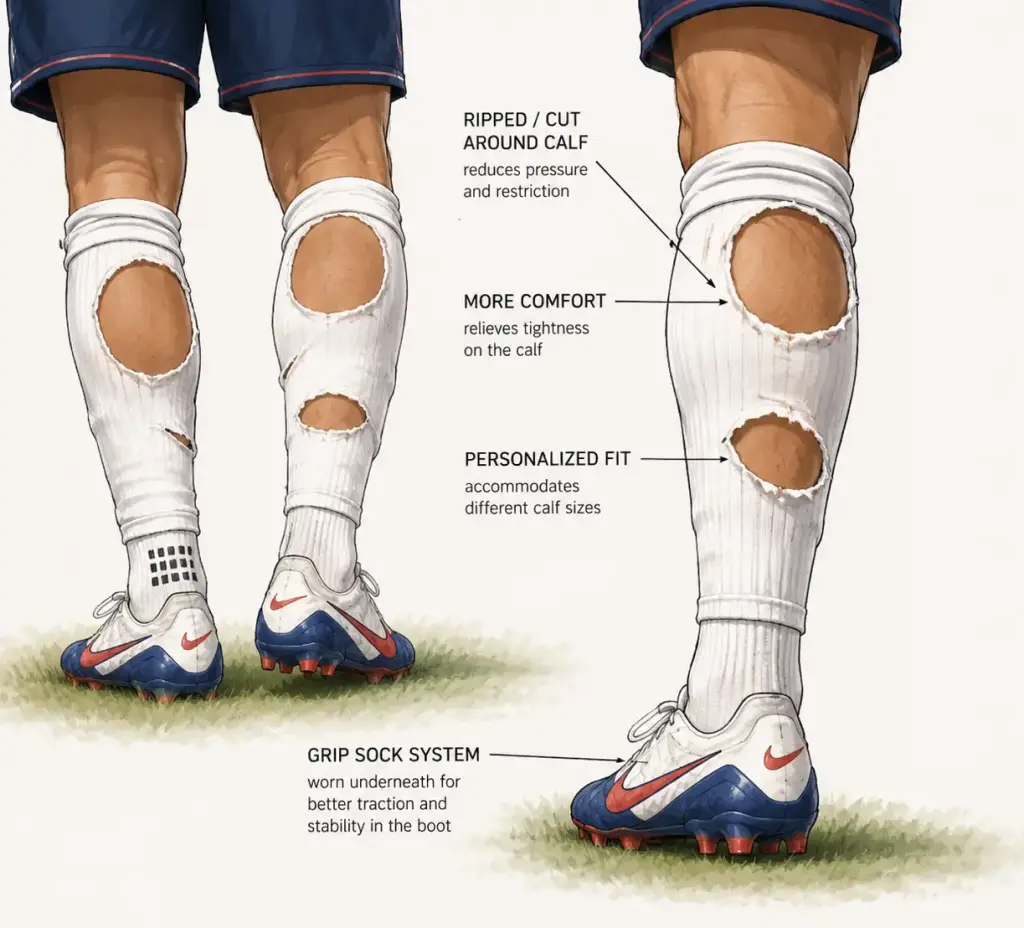
Soccer players routinely modify their team-issued socks to improve comfort and reduce pressure. Basketball players roll waistbands or adjust their collars during play. These aren’t acts of self-expression. They’re performance-driven adjustments that help athletes optimize fit, comfort, and movement while remaining visually united as a team.
Designing a uniform means balancing many priorities: performance, durability, manufacturability, and a shared visual identity. Yet no two bodies move exactly alike. As athletes sprint, twist, jump, and stretch, subtle differences in anatomy and movement naturally emerge.
Rather than seeing these adaptations as exceptions, we can view them as valuable design feedback. They reveal opportunities for apparel to better support the individual while preserving the collective identity that uniforms are meant to represent.
Designing from the Body Outward
An inspiring example of this mindset shift can be found in highly specialized performance gear—such as custom racing wheelchairs engineered for Special Olympics athletes.
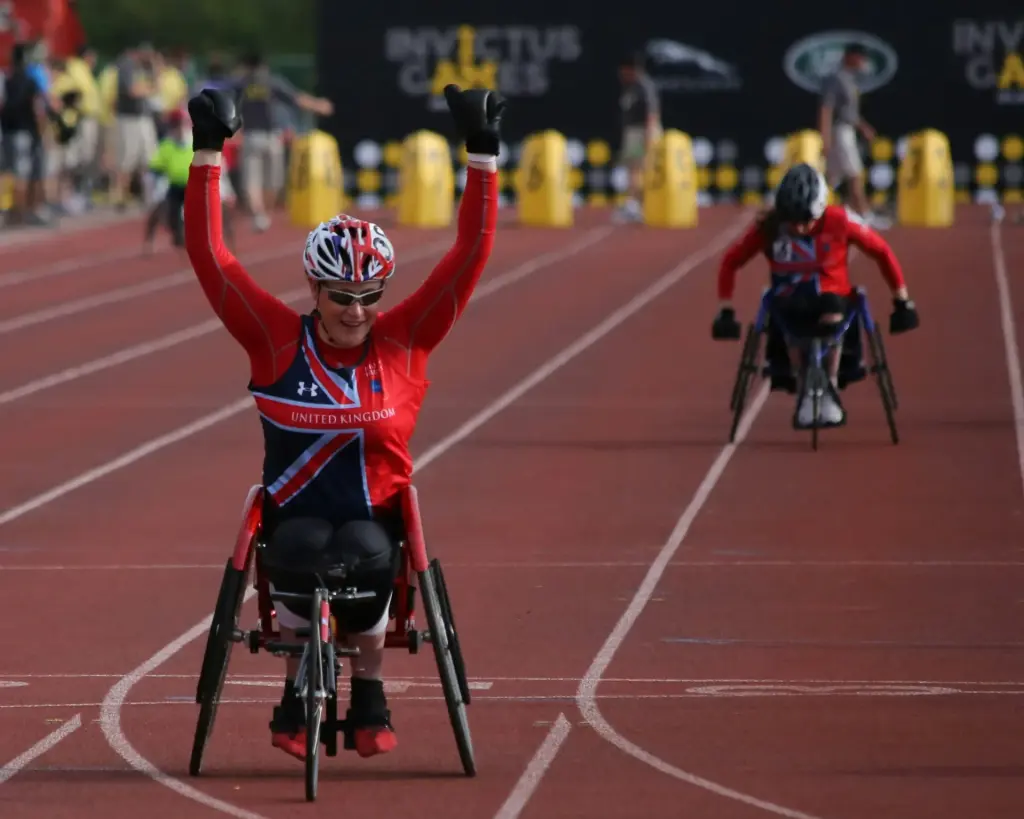
Here, the equipment adapts to the athlete—not the other way around. Because a project cannot start with a generic template, the engineering must begin entirely with the athlete’s unique body, posture, and movement patterns. Every decision—from the frame geometry to the seating angle—is tailored to an individual’s specific capability.
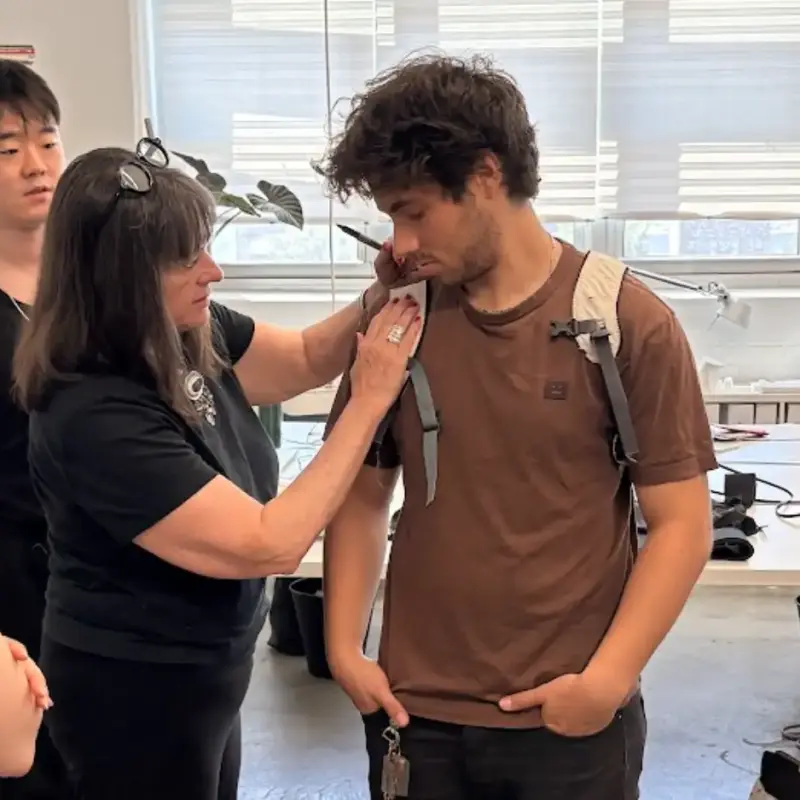
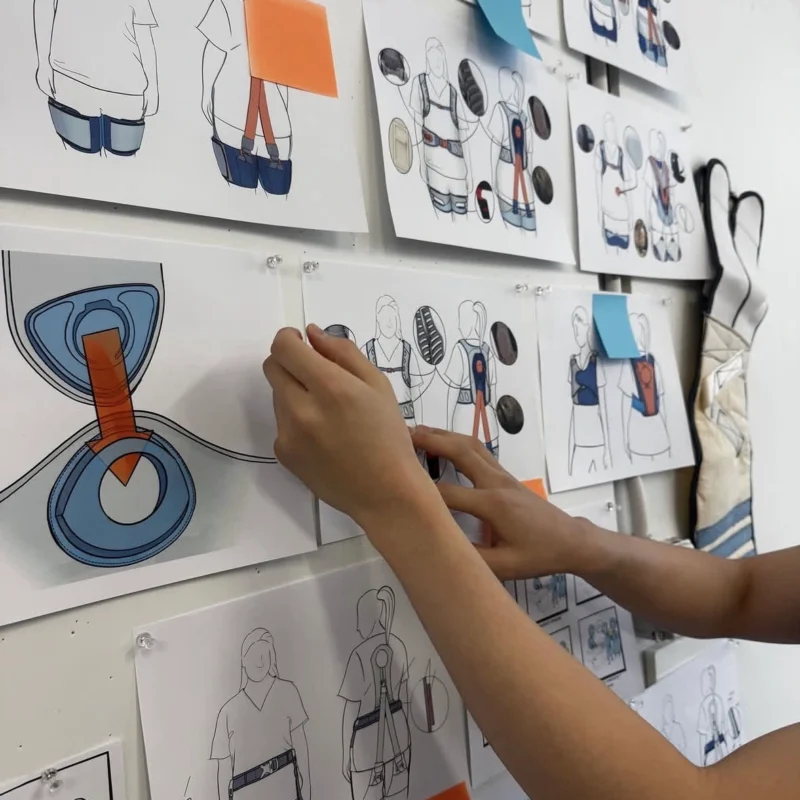
What makes these projects so compelling is how seamlessly hard and soft systems work together. While the rigid frame delivers mechanical speed, the athlete’s safety and endurance depend entirely on the softer touchpoints: pressure-mapped cushions, custom-contoured supports, and anatomical strapping. It proves that when design starts from the body and builds outward, it unlocks a completely different level of synergy between the user and the product.
An Unexplored Space for Future Possibilities
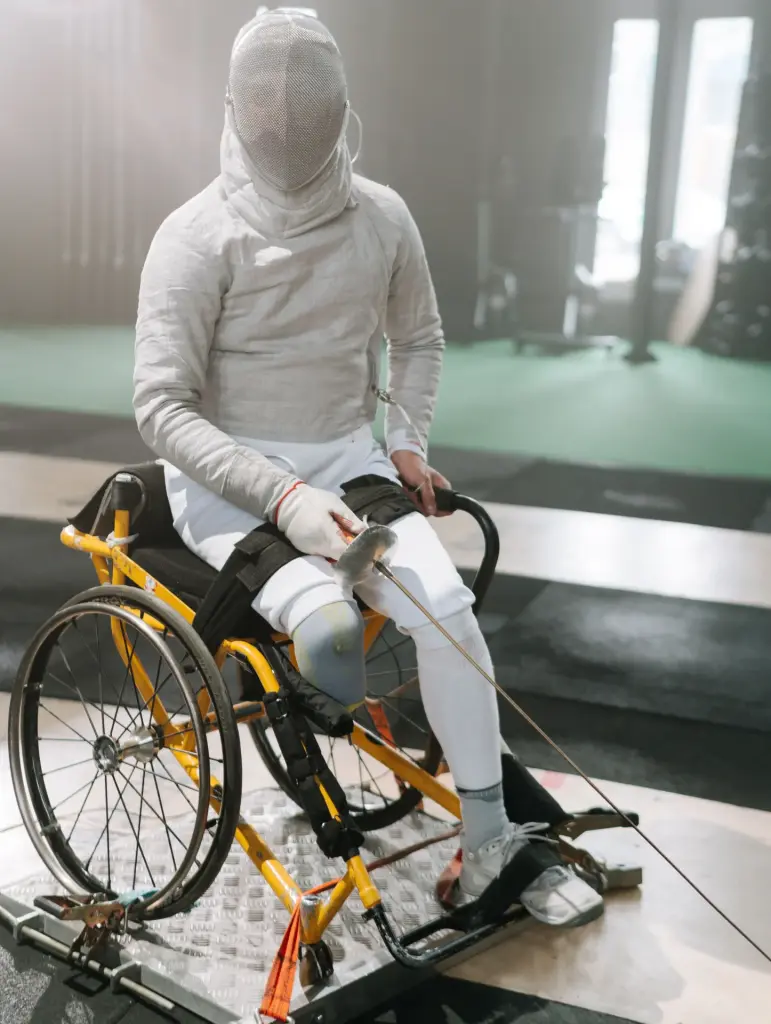
If complex performance equipment can be engineered to adapt so precisely, it opens up a largely unexplored opportunity for the future of team apparel.
The future of sportswear doesn’t have to mean a uniform that simply scales rigidly from XS to XXL. Instead, the “uni-form” can be imagined as an adaptable, modular system—one that maintains a shared team identity on the outside, while flexing to accommodate different body geometries and abilities on the inside.
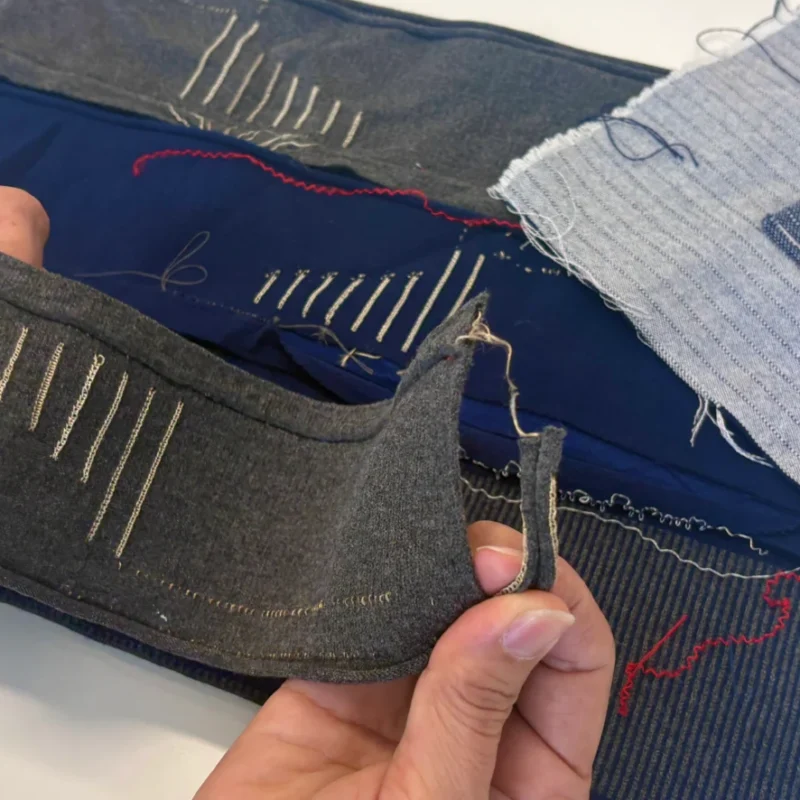
That shift could lead to uniforms with modular paneling that accommodates different postures or prosthetics, adaptive seam placement that follows movement rather than symmetry, intuitive closures that support independent dressing, and material zones tuned for comfort, breathability, or sensory needs. The goal isn’t to change what a team looks like. It’s to expand how many athletes can perform at their best while sharing the same identity.
Belonging and Performing Together
Belonging to a team is an emotional experience, and the uniform is the visual anchor of that bond. True innovation in this space doesn’t mean sacrificing visual unity; it means evolving the underlying architecture so that the uniform supports every athlete’s peak expression.
Uniform design has always been about creating belonging.
The next chapter isn’t about changing that purpose. It’s about expanding who that belonging is designed for. Perhaps the future of the uni-form isn’t one form at all.
It’s designing for every body.

Interwoven Design is a design consultancy that is positioned at the intersection of soft goods and wearable technology, creating products that function with the body and offer comfort as well as the superb performance that arises through the innovative incorporation of rigid, often electronic and responsive elements. Sign up for our newsletter and follow us on Instagram and LinkedIn for design news, multi-media recommendations, and to learn more about product design and development!