From Sketch to Shelf: The Soft Goods Industrial Design Process in 6 Steps

From Sketch to Shelf: The Soft Goods Industrial Design Process in 6 Steps

Bringing a product from an idea to reality is an exciting journey—one that blends creativity, technical expertise, and user-centered thinking. In the world of wearable technology, great design isn’t just about aesthetics; it’s about crafting solutions that seamlessly integrate into people’s lives. From the first sketch to the final product on the shelf, every step in the industrial design process plays a crucial role in shaping a wearable that is functional, comfortable, and market-ready. There are a lot of ways to break down the design process, and they all have their uses: the double diamond, the design thinking cycle. Search ‘design process’ and you’ll find endless diagrams and breakdowns. In this Insight article, we’ll walk you through the key stages of industrial design, giving you a behind-the-scenes look at how innovative products come to life.

Step 1: Research & Discovery

The journey of creating a standout product starts with diving deep into the world of research and discovery. This initial phase is all about truly understanding the problem at hand—getting to know the needs of the users, the latest trends in the market, and how competitors are shaping the landscape. By mapping out these elements, designers can pinpoint where opportunities for innovation lie, crafting solutions that stand out in a crowded market. This phase is about more than just solving a problem; it’s about creating something that resonates with users and is perfectly positioned to make an impact. 

Interwoven SABER military exosuit
The SABER Military Exosuit

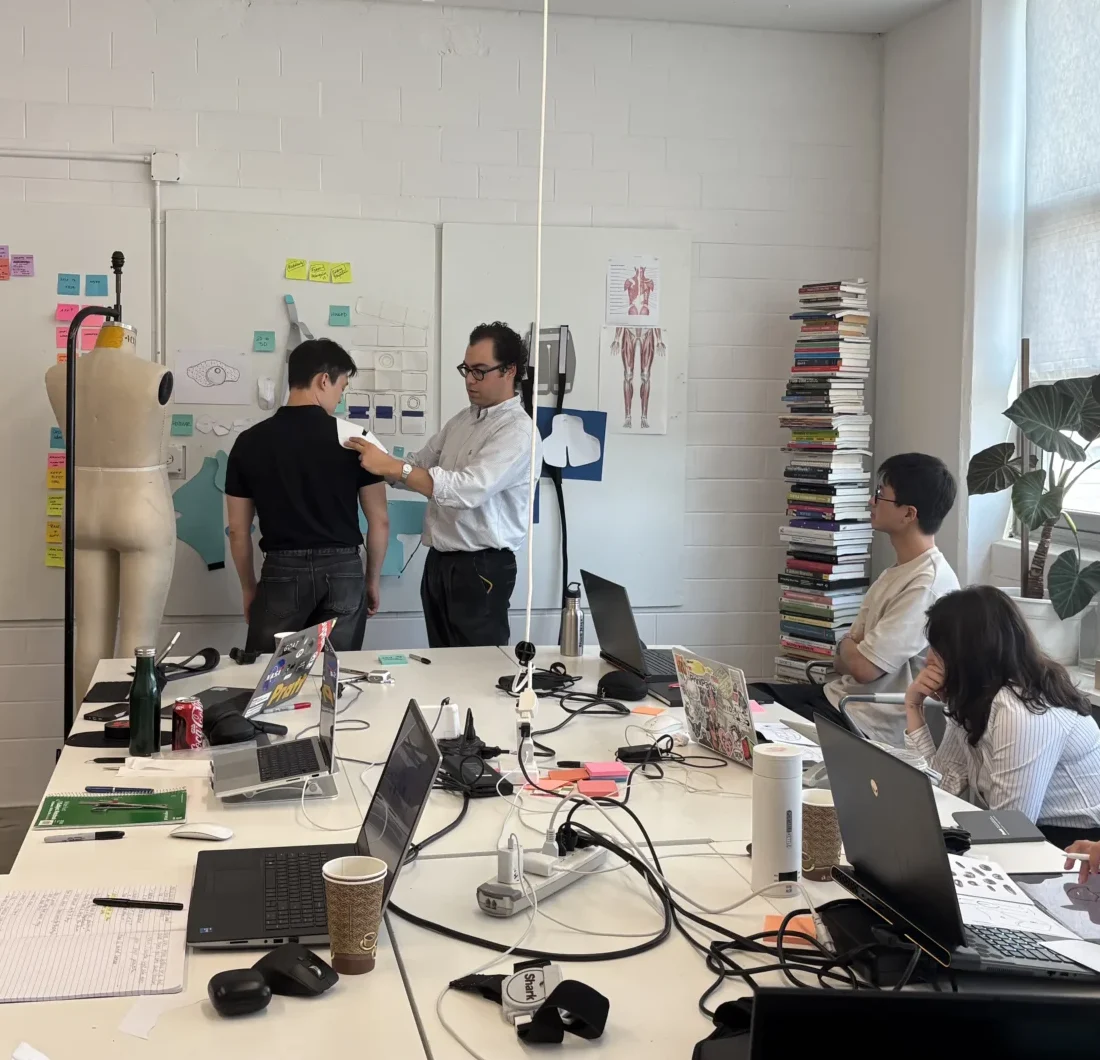
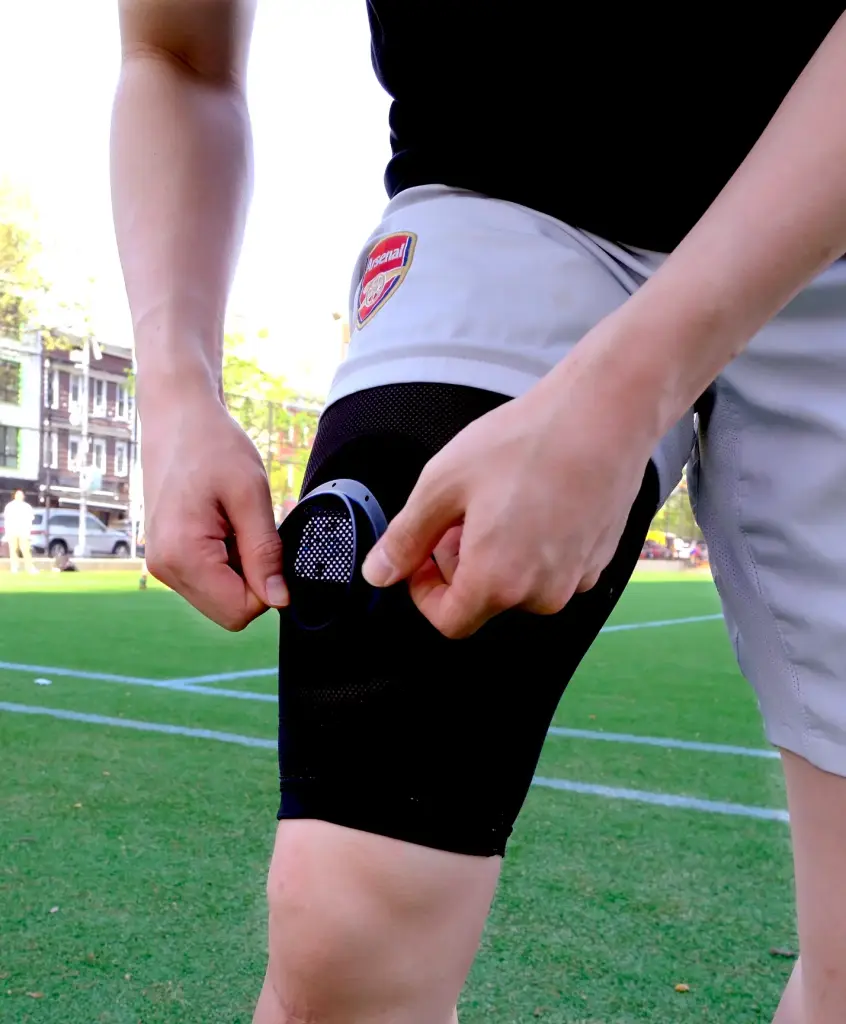
A key part of this research involves ethnographic studies and interviews with the target user community, which allow us to step into the shoes of the users. Through ethnography, we spend time in the real world with the people we’re designing for, understanding their habits, behaviors, and challenges. We did extensive research for our SABER Military Exosuit to understand the key tasks and body positions required of the soldiers who would be wearing the suit. This research was critical to understanding how to create a suit that would move effectively with the user. It’s a deeply immersive way of discovering what truly matters. Later, we’ll use these insights to develop testing protocols for our prototypes, ensuring that the design is not just functional, but also intuitive and user-friendly.

Step 2: Concept Development & Ideation

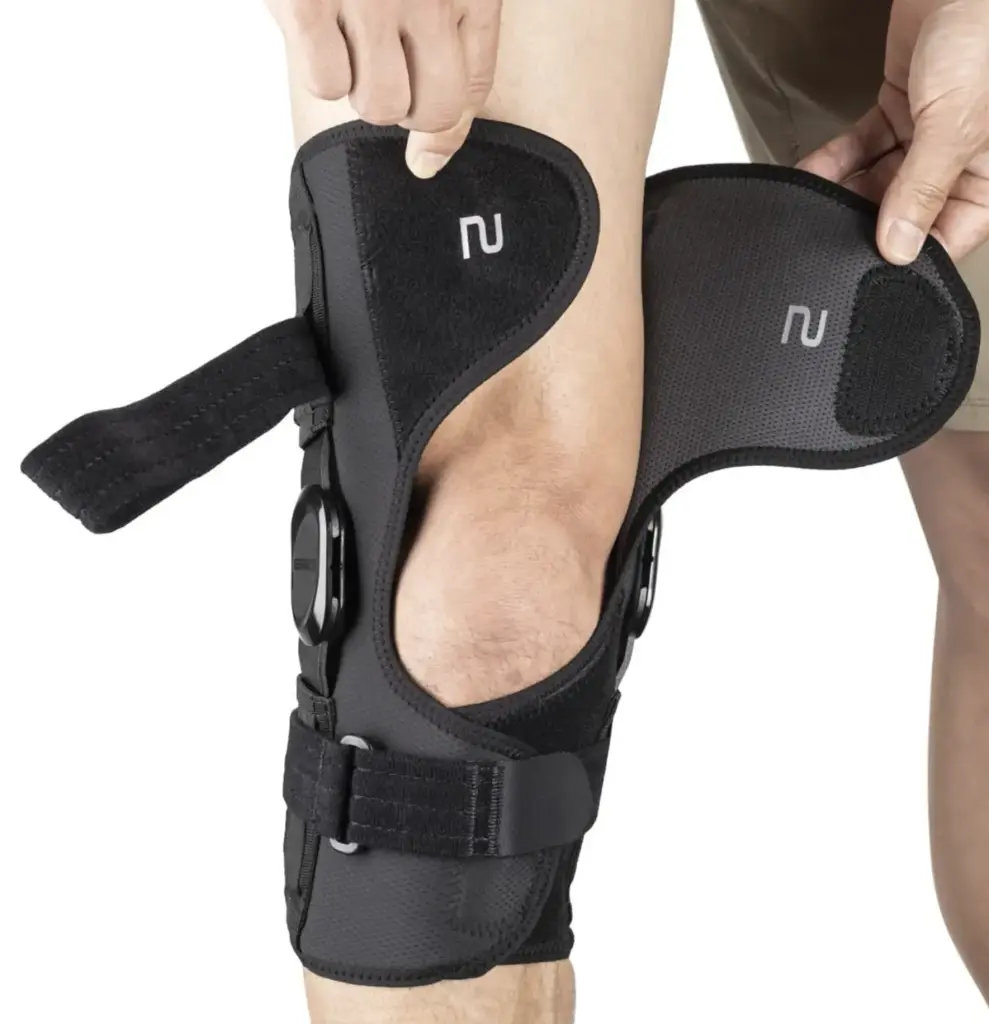
Once we’ve gathered our insights, it’s time to bring ideas to life through concept development and ideation. This stage is where creativity thrives, as designers explore different possibilities for form, function, and aesthetics. Sketching and early visualizations allow us to experiment with various design directions, refining the product’s overall look and feel. The goal is to create something that not only meets user needs but also resonates emotionally, balancing beauty with functionality. Sketching is a big part of every project we do at Interwoven Design, a great example being the Breg CrossRunner Knee Brace. We were open to many strategies for meeting the project requirements, and we sketched dozens of ideas before moving on to the prototyping stage. Every sketch brought us closer to finding the ideal design that would work both in concept and in reality.

Interwoven Sketch and prototype of the Breg Knee Brace
A sketch and prototype for the Breg Knee Brace project by Interwoven Design Group.

To refine our ideas further, we use mood boards, storyboards, and collaborative brainstorming sessions. Mood boards help convey the visual direction, pulling together textures, colors, and inspiration that guide the aesthetic choices. Storyboarding helps illustrate how users will interact with the product in real life, showcasing key moments in the user experience. Throughout this process, we collaborate closely with engineers, material scientists, and stakeholders to ensure feasibility. This interdisciplinary approach ensures the designs are not only innovative but also practical, considering technical limitations, material possibilities, and market needs from the outset. When working on our projects, which often involve collaborating with engineers, we find  that integrating interdisciplinary teamwork from the outset helps refine concepts, making sure we’re not only dreaming big but also designing something that can be successful in the real world.

Step 3: Prototyping & Iteration

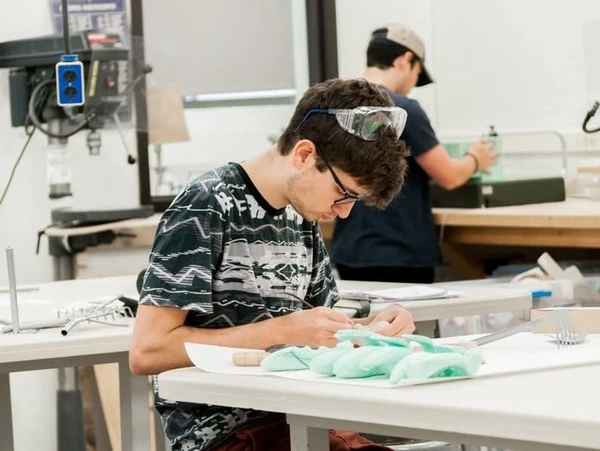
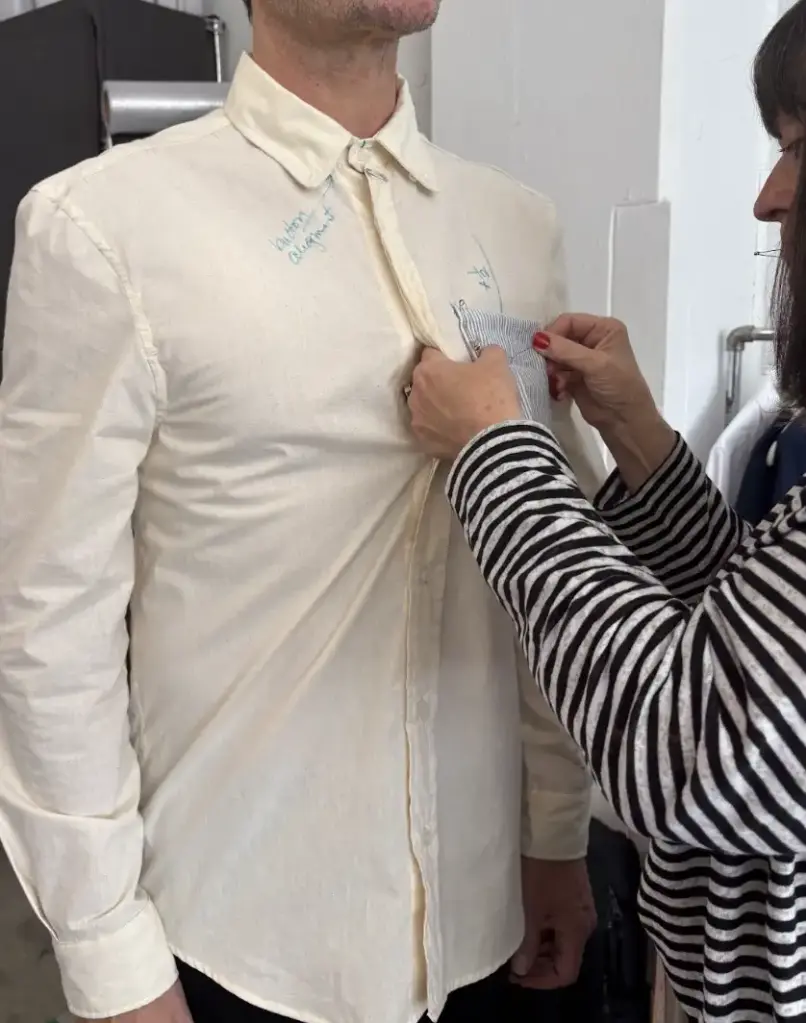
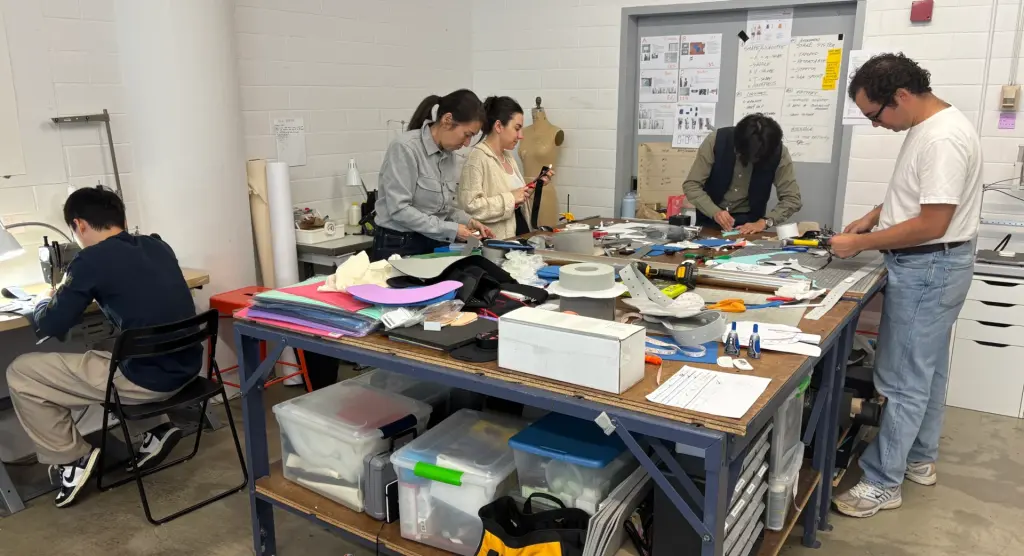
With the initial concepts solidified, the next step is to bring those ideas into the physical world through prototyping and iteration. This is where sketches and ideas begin to take shape in low fidelity mockups, allowing us to visualize proportions, details, and mechanics in a more tangible way. Whether it’s through 3D printing, foam models, or soft goods mockups, these prototypes give us the opportunity to test ideas early on, making it easier to spot potential issues with form or function before committing to more complex production processes. We create dozens—in some cases far more than dozens—of prototypes for every project. The Whitecloud Medical Utility Bag is a great example of this; we created a broad range of soft goods prototypes to experiment with how we could fit a specific set of tools and objects that nurses need at all times. Early prototyping is a crucial stage that allows us to keep iterating quickly and efficiently, staying agile throughout the design journey.

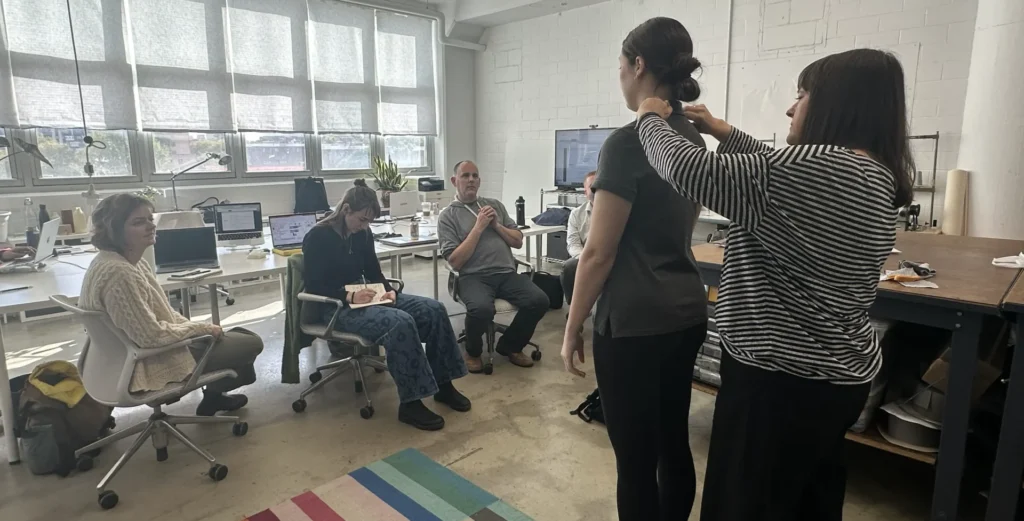
As prototypes are developed, user feedback becomes a vital component of the refinement process. Testing prototypes with real users provides invaluable insights into how the product feels, operates, and resonates in everyday use. Functional assessments help determine whether the design meets its intended purpose, from ease of use to durability. Based on this feedback, the design undergoes continuous refinement, adjusting features, ergonomics, or materials as needed. This iterative cycle ensures that the product evolves to better meet user needs and aligns with both aesthetic and functional goals before moving into the final stages of production.

Step 4: User Testing & Validation

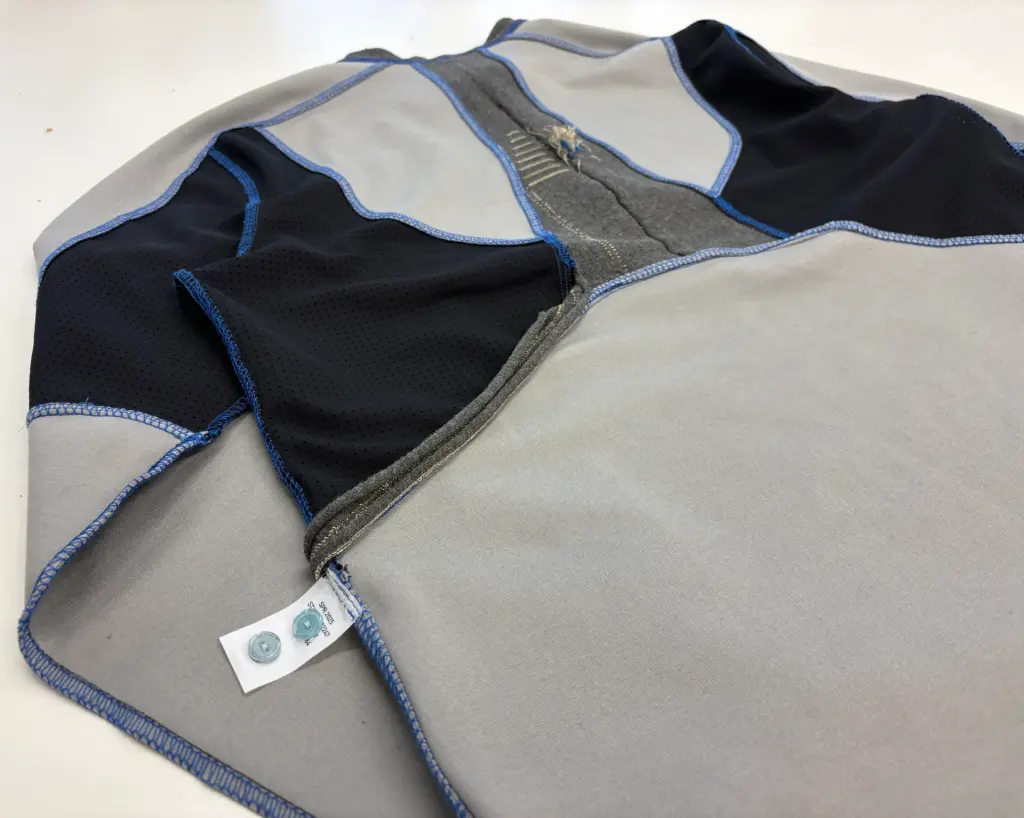
Once the prototype is ready for real-world interaction, the next step is user testing and validation. At Interwoven Design, we consider user testing and validation to be an integral part of prototyping and ideating. User testing is crucial for ensuring that the design not only meets user expectations but also performs seamlessly in everyday use. By testing the product with a target group of users, designers gather valuable feedback on comfort, usability, and overall user experience. This hands-on testing helps identify any areas where the product may need adjustments—whether it’s improving ergonomics, simplifying functionality, or enhancing the user interface. In our Firefly workwear project, we had warehouse workers wear prototypes during their work day to observe the quality and durability of the jacket’s reflective coating. It’s all about making sure the design feels intuitive, comfortable, and effective in real-world scenarios.

Interwoven Firefly workwear jacket
The Firefly workwear garment by Interwoven Design Group.

Alongside user feedback, long-term wearability and durability are evaluated to ensure the product stands up over time. This involves rigorous testing to assess how the product holds up under everyday wear and tear, as well as ensuring it meets regulatory standards for safety and compliance. Based on the data collected, the design is refined to address any issues that arise, ensuring that it not only delights users but is also safe and reliable. This iterative process guarantees that the final product is both functionally sound and compliant, offering an exceptional experience that users can trust and enjoy over time.

Step 5: Technical Design & Sourcing

With a refined concept in hand, the next step is transitioning from idea to a manufacturable product. This phase focuses on engineering the design for production, ensuring that all aspects of the product can be realized efficiently and at scale. In this step, we generate all of the technical documentation to allow the manufacturer to understand every aspect of the design. In our Even Adaptive Lingerie project, we created additional technical design documentation to support the patent application for the custom clasp we designed. 

Material sourcing is also important at this stage. The right materials must be chosen for both their functional properties—such as strength, flexibility, and weight—and their aesthetic qualities. Along with material considerations, wearability testing and durability assessments are conducted to guarantee that the product will stand up to everyday use while maintaining comfort and performance. These evaluations help refine the design, ensuring that it’s not only visually appealing but also reliable and practical in real-world conditions.

Collaborating with suppliers and manufacturers is a key part of this stage. Designers work closely with these partners to optimize production processes, ensuring that the design can be reproduced with consistency and efficiency. This includes refining techniques for assembly, tooling, and quality control, while also exploring opportunities to reduce costs or improve sustainability in the construction or in the manufacturing process. By maintaining an open dialogue with manufacturers and keeping an eye on potential production challenges, we can ensure that the design moves smoothly from the drawing board to the final product, ready for the market. This phase solidifies the design’s viability, ensuring it can be brought to life with precision and quality.

Step 6: Production & Launch

As the product nears completion, the focus shifts to the final stages of production and launch. This phase begins with finalizing manufacturing processes, ensuring that all production methods are optimized for scale and consistency. Quality control measures are put in place to maintain high standards throughout the production run, from material checks to final inspections. The goal is to ensure that each unit meets the exact specifications, preserving the integrity of the design and delivering a product that matches the vision set out at the beginning of the process.

Simultaneously, preparations are made for the product’s mass production, taking care to balance efficiency with design integrity. It’s essential that the product remains true to its initial concept, even as it moves into full-scale manufacturing. While this is happening, the marketing team works to build excitement for the launch, developing a compelling product narrative that connects emotionally with consumers. Product storytelling helps create a connection, communicating not just the features and benefits, but the values and story behind the design. This connection builds consumer trust and generates buzz, ensuring the product’s success in the market from day one.

Bringing it All Together

From the initial spark of inspiration to the final product launch, each stage of the industrial design process plays a critical role in creating wearable technology that not only looks good but works seamlessly in the lives of users. Every step—whether it’s research, prototyping, or technical design—helps shape a product that balances creativity, functionality, and user experience. A thoughtful, well-rounded design approach ensures that the product is not only technologically advanced but also user-friendly, making it easy for customers to integrate it into their daily lives with confidence and excitement.

At Interwoven Design, we believe that the best designs come from collaboration and a shared vision. We invite you to work with us to bring your ideas to life, whether you’re looking to refine an existing concept or develop an entirely new wearable tech solution. With our expert design and product development process, we’re here to guide you through every step, ensuring your product stands out in the market while meeting the highest standards of usability, functionality, and sustainability. Do you have a project you’d like to see come to life? Reach out!

Check out the rest of our Insight series to learn more about the design industry. Sign up for our newsletter and follow us on Instagram and LinkedIn for design news, multi-media recommendations, and to learn more about product design and development!

3 Must-Know Brand Strategy Frameworks for Wearable Technology

3 Must-Know Brand Strategy Frameworks for Wearable Technology

A Guide to Building a Strong, Differentiated Wearable Tech Brand

In the fast-evolving world of wearable technology, having a great product isn’t enough—you need a strong brand strategy to stand out. Whether you’re designing smart textiles, medical wearables, or consumer tech that seamlessly integrates into daily life, your brand is what builds trust, loyalty, and excitement around your innovation. At Interwoven Design, we’ve seen firsthand how the right brand strategy can transform a wearable tech product from a niche idea into a market leader. In this Insight article, we’ll walk you through 3 useful brand strategy frameworks that will help shape a compelling, differentiated brand—one that connects with users, communicates value, and carves out a unique space in this competitive industry. Let’s dive in!

Understanding Brand Strategy for Wearable Tech

Brand strategy is more than just a logo or a catchy tagline—it’s the foundation of how your wearable tech product is perceived, who it resonates with, and why customers choose it over the competition. Unlike other industries, wearable technology sits at the crossroads of fashion, health, and innovation, meaning that a strong brand must balance aesthetics, functionality, and emotional connection.

A great wearable product seamlessly integrates into people’s lives, but a great wearable brand does something more—it builds trust, creates desire, and tells a story that makes people feel like they need it. Whether it’s a fitness tracker, a medical device, or a next-gen smart fabric, how you position your brand can determine whether customers embrace it or overlook it.

In the sections ahead, we’ll break down some of the most powerful brand strategy frameworks that will help you define your brand’s purpose, differentiate it in the market, and create lasting connections with your audience. We like to have a toolkit of options, as we don’t use every framework for every project, we custom build the design process for each challenge. Let’s start with positioning—because knowing where you stand in the market is the first step to making an impact.

Positioning Your Wearable Tech Brand

multi-color post-its on a wall

Before a customer even experiences your product, they experience your brand. Brand positioning is about defining what makes your wearable tech unique and why it matters to your target audience. In a crowded market, positioning helps you stand out—not just as another smart device, but as a brand with a clear purpose and value proposition.

To craft strong positioning, ask yourself:

  • Who is your ideal customer? Are you designing for athletes, healthcare professionals, everyday consumers, or fashion-forward early adopters?
  • What problem does your wearable tech solve? Is it enhancing performance, improving health outcomes, or providing a seamless user experience?
  • How does your brand’s personality and messaging reflect this? Should your tone be clinical and data-driven, sleek and futuristic, or approachable and lifestyle-oriented?

Key Brand Strategy Frameworks for Wearable Tech

Building a strong, recognizable brand in the wearable technology space requires more than just great design and cutting-edge innovation—it demands a strategic foundation that connects with users on a deeper level. To create a brand that resonates, companies must define their purpose, craft a compelling identity, and establish a clear and consistent message. In this section, we’ll explore three essential brand strategy frameworks—Simon Sinek’s Golden Circle, The Archetype Framework, and The Brand Identity Prism—that can help wearable tech brands differentiate themselves, foster loyalty, and create a lasting impact.

1. The Golden Circle

Simon Sinek Golden Circle Brand Strategy Framework
Simon Sinek’s Golden Circle

At the heart of every great brand is a compelling “why.” Simon Sinek’s Golden Circle framework —starting with why, then how, and finally what—popularized by his book Start with Why helps brands connect with customers on a deeper, purpose-driven level. Wearable tech brands that communicate a strong purpose inspire loyalty beyond just product features. For example, WHOOP’s why isn’t just to track biometrics—it’s to empower users with data-driven insights to perform at their best. In contrast, brands that focus solely on what they do, like offering another fitness tracker with heart rate monitoring, often struggle to stand out. By leading with purpose, wearable brands create an emotional connection that turns users into advocates.

2. The Archetype Framework

Brand archetypes, rooted in Carl Jung’s psychological theory, help brands develop strong personalities that resonate with their audiences. When wearable tech brands embrace a clear archetype, their storytelling becomes more cohesive and engaging. For example, Apple’s wearable tech aligns with The Innovator—pushing boundaries and redefining personal technology. Meanwhile, a brand like Fitbit embodies The Caregiver, prioritizing health, well-being, and accessibility. For adventure-driven audiences, Garmin wearables embrace The Explorer, appealing to those who seek rugged, off-the-grid experiences. By choosing the right archetype, wearable brands craft a more humanized identity, making it easier for customers to relate to and trust their products.

3. The Brand Identity Prism

Jean-Noël Kapferer’s Brand Identity Prism

Jean-Noël Kapferer’s Brand Identity Prism provides a structured way to build a strong and consistent brand identity. The framework breaks branding into six key elements: Physique (the tangible product and design), Personality (the brand’s character and tone), Culture (values and beliefs), Relationship (how the brand interacts with users), Reflection (how customers see themselves using the product), and Self-image (the aspirational identity it creates for users). Applied to wearable tech, this framework ensures a holistic brand strategy. Take Oura Ring, for example—its physique is sleek and discreet, its personality is refined and data-driven, its culture emphasizes wellness, and its relationship with users is built on trust in its health insights. By aligning all six elements, brands create a distinctive and cohesive presence in the market, reinforcing long-term loyalty.

Case Studies: Standout Positioning in Wearable Tech

1. WHOOP 

Health & Performance Optimization 

WHOOP has positioned itself as the go-to wearable for serious athletes and health enthusiasts. Unlike mainstream fitness trackers, WHOOP doesn’t have a screen—it’s all about data-driven insights, personalized recovery coaching, and subscription-based access to health analytics. The brand’s positioning is clear: If you’re serious about performance, WHOOP is for you.

2. Oura Ring

Discreet & Stylish Health Tracking

 The Oura Ring takes a different approach, offering an ultra-sleek, screen-free wearable that blends seamlessly into everyday life. By focusing on wellness, sleep tracking, and an elegant, jewelry-like design, Oura appeals to a lifestyle-conscious audience that values aesthetics as much as technology.

3. L’Oréal’s My Skin Track UV

Beauty & Health Awareness

L’Oréal entered the wearable space with a completely different angle—combining skincare with technology. Their My Skin Track UV sensor helps users monitor sun exposure, reinforcing their brand’s commitment to skin health and beauty. This kind of niche positioning allows them to stand out in a tech space dominated by fitness and medical brands.

The key takeaway? Positioning isn’t just about features—it’s about aligning your product with the right audience, telling a compelling story, and ensuring your wearable tech solves a clear, meaningful problem.

Aim for Early Integration

A strong brand strategy shouldn’t be an afterthought—it needs to be embedded into every stage of product development. In wearable technology, where user trust and engagement are critical, aligning brand identity with product design ensures consistency and a seamless customer experience. From the materials chosen to the user interface, every touchpoint should reinforce the brand’s core values. For instance, a company focused on sustainability should integrate eco-friendly materials and transparent sourcing into their wearable products, not just market sustainability as a selling point. Similarly, a brand positioning itself as a leader in precision health should prioritize data accuracy and intuitive user experiences. By integrating brand strategy from the start, wearable tech companies create products that feel authentic, purposeful, and deeply connected to their audience’s needs.

Create Experiences that Resonate

Effective brand strategy is the foundation of a strong, enduring wearable technology brand. Whether leveraging The Golden Circle to define purpose, choosing an archetype to build a relatable personality, or using the Brand Identity Prism to shape perception, these frameworks ensure a cohesive and compelling brand presence. The most successful wearable brands don’t just develop products—they craft experiences that resonate. At Interwoven Design, we specialize in bringing brand strategy and product development together, helping wearable tech companies create meaningful, high-impact innovations. Whether you’re launching a new device or refining an existing brand, our team is here to guide you through every step of the process. Looking to create something extraordinary? Reach out to us to discuss how we can help shape your brand and product vision.

Check out the rest of our Insight series to learn more about the design industry. Sign up for our newsletter and follow us on Instagram and LinkedIn for design news, multi-media recommendations, and to learn more about product design and development!
Wearable Tech in Healthcare: Opportunities and Challenges

Wearable Tech in Healthcare: Opportunities and Challenges

Wearable technology has revolutionized personal health monitoring, empowering individuals to take control of their well-being like never before. From tracking steps to monitoring heart rates and detecting sleep patterns, wearables are becoming an integral part of the healthcare ecosystem. The journey of wearable health technology began with simple pedometers and fitness trackers. Over the years, these devices have evolved into sophisticated tools capable of monitoring health metrics like ECGs [electrocardiograms], blood oxygen levels, and glucose levels. Key milestones include the launch of the Fitbit in 2009, popularizing fitness tracking, the launch of the Apple Watch in 2015, which debuted with integrated health features, and continuous glucose monitors becoming mainstream in the early 2020s. These advancements illustrate the rapid progression of wearable technology and further underscore its potential in the market. The global market for wearable medical devices was valued at $60 billion in 2022 and has been growing steadily. This Insight article explores the opportunities and challenges in wearable health tech, outlines key design considerations for designing in this area, and provides product examples to bring the concepts to life.

Opportunities in Wearable Health Monitoring

doctor holding an iPhone

The rise of wearable health technology is transforming the landscape of personal healthcare, offering users real-time insights that empower them to take charge of their well-being. These devices provide immediate healthcare metrics as well as feedback on those metrics, and play a pivotal role in preventative care, chronic disease management, and personalized health solutions. By integrating with advanced technologies like AI and the Internet of Things (IoT), wearables are changing how individuals monitor their health and engage with healthcare providers, ultimately fostering a more proactive, data-driven approach to wellness.

1. Empowering Individuals with Real-Time Insights – Wearables provide users with immediate feedback on their health, fostering awareness and encouraging healthier habits.

Product Example: Fitbit Charge 6 The Fitbit Charge 5 offers real-time feedback on a user’s health by tracking heart rate, activity levels, and sleep patterns. With built-in features like the Daily Readiness Score and stress management tools, the device empowers individuals to monitor their health continuously and adjust their habits accordingly to improve well-being.

2. Preventative Healthcare – By identifying early warning signs of conditions such as arrhythmias or sleep apnea, wearables can facilitate timely interventions and reduce healthcare costs.

Product Example: Withings ScanWatch The Withings ScanWatch is a hybrid smartwatch that combines traditional timekeeping with advanced health monitoring. It can detect early signs of arrhythmias like atrial fibrillation (AFib) through an ECG feature, as well as monitor blood oxygen levels and sleep apnea. This helps users identify potential health issues before they become critical, enabling timely interventions and preventative care.

3. Chronic Disease Management – Devices like continuous glucose monitors and blood pressure trackers enable patients to manage conditions such as diabetes and hypertension more effectively.

Product Example: Dexcom G6 Continuous Glucose Monitor (CGM) The Dexcom G6 is a continuous glucose monitoring system designed for individuals with diabetes. It provides real-time glucose readings and sends alerts when blood sugar levels are too high or low. This allows users to take immediate action to manage their diabetes more effectively, reducing the risk of complications associated with the condition.

4. Personalized Health Solutions – Wearables’ ability to collect continuous data allows for tailored health recommendations, advancing the concept of precision medicine.

Product Example: Oura Ring The Oura Ring collects a wealth of personal health data, including sleep patterns, physical activity, heart rate variability, and body temperature. It uses this continuous data to provide personalized insights and recommendations, helping users optimize their lifestyle and health habits based on their unique biology and needs, advancing the concept of precision medicine.

5. Integration with AI and IoT – Connected ecosystems, powered by artificial intelligence, allow wearables to sync with other devices and share data with healthcare providers, enhancing diagnosis and care coordination.

Product Example: Apple Watch Series 10 The Apple Watch Series 10 is an excellent example of wearable health technology that integrates AI and IoT. The device tracks a range of health metrics (like heart rate, ECG, blood oxygen levels, and more), and syncs with other devices and apps within the Apple ecosystem. Through machine learning, it provides personalized health insights and allows healthcare providers to access the data for better diagnosis and care coordination.

Challenges in Designing Wearable Health Devices

woman wearing an apple watch

Designing wearable health devices presents a unique set of challenges that require careful consideration of both technical and user-centric factors. From creating a seamless user experience that balances comfort and functionality to ensuring the accuracy, reliability, and security of the data collected, developers must navigate a complex landscape. Additionally, concerns over battery life, data privacy, and regulatory compliance add further layers of complexity to the design process, making it essential for manufacturers to strike a balance between innovation and practicality.

1. User Experience (UX) Design – Wearables must strike a balance between aesthetics, usability, and comfort for long-term wear.

2. Data Accuracy and Reliability – Ensuring consistent, reliable data in varying conditions (e.g., movement, temperature) remains a significant hurdle.

3. Battery Life and Power Efficiency – Extended battery life is important for user satisfaction as well as functionality, requiring careful trade-offs in hardware design.

4. Data Privacy and Security – Protecting sensitive health information from breaches is paramount, especially in connected devices.

5. Regulatory Compliance – Navigating stringent regulations, such as FDA approval, can slow innovation and increase development costs.

Design Considerations for Wearable Health Tech

With these opportunities and challenges in mind, what should we be thinking about as designers approaching a wearable project in the healthcare industry? Well…ideally, a lot. Here are a few of the considerations we prioritize here at Interwoven when designing wearable health devices.

designers collaborating on paper with computers

1. Ergonomics + Comfort – Devices should be comfortable and adaptable to various body types for continuous use and suitability for a broad audience.

2. Materials and Durability – Hypoallergenic and sweat-resistant materials ensure safety and reliability. Sustainable materials also appeal to eco-conscious users.

3. Aesthetics – Designers must create visually appealing devices that seamlessly integrate into users’ lifestyles.

4. Accessibility – Products should cater to diverse demographics, including older adults and individuals with disabilities, ensuring inclusivity.

Take a look at our Breg CrossRunner Soft Knee Brace project or our Whitecloud Medical Utility Bag project to get a sense of how these considerations play out in a real application. Check out our Spotlight interview with medical design consultant Yukiko Naoi to dive deeper into the design process for medical projects. 

Case Study: Apple Watch’s ECG Monitoring

The introduction of the Apple Watch’s electrocardiogram (ECG) feature in 2018 marked a major milestone in wearable health technology. With FDA clearance, the Apple Watch became one of the first consumer devices to offer medical-grade heart health monitoring, allowing users to detect signs of atrial fibrillation (AFib) and other heart conditions. By enabling users to take an ECG with just the touch of their finger on the watch’s digital crown, Apple combined cutting-edge technology with an intuitive, user-friendly interface. This design made it easy for individuals, even those without a medical background, to perform the test and receive immediate results. The seamless integration of this feature into the Apple Watch’s existing ecosystem of health and fitness tracking tools offered users a holistic approach to heart health monitoring, empowering them to stay proactive about their well-being.

The success of the Apple Watch’s ECG feature underscores the importance of regulatory compliance and user-centric design in wearable health tech. FDA clearance not only ensured that the device met high medical standards for accuracy and safety but also established it as a trusted tool for health monitoring. This regulatory approval boosted consumer confidence, positioning the Apple Watch as a legitimate, medically reliable device. By detecting conditions like AFib early, the wearable has the potential to prevent serious health issues, ultimately reducing healthcare costs and improving patient outcomes. As wearable technology continues to evolve, the Apple Watch’s ECG feature serves as a prime example of how innovation, regulatory adherence, and user experience can come together to create a product that positively impacts personal and public health.

The Role of Design

Designers play a pivotal role in the success of wearable tech in healthcare. By prioritizing human-centered design, they can create solutions that are not only functional but also transformative. As wearables continue to evolve, designers must think beyond aesthetics to address usability, inclusivity, and sustainability. Together, these considerations will pave the way for innovations that improve lives and redefine healthcare. Wearable technology represents a unique intersection of design, technology, and healthcare. For design professionals, this field offers immense opportunities to contribute meaningfully while tackling exciting, genuine challenges. The future of wearable health tech is bright—and design is at the core of that potential.

Check out the rest of our Insight series to learn more about the design industry. Sign up for our newsletter and follow us on Instagram and LinkedIn for design news, multi-media recommendations, and to learn more about product design and development!

Design History Series N. 018

Dava Newman and the MIT BioSuit™

In our Design History Series we highlight iconic women in design history and their innovative work. The historic contributions of women to design are many, and we aim to increase the awareness of these contributions in order to counteract a general trend of underrepresentation. In this issue we celebrate Dava Newman, an American aerospace engineer, director of the MIT Media Lab, and former NASA deputy director. Newman was instrumental in designing a spacesuit specifically tailored for female astronauts, addressing long-standing issues of ill-fitting suits for women.

Smart Start

Dava Newman, born in Montana in 1964, developed a deep fascination with space exploration and engineering from a young age. She earned a Bachelor of Science degree in aerospace engineering from the University of Notre Dame in 1986, followed by a Master of Science degree in aerospace engineering from the Massachusetts Institute of Technology (MIT) in 1989 and a Ph.D. in aerospace biomedical engineering in 1992. She’s been a professor of aeronautics and astronautics (the science and construction of space vehicles) at MIT since the 90s and became the director of the prestigious MIT Media Lab in 2021. Impressed yet?

Dava Newman Aerospace Engineer

The MIT BioSuit™

Throughout her career, Newman has been a trailblazer, developing innovative technologies that advance the field of space exploration. One of her most significant contributions is the development of the MIT BioSuit™, a spacesuit concept designed to revolutionize extravehicular activities (EVAs) for astronauts. Unlike traditional bulky spacesuits, the BioSuit™ acts like a second skin, enhancing mobility and reducing fatigue, offering astronauts greater flexibility during space missions. 

In 2019, NASA’s cancellation of the first all-women spacewalk due to ill-fitting spacesuits highlighted a critical issue: the outdated design of spacesuits. NASA’s Extravehicular Mobility Units (EMUs) dated back to 1978, and their maintenance costs limited the availability of suits, particularly in smaller sizes. This poses significant challenges for smaller astronauts, especially women, affecting their mobility and comfort during space missions. Newman recognized the need for innovation in spacesuit technology to address these limitations and was already leading a research team that was tackling them head-on.

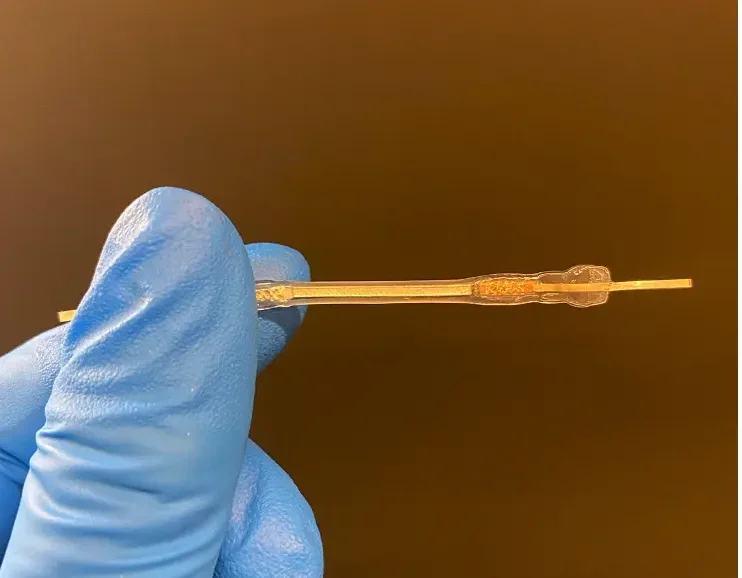
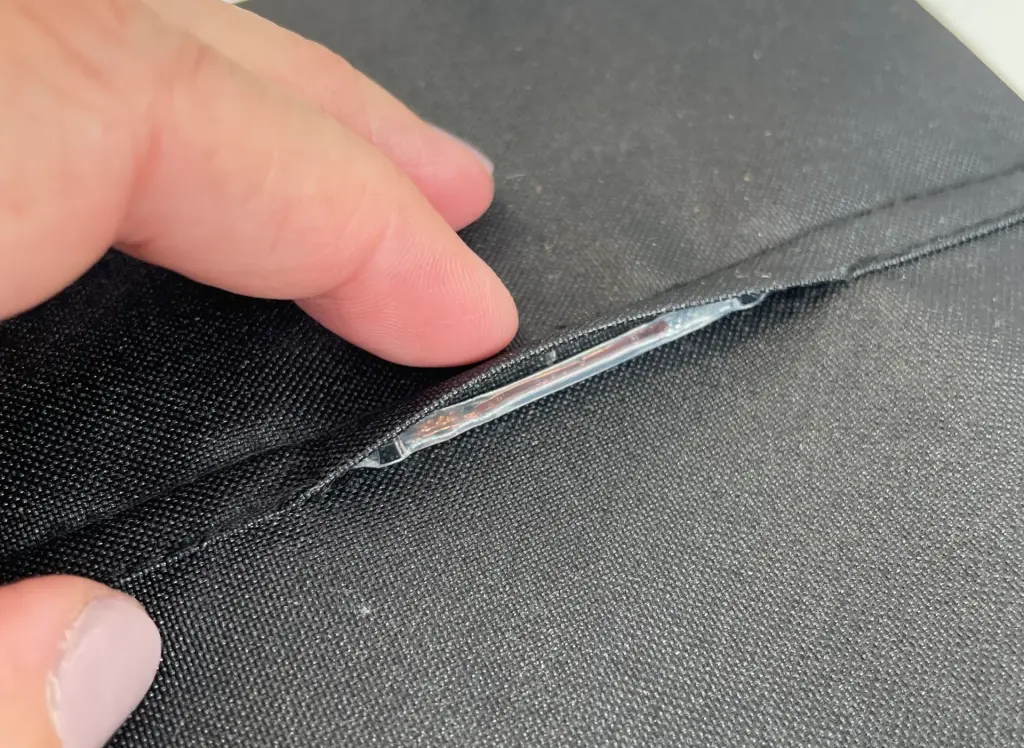
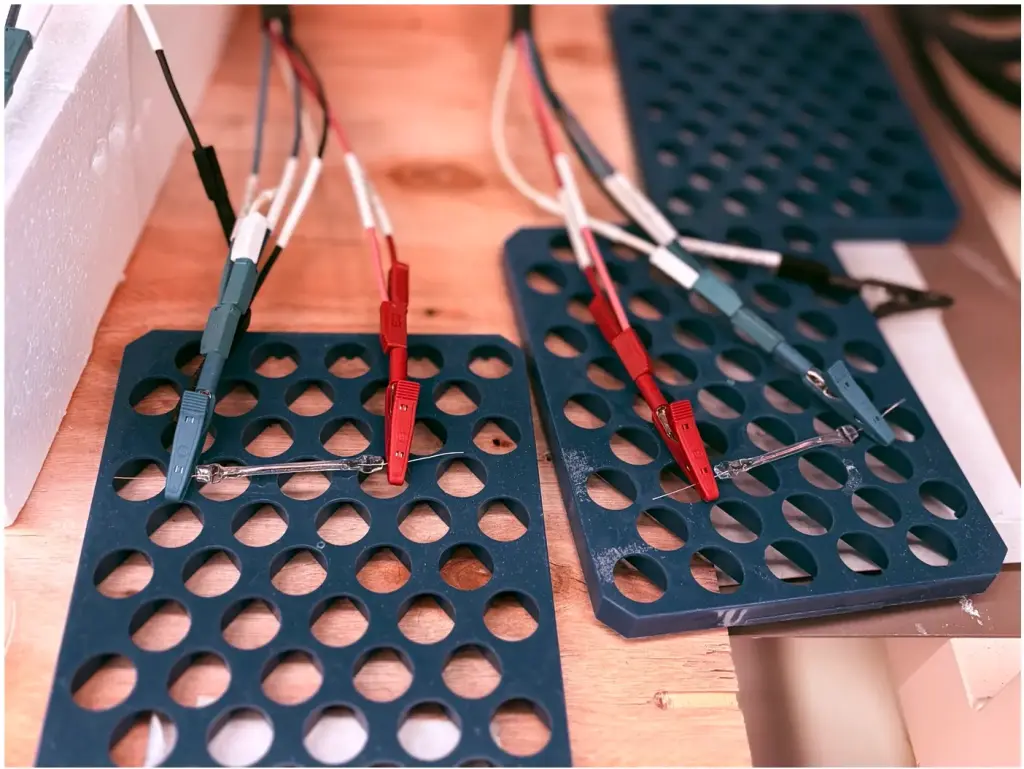
The development of the BioSuit™ represents a collaborative effort involving engineers, designers, textile specialists, and students from various disciplines. By leveraging expertise from diverse fields and incorporating cutting-edge materials and design principles, Newman’s team aims to revolutionize spacesuit technology. The BioSuit™ prototype is a lightweight, stretchy, 3D knit garment that is customized to each astronaut. These “second-skin” spacesuits incorporate small, spring-like coils made from a shape-memory alloy (SMA) that contract in response to heat, essentially shrink-wrapping the garment around the astronaut’s body. Controlling contraction and expansion with heat was a key innovation to solving the problem of how to get in and out of a skintight suit. 

The key breakthrough in the design lies in the application of mechanical counterpressure, which directly applies pressure to the skin, eliminating the need for the traditional gas-pressurized suits. Made from elastic and active fabrics and designed to provide the pressure necessary to inhabit space (equivalent to one-third of sea level atmospheric pressure), the suit achieves the same pressurization as traditional spacesuits while enhancing mobility and reducing the overall weight. This approach supports astronauts in the vacuum of space while providing them with unprecedented freedom of movement during planetary exploration.

Newman’s vision for the future of spacesuits aligns with NASA’s goal of maximizing efficiency and mobility for astronauts on long-duration space missions. The suit has been improving steadily since the early 2000s, incorporating more and increasingly sophisticated technology (an accelerometer, gyroscope, and on-board machine learning algorithms, among others), and has been featured in a wide range of international exhibitions, including the Museum of Modern Art. The latest iteration of the suit was presented at the 2022 Mars conference. Newman’s work represents a significant advancement in spacesuit technology with potential applications for future Mars exploration missions, a particular interest of hers. With continued research and development, these “second-skin” spacesuits could revolutionize space exploration, enabling astronauts to explore distant planets with greater ease and agility. Newman’s life and work exemplify the transformative power of engineering in advancing space exploration and human understanding of the universe.

Sign up for our newsletter and follow us on Instagram and LinkedIn for design news, multi-media recommendations, and to learn more about product design and development!
Insights from the Women in Design Committee

The article “Insights from the Women in Design Committee”, written by Rebeccah Pailes-Friedman, was published in the Winter 2023 Issue of Innovation Magazine.

The Women in Design Committee comprises a rich tapestry of individuals hailing from diverse backgrounds and experiences. Our membership is a dynamic mix of practitioners and academics spanning young professionals and seasoned designers, including entrepreneurs and those employed by large corporations. We proudly represent gender and racial diversity.

We represent five distinct regions across the United States. Marcelle van Beusekom, IDSA, senior designer at Aruliden, represents the Western district. Elham Morshedzadeh, PhD, IDSA, assistant professor at the University of Houston, represents the Southern district. Annie Abell, IDSA, associate professor of practice at Ohio State, represents the Central district. Priyankaa Krishnan, IDSA, design and change manager at Meta represents the Midwest district. I, the founder and principal of the Interwoven Design Group and Professor at Pratt Institute, represent the Northeast district, and Lea Stewart, IDSA, senior manager at Newell Brands, leads the committee.

In this article, the six of us come together to engage in a conversation about our experiences. Our objective is to uncover shared experiences, explore our differences, and, ultimately, convey our collective wisdom, which we are excited to share with you. The following features excerpts from our conversation.

Breaking Barriers 

Entering the field of industrial design can be a challenge, and landing that first job can be a pivotal moment in one’s design career. We all have experiences to share about that transition. My path is rather unconventional. I came from a highly successful corporate career in apparel design, having held design director positions at Nike, Fila, and Champion. However, transitioning to industrial design proved to be exceptionally challenging. After completing my MID, I faced difficulty finding a job. Ultimately, I charted my own course, combining my skills and reimagining myself as an expert in wearable technology and smart textiles. I leveraged my experience, merging it with product design to jumpstart my career as a design consultant.

Setting yourself apart is the key to standing out in a job search. Van Beusekom recalled a disheartening comment she received during an interview for her first internship: “They said, ‘Oh, they still have you design this device in your school?’ It was then that I realized not all schools support students in building a strong, distinctive portfolio. Fortunately, I learned this before graduating and spent a year studying abroad at a different school. This allowed me to create unique and relevant case studies, learn from others, and enhance my foundational skills. A stronger, more distinctive portfolio helped me secure my first full-time role.”

Many of us on the committee had to be creative in our entry into the profession. Morshedzadeh, for instance, did not secure her first job solely due to her design skills. She networked extensively during her undergraduate years, and once she landed the job, continually had to prove her value. “In my position, I had to work diligently to earn the respect of my co-workers, especially as a woman and an immigrant with a different appearance, perspective, and communication style,” she explained.

Abell reflected that “women can encounter various hidden and invisible barriers ingrained in society and workplace cultures.” However, one of the toughest challenges is recognizing that you can also be a barrier to yourself. Imposter syndrome is real. This same sentiment resonated with Krishnan, who faced significant pressure in an orthodox Indian family where the expectation was to become a doctor or engineer, or else face social ridicule. “I applied to over 700 jobs over three years, completing two degrees while struggling to secure employment until I finally received a life-changing offer from a renowned company,” she shared. Perseverance paid off, but the journey was long and arduous.

Navigating the Field

Historically, women have been underrepresented in industrial design, and navigating this landscape has required us to employ various strategies to overcome gender-related obstacles. Van Beusekom initially had a degree of naivety about this issue. Her graduating class was gender-diverse, and it was only after graduation that she realized the industry’s disparities. “I decided to turn the difference into my advantage, lean into my strengths and unique perspective, and have continued to build on those ever since,” she explained.

Abell emphasized the importance of finding your support system, explaining, “Having a support system is critical. Identifying allies in your workplace can be invaluable. Building positive relationships with peers or, even better, those with authority, can greatly assist you when facing various obstacles.”

Morshedzadeh found herself working harder, keeping a lower profile, and being less outspoken, both in her home country of Iran and when she immigrated to the U.S. She experienced discrimination as the norm. Krishnan also encountered discrimination, particularly when expressing her dream of working for IDEO while pursuing her master’s degree. Two male professors discouraged her, saying, “Women designers from the Midwest do not get jobs at IDEO and Silicon Valley.” However, she ultimately succeeded in landing a coveted job in Silicon Valley.

Krishnan’s advice to aspiring designers, especially young women entering the industry, is to “never let anyone discourage you from pursuing your dream. Keep pushing towards success.” Morshedzadeh stresses her advocacy for designers, especially her students, by helping them find their unique voice in design, igniting a deeper drive for their future, and empowering them.

Aspiring designers should be aware that there are various paths to success within the field of design and product development, spanning industrial design, user experience, product management, and more. Van Beusekom suggests, “My advice is to get started, whether at a consultancy or a company. Rather than trying to define success up front, I have often found it more valuable to try something new, learn from the people around me, and reflect on the role, team, or environment I enjoyed the most. Following your joy and keeping it at the forefront is the most motivational way to move forward.”

Balancing Act

We are all well aware that balancing a career, personal life, and family commitments can be particularly challenging for women in male-dominated design offices. In such settings, women often find themselves navigating a work culture that may not fully understand or appreciate their unique life commitments and responsibilities.

One significant challenge stems from the differing life commitments and home responsibilities between men and women, which often go unnoticed or unacknowledged. Women in these environments may fear that taking time off or requesting flexibility to fulfill their home responsibilities could make them appear less committed to the team. The pressure to conform to the perceived standard of putting work first can be overwhelming.

Conversely, some women may worry about putting too much into work at the expense of their personal lives. The fear of losing the balance between work and life is a genuine concern, as it can lead to burnout and negatively impact well-being. In this context, it’s important to acknowledge that working at a large company can have benefits, including established leave policies that provide a sense of security. However, smaller companies can also be suitable places for women to work, as they may provide more opportunities to create flexible schedules, customized flexibility plans that cater specifically to individual needs.

I have embraced a flexible working schedule for Interwoven Design that allows designers to pursue other interests. About five years ago, I established a four-day workweek. We are all in the office Monday through Thursday and off on Friday, which we call Flexible Fridays. People in the office have this time to pursue outside interests, teach classes, play and coach sports, and have room in their schedule for life. Our productivity has not decreased, and everyone is happier to be at work when they are in the office.
Abell has found balance in her life and success in her career as an academic. She explained, “Working in academia gives me a very flexible schedule, and I have the freedom to schedule or tend to life matters anytime I’m not in class or in a meeting.” She also maintains healthy boundaries with work, particularly email, by turning off notifications to avoid constant distractions.

Defining Success

Success in the field of design takes on various forms, and many of us grapple with defining what success means while striving to achieve a fulfilling work-life balance. Achieving equilibrium between your design career, personal life, and family commitments is a continuous journey that necessitates self-awareness and adaptability. It’s about feeling empowered to allocate your time and effort according to your priorities, rather than comparing yourself to others.

Stewart shared her evolving perspective on success throughout her journey. Initially, success was tied to personal growth through learning and project completion. As she progressed and assumed leadership roles, her definition of success transformed. She explained, “Early on, success meant acquiring skills and accomplishing design projects. Yet, as I became a mentor and manager, I found deeper fulfillment in fostering the growth and achievements of my team members. Witnessing their development and career progression became a significant measure of my success.” While project completion remains important, it’s now seen as a collective effort tied to team growth. Success has shifted from an individual pursuit to a shared journey. Today, her greatest satisfaction lies in empowering fellow designers, supporting their goals, and contributing to their success.

Van Beusekom’s view of success has also evolved over time. She initially measured success by the ability to bring exceptional products to the market and earn design awards. However, her perspective on success and successful design broadened as she gained a deeper understanding of what makes a product truly great, qualities such as desirability, attractiveness, delightfulness, meaningfulness, responsibility, impact, and differentiation. She continues to refine this perspective as she grows as a designer and creative leader.

In conclusion, I want to express my heartfelt thanks to the dedicated members of the Women in Design Committee. Their unwavering commitment, honesty, and openness have been the driving force behind this insightful discussion. Our committee is a tapestry of diverse individuals, representing a broad spectrum of experiences, from different regions of the United States, backgrounds, and design roles. Through this article, we came together to share our personal journeys, challenges, and wisdom.

Our experiences have revealed the evolving definition of success, the significance of support networks, and the importance of flexibility in our professional and personal lives. We believe that our stories will inspire and empower others in the design community, particularly those facing similar challenges. I extend my warmest thanks to each member for their contributions, and we eagerly anticipate sharing more of our collective insights in the future. Together, we are forging a path toward a more inclusive and diverse design world.

Looking for more design InsightsSign up for our newsletter and follow us on Instagram and LinkedIn for design news, multi-media recommendations, and to learn more about product design and development!